
Independent referral hub · Provider availability varies by location
    Branch 2 · Crime Scene & Trauma Cleanup

    For homes, workplaces, vehicles, rentals, and public properties after response

    Accident Trauma CleanupA practical guide

    An accident can leave blood, bodily fluids, damaged contents, or contaminated surfaces after emergency responders finish. This guide helps property owners, managers, families, and facility teams separate emergency response from cleanup referral and prepare useful details about access, contamination, control, reopening, and documentation.

    Call (786) 628-8505

    We are paid a referral fee for qualified calls. You do not pay us for the call.

    Read the guide

    A phone call is an inquiry, not a booking or guarantee of a response, referral, or service. Any independent provider involved confirms its own availability, scope, pricing, timing, credentials, permits, and applicable requirements directly.

    After emergency response

    Cleanup planning starts after the emergency is under control, the scene is released, and access is authorized.

    Visual reference

    Understand the setting without graphic detail.

    These images are illustrative guide references, not a provider facility or customer scene.

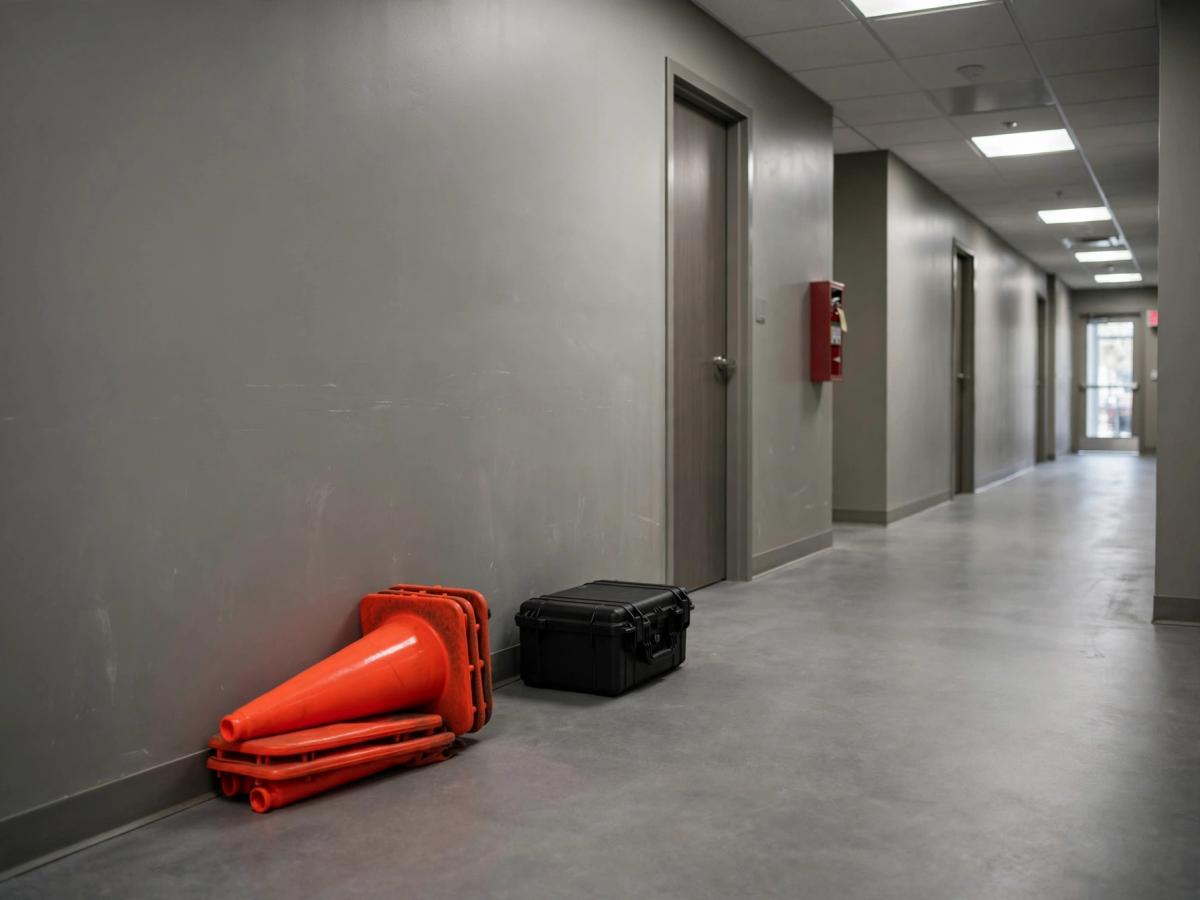
    Cleared residential or workplace corridor with folded safety cones and a closed equipment case.
    A cleared corridor with folded safety cones and a closed equipment case. Illustrative guide image, not a provider facility or customer scene.
    Quiet sunlit residential interior with an open hallway and no scene markers or graphic content.
    A quiet residential hallway after a contained incident. Illustrative guide image, not a provider facility or customer scene.
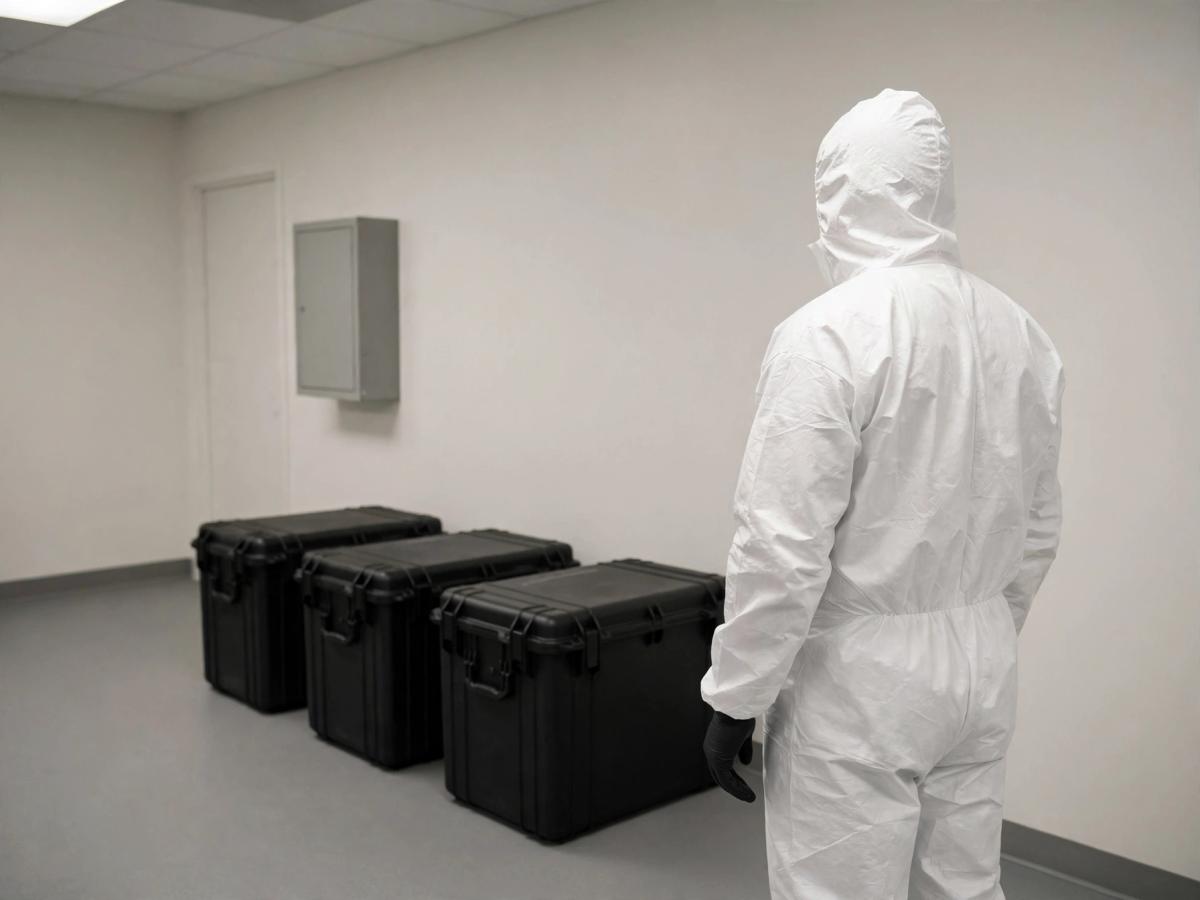
    Professional in plain protective coveralls standing beside closed equipment cases in a clean room.
    Protective equipment staged in a clean room. Illustrative guide image, not a provider facility or customer scene.

    Start here

    When accident trauma cleanup may be needed

    Accidents in residences, workplaces, vehicles, rentals, schools, retail spaces, public areas, and facilities can affect floors, upholstery, walls, equipment, contents, or waste. A provider may need to assess the material and property before describing what can be cleaned, removed, or restored.

    The person who calls may be a homeowner, tenant, manager, employer, vehicle owner, landlord, or another authorized contact. Access, property control, customer or employee communication, business reopening, and documentation can matter as much as the visible contamination.

    Biohazard Cleanup Connect is a referral hub, not an emergency responder or cleanup contractor. Call 911 for active danger, medical need, fire, violence, or a scene that has not been controlled.

    Use the details you know

    Separate emergency response from cleanup planning

    A provider can work from a safe description after the emergency response and official restrictions end. Do not inspect the scene yourself.

    Separate emergency response from cleanup planning
    SituationWhat a provider may clarify
    An injured person, active hazard, or uncontrolled scene remainsCall 911 and follow emergency instructions. Cleanup referral comes after medical and scene response, not instead of it.
    A released home, workplace, rental, or public area has contaminationAffected surfaces, contents, access, property control, occupants or customers, containment, cleaning, disinfection, disposal, and restoration.
    A vehicle or equipment area is affectedVehicle or equipment type, owner authorization, access, upholstery or porous materials, sharps, odor, and whether a specialty or restoration service is separate.
    A business or facility needs to plan reopeningWho controls the area, what work summary or documentation is provided, which authority decides reopening, and what remains outside cleanup scope.
    The owner is considering insurance or a property claimWhether the provider supplies an itemized scope, estimate, work summary, or disposal record, without promising coverage or reimbursement.

    Before you call

    What to know before a provider conversation

    Let emergency responders and the responsible authority control the event first. A safe, short description is more useful than a hands-on inspection.

    • Call 911 for an active emergency, medical need, fire, violence, structural risk, or uncontrolled hazardous situation.
    • Follow first-responder, law-enforcement, workplace, property, or facility instructions about release and access.
    • Do not wipe, sweep, vacuum, move damaged contents, or pick up possible sharps before the area is assessed.
    • From a safe position, note the property or vehicle type, accident location, affected area, access, occupants, and authorized contact.
    • Keep customers, employees, tenants, children, pets, and visitors away until the responsible authority allows access.

    Provider conversation

    Questions for an accident cleanup provider

    An independent provider may offer cleanup, disposal, odor, or restoration coordination, but the boundaries should be written before work starts.

    • Confirm scene release, property or vehicle authorization, access, affected areas, and who can approve the work.
    • Ask how the provider assesses blood or bodily fluids, porous materials, damaged contents, sharps, and hidden contamination.
    • Review containment, cleaning, disinfection, removal, disposal, odor work, and separate structural or vehicle restoration.
    • Discuss occupants, staff, customers, tenants, pets, privacy, work hours, closures, and reopening communication.
    • Ask what work summary, itemized scope, disposal record, or other documentation is available.
    • Confirm credentials, pricing, timing, methods, coverage, and limitations before authorizing work.
    Referral process

    How an accident cleanup referral works

    A phone inquiry is not a booking or guarantee of a response, provider, or service. Any independent provider confirms whether the property, location, and requested scope fit.

    1. 1

      Prepare post-response details for a call

      If you choose to call after emergency response, describe only safe general facts: ZIP code, property or vehicle type, scene release, accident area, affected materials, and who can authorize access.

    2. 2

      A provider reviews the scope

      An independent provider may ask about contamination, surfaces, contents, sharps, disposal, restoration, privacy, reopening, and records.

    3. 3

      Review the plan before authorizing

      The provider confirms its own scope, pricing, timing, credentials, methods, documentation, and limitations before work begins.

    Questions people ask

    Practical questions before you call

    Can I request cleanup while emergency responders are still there?

    Once emergency response is complete and the scene is controlled and released, an authorized person may call to ask about cleanup options. Do not interfere with emergency response or enter the area. Work begins only after access is authorized.

    Does accident trauma cleanup include vehicles?

    Some providers handle vehicles, while others focus on buildings or facilities. Share the vehicle type, affected materials, access, owner authorization, and whether restoration or disposal is also needed.

    What if a business needs to reopen?

    Ask the provider what work summary or documentation it supplies and which cleaning, disinfection, restoration, or disposal tasks are included. Reopening decisions belong to the responsible property, workplace, or public authority.

    What if the accident involved a sharp?

    Do not touch, sweep, vacuum, or move it. Keep access limited, tell the provider that a sharp may be present, and follow emergency or authority direction if anyone was exposed.

    Can insurance pay for accident cleanup?

    Coverage depends on the policy, event, property, and insurer. Ask the provider whether it offers an itemized scope or records you can share, but confirm coverage directly with the insurer.

    Does Biohazard Cleanup Connect perform accident cleanup?

    No. Biohazard Cleanup Connect is an independent referral hub. Any independent provider involved confirms its own scope, pricing, timing, credentials, methods, records, and limitations.

    Phone inquiry

    Call to ask about a possible provider connection.

    Biohazard Cleanup Connect is an independent information and referral hub, not a cleanup contractor. A call is an inquiry, not a booking or guarantee of a response, referral, or service.

    • If you choose to call, share only safe, general details you already know. Do not inspect or handle material to prepare.
    • Independent providers confirm their own availability, work scope, pricing, timing, credentials, permits, and records directly.
    • This number is not for emergencies. Call 911 for active danger or a medical emergency.
    Call (786) 628-8505

    We are paid a referral fee for qualified calls. You do not pay us for the call.