Does a hospice death at home need professional cleaning?
Usually not, if there's no blood or body fluid exposure. Ordinary household cleaning is typically enough once the family is ready. Follow any instructions from the hospice or care team.

A death at home, expected or sudden, raises a practical question most families have never had to think about: does the home need professional cleaning, or can we manage it ourselves? This guide covers a hospice death at home, a death discovered quickly, and a death that went unnoticed for longer. It explains when a professional may be needed, what not to touch, and who can confirm the scope.
Call (786) 628-8505 to talk through your situation. Your call is forwarded through our referral partner to a call center, available 24/7. The call center asks for the ZIP code where you need the cleanup and connects you to a biohazard cleanup company that serves that area. We are a referral service, not a cleanup company. Calls may be recorded. If anyone is in danger or hurt, call 911 first.
Call (786) 628-8505We are paid a referral fee for qualified calls. You do not pay us for the call.
Service depends on your ZIP code; in some areas we may not be able to connect you.
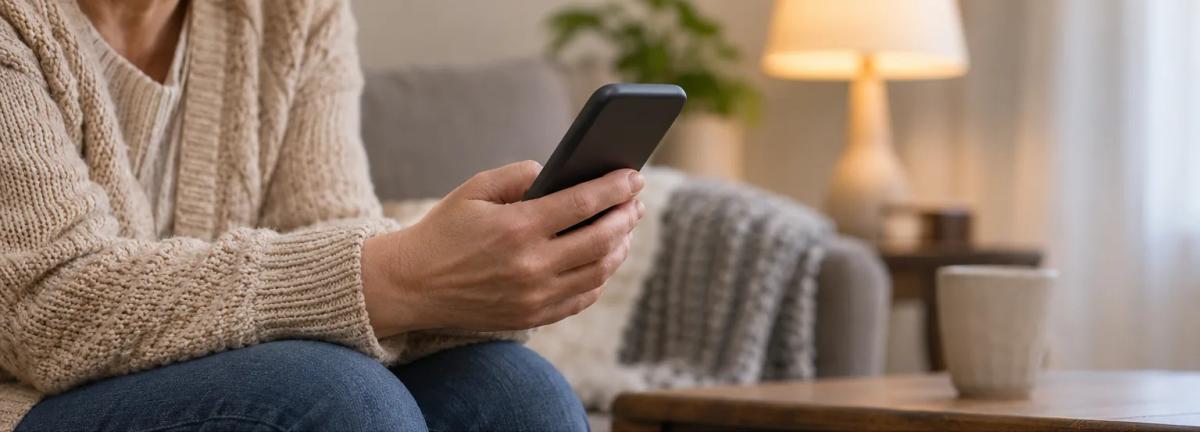
Death cleanup, sometimes searched as post death cleanup or cleaning after a death, covers any cleaning needed in a home after someone dies there. That can range from ordinary household tasks to specialized work. An attended death cleanup, where a hospice patient or someone under medical care passes with family or caregivers present, may need little more than laundering linens, wiping surfaces and airing out a room.
A sudden death at home, or one where the person wasn't found right away, can involve blood, other body fluids or the effects of decomposition. Those circumstances may call for a trained provider rather than routine housekeeping. The situation and materials, rather than the name given to the death, determine what needs to be done.
The answer depends on what's actually in the space. These patterns can help you decide where to start:
Usually no specialist is needed. After a hospice or in-care death with no blood or body fluid exposure on flooring, furniture or bedding, normal household cleaning and standard supplies are typically enough once the family is ready. Follow any instructions from the care team.
A specialist is usually the right call. Blood or other body fluids on porous materials such as carpet, upholstery or unfinished subfloor, a delayed discovery, or signs of decomposition can require an assessment and specialized handling. Lingering odor can also be a reason to ask for an assessment; odor alone does not establish a biohazard.
When in doubt, ask. A call may connect you with an independent provider who can explain what they would look for and whether an in-person assessment makes sense.
Several factors shape the scope. How long the person was there before being found matters: a quick discovery on hard flooring in a well-ventilated room can be very different from a discovery days later in a carpeted room. Fluids may reach beneath flooring, and odors can travel through air pathways or affect soft furnishings. A provider can assess whether the HVAC system or adjacent spaces need attention; neither should be assumed affected.
Climate and season play a role: decomposition can progress faster in warm, humid conditions, including those common in Florida. Sealed surfaces are generally easier to clean than porous materials that absorb fluids. In a multi-story home or apartment, material may also reach areas between floors or units. Families do not need to diagnose any of this themselves. A trained provider can assess what is accessible and explain what a walkthrough can establish.
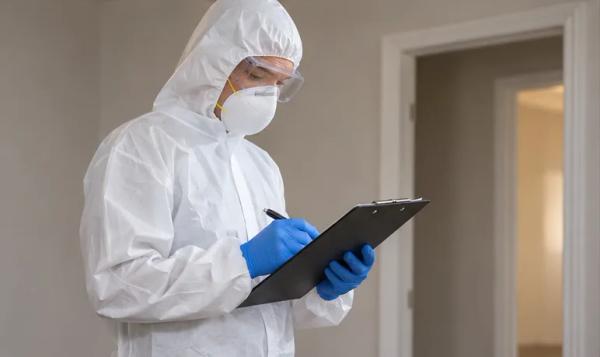
For covered occupational exposure to human blood or defined other potentially infectious material, OSHA's Bloodborne Pathogens Standard, 29 CFR 1910.1030, sets workplace protections. It does not apply to every type of cleaning. Waste rules also depend on the material, activity and location; not every affected item is regulated biomedical waste.
In Florida, Chapter 64E-16 of the Florida Administrative Code addresses biomedical waste. Generator permits and transporter registrations are separate, and exceptions can apply. Ask who will handle any regulated waste and how the provider meets the requirements for that work. Outside Florida, state and local rules differ.
Ask what disinfectants are appropriate for the surfaces and situation. The EPA lists registered products with claims against common bloodborne pathogens; product labels set out their uses and directions. A clear explanation of the proposed method can help you judge the scope. As a referral service, we do not check the companies your call reaches.
If blood, body fluid or visible biological material is present, don't touch, move or attempt to clean it. Biological material can carry pathogens, and handling it without suitable protection and disinfection can create a health risk. Depending on the circumstances, law enforcement or the medical examiner may also need the area left undisturbed until their process is complete.
Leave bedding, clothing and furniture that may have contacted the affected area alone until a provider or the appropriate authority has had a chance to assess them. Avoid throwing items out or laundering them right away. The CDC notes that hepatitis B virus can remain infectious on surfaces for at least seven days. Conditions and pathogens differ, but this illustrates why unprotected handling carries a real risk.
Keep children, visitors and pets away from an unsafe area. You can describe what you already know from a safe place without going back in, inspecting belongings or taking photographs.

Biohazard Cleanup Connect does not perform cleanup. We are a referral service that may connect families with an independent local provider of death cleanup services. The provider assesses the space, determines what work is involved and quotes the job. An initial discussion may be by phone, followed by an in-person walkthrough when appropriate.
Ask the provider to explain what needs specialized handling and what is routine cleaning. Request a written scope and estimate before authorizing work, including which rooms, materials and belongings are covered. Discuss whether disposal, odor treatment, repairs and restoration are included or separate, what could change the price, and who must approve changes.
Confirm credentials, insurance, pricing, timing and limitations directly. In Florida, ask about the applicable Department of Health biomedical waste generator permit and the transporter registration for whoever transports the waste. These are different requirements, and exceptions may apply. The Florida DOH provider list is a starting point, not an endorsement of cleanup procedures. Confirm current status and applicable requirements with the department. Outside Florida, ask for proof of insurance and applicable credentials as well as a written estimate.
If anyone is in danger or there's a medical emergency, call 911 first. If law enforcement or another responsible authority has restricted the area, cleanup can begin only after that authority releases it and access is authorized. A medical examiner's release of the person is not the same as the property being cleared for cleanup. Confirm both before anyone enters a restricted area to work.
In other situations, establish who can grant access and authorize the work. You can make an inquiry while waiting for access, without disturbing the area. If the death may have involved suicide and someone needs support with a suicidal or mental health crisis, call or text 988 to reach the 988 Suicide and Crisis Lifeline, available around the clock.
A call to (786) 628-8505 is forwarded through our referral partner to a call center. The center asks for the ZIP code where cleanup is needed and may connect the call to an independent biohazard cleanup company serving that area. The call center is available 24/7 and does not perform cleanup. Calls may be recorded.
This is an inquiry, not a booking or guarantee of service. Coverage depends on ZIP code, and in some areas a connection may not be available. The provider confirms its own availability, scope, credentials, timing and price. You can share what you know safely and ask your questions directly. Read how the referral process works.
This guide is a starting point. Explore more specific questions about delayed discovery, affected materials and odor.
Usually not, if there's no blood or body fluid exposure. Ordinary household cleaning is typically enough once the family is ready. Follow any instructions from the hospice or care team.
Death cleanup is the broader term for cleaning needed after a death at home. Biohazard cleanup refers to specialized handling of biological material that may pose an infection risk. It can be one part of death cleanup, depending on the situation and materials involved.
That depends on the provider and the circumstances. Some homeowners insurance policies cover biohazard cleanup under certain conditions. Confirm coverage directly with the insurer and ask the provider what documentation it can supply for a claim.
If there's no blood or body fluid involved, that's a personal decision. If there is, consult a trained provider about the material and scope. Some evidence or materials may also need to stay undisturbed until the responsible authority has finished its process.
There's no fixed deadline, but sooner can help limit how far fluids or odor spread, especially through porous materials. If an authority has restricted the scene, cleanup must wait until that authority releases the area and access is authorized, even if that means waiting a day or more.
It depends on the property and the lease. In a rental, the landlord or property manager may authorize and arrange cleanup for common areas or the unit itself. A family member may need to wait for permission to remove personal belongings. Confirm who can authorize the work before a provider begins.
Call (786) 628-8505 to talk through your situation. Your call is forwarded through our referral partner to a call center, available 24/7. The call center asks for the ZIP code where you need the cleanup and connects you to a biohazard cleanup company that serves that area. We are a referral service, not a cleanup company. Calls may be recorded. If anyone is in danger or hurt, call 911 first.
Call (786) 628-8505We are paid a referral fee for qualified calls. You do not pay us for the call.
Service depends on your ZIP code; in some areas we may not be able to connect you.