
Biohazard Cleanup: What It Is and Who to Call
Biohazard cleanup, also called biohazard remediation, is the professional removal of biological material that may carry infection risks, followed by cleaning and disinfection of affected areas.
Call (786) 628-8505 to talk through your situation. Your call is forwarded through our referral partner to a call center, available 24/7. The call center asks for the ZIP code where you need the cleanup and connects you to a biohazard cleanup company that serves that area. We are a referral service, not a cleanup company. Calls may be recorded. If anyone is in danger or hurt, call 911 first.
We are paid a referral fee for qualified calls. You do not pay us for the call.
Service depends on your ZIP code; in some areas we may not be able to connect you.
We do not check the companies your call reaches. Ask the provider about its credentials, insurance and written estimate. Read our affiliate disclosure.
What is considered a biohazard cleanup?
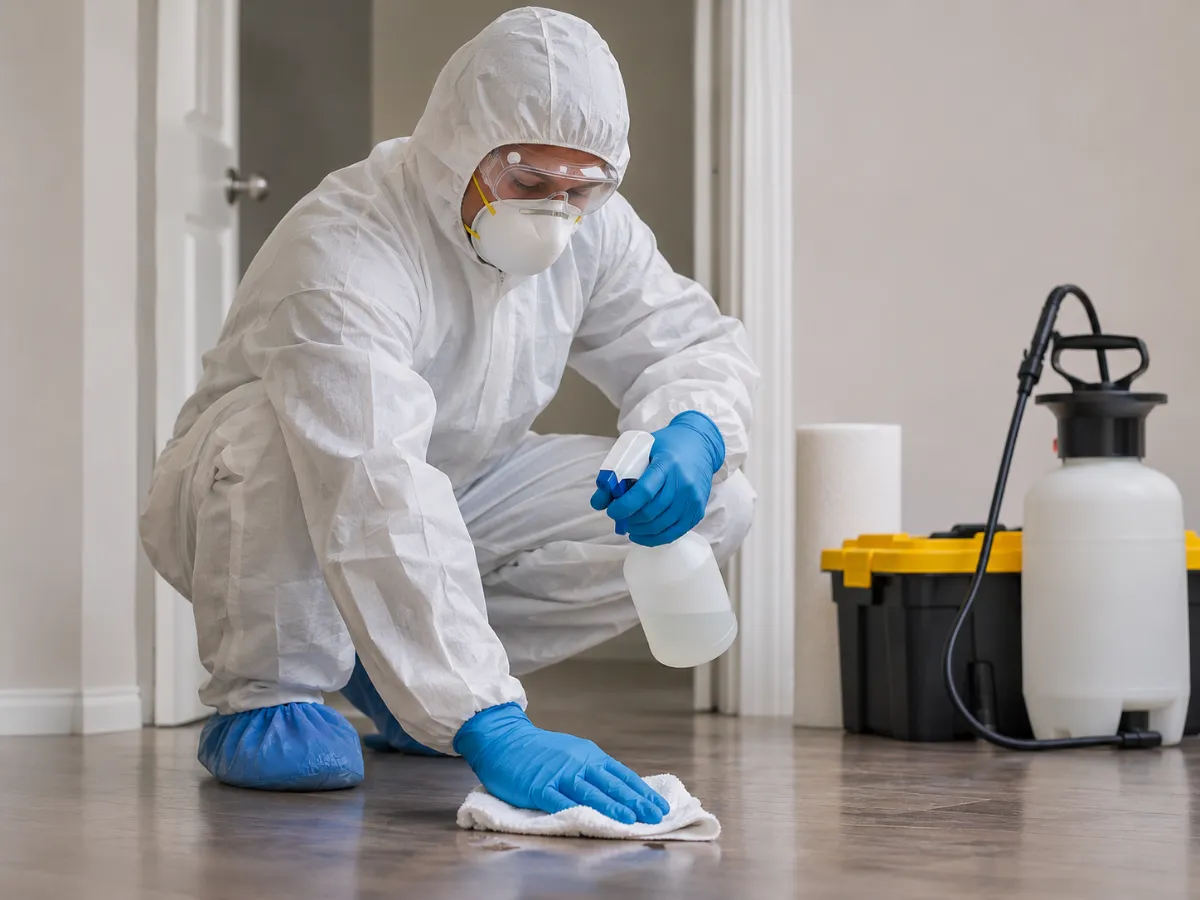
It can involve blood, certain bodily fluids, human or animal waste, decomposition material, and contaminated objects. A cleanup may be needed after an unattended death, crime, suicide, serious accident, or another incident involving biological contamination. The scope depends on what is present and where it has spread.
Other situations can also raise concerns: a property with accumulated animal waste, a rental with discarded sharps, a workplace exposure, or sewage in a living space. These situations do not all involve the same organisms or fall under the same waste rules. Do not touch, sort, or move material to identify it. Tell a provider what you safely know and ask whether it handles that situation.
For covered occupational exposure to human blood or other potentially infectious materials, OSHA's Bloodborne Pathogens Standard, 29 CFR 1910.1030, sets workplace protections. It is not a blanket rule for every biological, sewage, or chemical incident. State and local rules may also govern particular waste and activities. Source checked November 3, 2026.
What makes this different from regular cleaning?
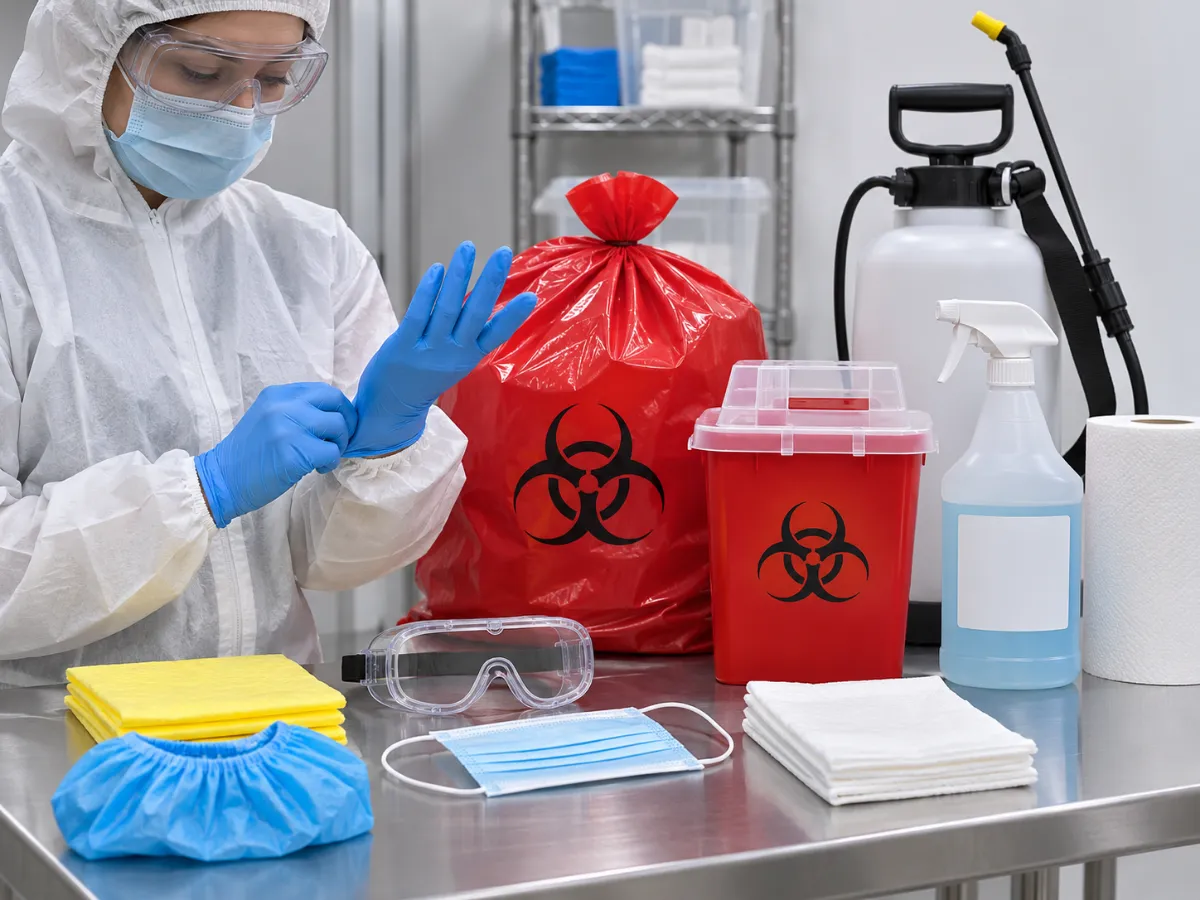
Biohazard cleanup may require a provider to assess the affected area, limit access or contain the work area, remove affected materials, clean and disinfect surfaces, and address odor where needed. Whether items can be cleaned or need removal depends on the material, exposure, and provider's assessment. Ask for the proposed scope before approving work.
Some waste from a job may be regulated medical or biomedical waste. Applicable rules depend on the material, how it was generated, the activity, and the jurisdiction. Some materials require specific containment, labeling, transport, or treatment. Do not assume every affected item is biomedical waste or that a single disposal route applies to every job.
The CDC's regulated medical waste guidance describes waste categories and handling in health-care settings; it is useful background, but does not classify every residential cleanup. Ask the provider who handles each step, including waste transport and documentation, for your location. Source checked November 3, 2026.
Situations that call for specialized cleanup
Choose the situation closest to yours for more detail. A call may connect you with an independent provider when one is available; the provider confirms its own scope and availability. Chemical services involve different hazards from biological cleanup.
Other situations to discuss
These situations can also need a specialized assessment. Ask whether the provider handles the specific materials and property involved.
- Sewage Backup Cleanup: For sewage that has entered a living or working space.
- Homeless Encampment Cleanup: For property owners dealing with an abandoned encampment.
- Rodent Droppings Cleanup: For significant rodent infestation and waste buildup.
- Biohazard Cleanup for Businesses: First questions after an incident on business premises.
Who does this work, and what should you ask?
Independent cleanup companies determine whether they can handle a given job. Their obligations depend on the material and the work they perform. Ask who will attend, which parts of the job they handle, and whether any transport, testing, or restoration is provided by someone else.
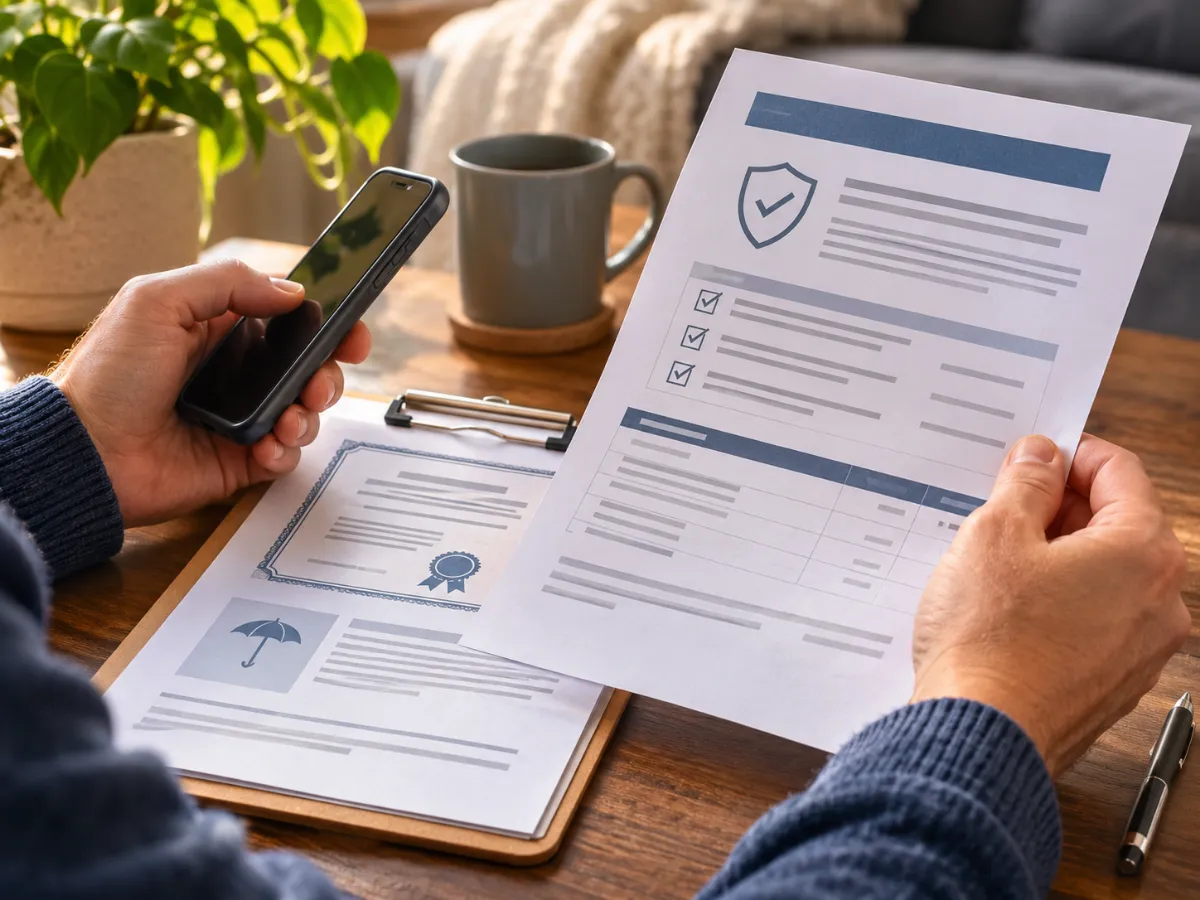
We do not check the companies your call reaches. Wherever you are, request proof of insurance and a written estimate before work starts. Confirm credentials or registrations that apply to the specific work and jurisdiction.
- What is the proposed process, and what areas and materials are included?
- Is the price a written estimate? When might it change, and who must approve changes?
- Are disposal, transport, odor treatment, testing, or restoration included or charged separately?
- Who handles waste, and what records or documentation will you receive?
A clear written scope lets you compare the work discussed with the price quoted. If an answer is unclear, ask for it in writing before authorizing the work. Read more about what affects crime scene cleanup cost.
Check the Florida DOH list
Florida's Department of Health describes permitting trauma scene cleanup companies as biomedical waste generators and registering biomedical waste transporters. Generator permits and transporter registrations are distinct. Florida's Chapter 64E-16 addresses the management of biomedical waste, and section 381.0098, Florida Statutes addresses the state program.
Ask the company for its DOH registration number and check the Florida DOH Trauma Scene Cleanup Providers list. DOH says companies on that list without a four-digit number are not registered to transport biomedical waste. The list is provided for convenience, is updated at company owners' request, and is not an endorsement of cleanup procedures. Confirm current registration and applicable generator permits or exemptions with the DOH biomedical waste program when needed.
Florida's rules include a limited transporter-registration exemption for generators moving less than 25 pounds of their own biomedical waste in their own vehicle on one occasion. Ask who will transport any biomedical waste and confirm which rules apply to the actual arrangement. A registration or list entry alone does not establish insurance, price, service quality, or fit for your job. Rules outside Florida differ. Sources checked November 3, 2026.
Scene release comes first
If anyone is in danger or hurt, call 911 before anything else. This guide and our phone number are not emergency services. Keep people and pets away from an unsafe area, and do not disturb suspected sharps, biological material, or chemical residue.
When law enforcement or another authority has restricted a scene, cleanup should begin only after the responsible authority releases the area and access is authorized. The release of a person by a medical examiner does not by itself establish that the property is open for cleanup. Ask the authority responsible for the scene who can authorize access and when the company may enter. The National Institute of Justice's crime scene investigation guide describes scene release in the context of an investigation. Source checked November 3, 2026.
For other situations, establish who controls access to the property and share any restrictions with the provider. You do not need to enter an unsafe area to describe the situation or make a call.
Biohazard cleanup near me
If you are looking for biohazard cleaning services near you, a call can connect you with an independent provider serving your ZIP code when one is available. Service depends on location, and in some areas we may not be able to connect you. A provider confirms whether it can handle the material and property, and sets its own timing and price.
What happens when you call
The call center is available 24/7, asks about your location and the situation, and may connect you to a provider. It does not perform the cleanup. A call is an inquiry, not a booking or guarantee of service. You can give the ZIP code and what you safely know, then ask the provider your questions directly.
Find local information
Our guides are a national starting point, with Florida-specific information as well. A connection depends on your ZIP code and provider availability. The local pages below focus on waste and public-program guidance; a city guide does not guarantee a cleanup provider or service in that area.
For statewide context, see the Florida guide. For sharps, medical and dental waste, veterinary waste, and other disposal topics, browse all service guides.
Where this guidance comes from
Biohazard Cleanup Connect researches and organizes practical and regulatory information. We do not perform cleanups. Read more about our sources and corrections in our editorial policy. The official sources below were checked November 3, 2026; consult the relevant agency for current requirements and how they apply to your situation.
- OSHA: Bloodborne Pathogens Standard, 29 CFR 1910.1030
- CDC: Regulated medical waste in health-care facilities
- Florida DOH: Trauma Scene Cleanup Providers
- Florida DOH: Biomedical Waste Regulation
- Florida Administrative Code, Chapter 64E-16: Biomedical Waste
- Florida Statutes, Section 381.0098: Biomedical waste
- Florida DOH: Biomedical Waste Transporter List
- National Institute of Justice: Crime Scene Investigation
Talk through the next step.
Call to ask about an independent provider for your ZIP code. Provider availability, scope, credentials, and price are confirmed directly. Calls may be recorded.
We are paid a referral fee for qualified calls. You do not pay us for the call.
Service depends on your ZIP code; in some areas we may not be able to connect you. If anyone is in danger or hurt, call 911 first.