Skip to content
    Independent information and referral hub
    A practical guide for families and occupants

    Hoarder Cleaning Services: How Hoarding Cleanup Works

    Looking for hoarder cleaning services, hoarding cleanup companies, or help with a hoarding cleanout? This guide explains how hoarding cleanup works, who should be involved in planning it, the difference between a junk hauler and a hoarding cleanup company, and what to ask before you hire anyone. The person who lives in the space is part of the plan. Good hoarding cleanup is done with someone and with care.

    Call (786) 628-8505 to talk through your situation. Your call is forwarded through our referral partner to a call center, available 24/7. The call center asks for the ZIP code where you need the cleanup and connects you to a biohazard cleanup company that serves that area. We are a referral service, not a cleanup company. Calls may be recorded. If anyone is in danger or hurt, call 911 first.

    Call (786) 628-8505

    We are paid a referral fee for qualified calls. You do not pay us for the call.

    Service depends on your ZIP code; in some areas we may not be able to connect you.

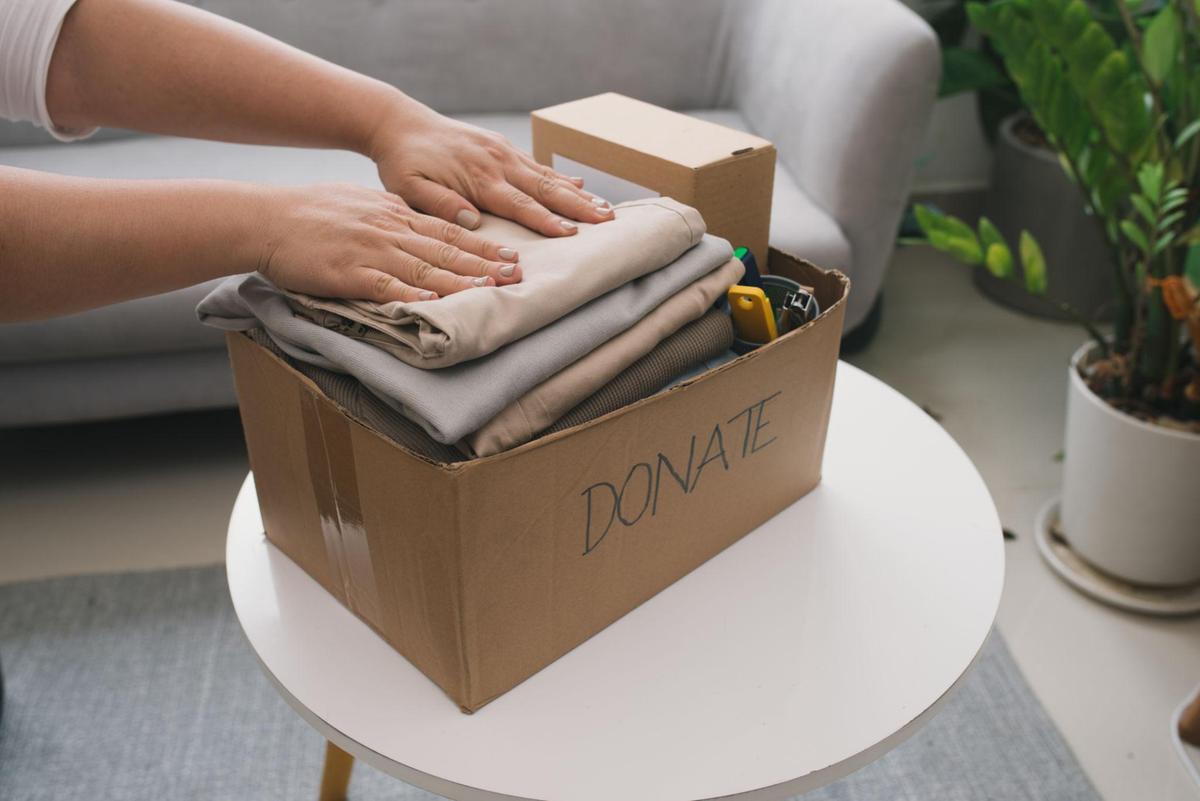
    Sorting belongings during a hoarding cleanup, done with care
    Illustrative only. This image does not depict a specific property or a referred provider.
    Understanding the work

    What hoarding cleanup involves

    Hoarding cleanup, sometimes searched as hoarder house cleaning or a hoarding cleanout, covers everything from sorting and removing large volumes of belongings to addressing hazards that can build up in a home: mold, pest activity, animal waste, sharps, or damaged flooring. Hoarder cleaning services range in scope from a contents-focused project closer to organizing and junk removal to specialty cleanup that may involve hazardous material and regulated waste disposal.

    Each job calls for an approach based on the conditions in the space and what the person who lives there wants and needs. A provider can help identify which work it can handle and whether another specialist should be involved.

    Choosing the right help

    Junk hauler or hoarding cleanup company?

    This is one of the first things worth figuring out, because it changes who you call. Some situations need both types of help.

    01

    A junk hauler may be enough

    When the job is mainly about volume, a hauler may help remove ordinary household items and non-hazardous waste. Items may first need to be sorted, kept, donated, or discarded with the occupant's input.

    Junk removal for hoarders in this situation is largely a logistics job involving labor, trucks, and ordinary disposal. Confirm what sorting or donation services are included before hiring.

    02

    Specialty cleanup may be needed

    When hazards are present, ask for a company equipped for the specific conditions. A hoarding cleanup company may assess and address:

    • Animal waste or droppings: these can carry pathogens; significant accumulations may need specialized handling rather than sweeping or vacuuming.
    • Mold: extensive or hidden mold in water-damaged areas needs assessment and appropriate remediation.
    • Sharps: needles or broken glass need safe collection and disposal. Applicable waste rules depend on the item and circumstances.
    • Structural hazards: damaged floors, blocked exits, or areas unsafe to walk through may require assessment.
    • Decomposition or bodily fluids: these may be present if a death or injury is also involved.

    If you are not sure which applies, that is a normal place to start. A call may connect you with an independent biohazard cleanup provider who can ask questions and discuss whether the situation calls for hauling, specialty cleanup, or both. Confirm what the provider can actually handle.

    Planning together

    How a hoarding cleanup is planned with the person who lives there

    The occupant is part of the plan. A rushed, forced clear-out, even when well-intentioned, can be traumatic and may not lead to lasting change. A plan made with the person respects their connection to the home and belongings and makes room for their priorities.

    In practice, planning usually means:

    • Involving the occupant in decisions wherever possible, including what stays, what is donated, and what is discarded.
    • Working in stages, especially for larger situations, rather than attempting a single all-at-once clear-out. Agree on a starting area and the purpose of each visit.
    • Bringing in the right support, which can include family, a professional organizer, a mental health or social-services professional, or a cleanup company. More than one may be involved.
    • Being honest about pace. A situation that has built up over months or years may need more than a day. Discuss a timeline with the provider and the person living there.

    Families, property managers, and the people living in the space can all make the first call. Before work begins, confirm who is authorized to arrange it and make decisions about belongings.

    Planning a hoarding cleanup together with the person who lives there
    Illustrative only. This image does not depict a specific property or a referred provider.
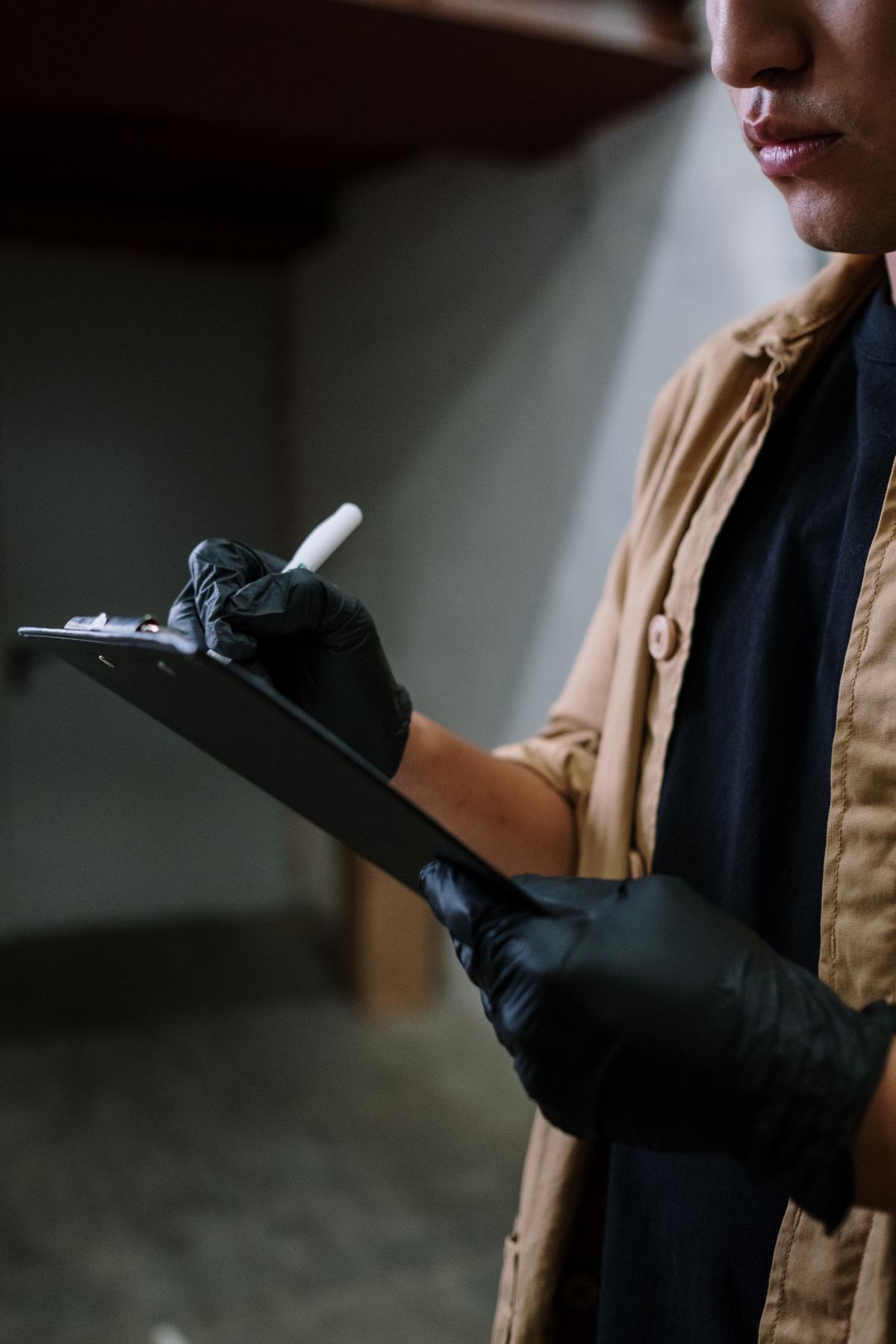
    Provider assessing hazards before a hoarding cleanup
    Illustrative only. This image does not depict a specific property or a referred provider.
    Assessment and arrangements

    What a provider typically assesses and arranges

    An independent provider experienced in hoarding cleanup typically starts with an assessment covering:

    • Scope of contents work: how much needs to be sorted, donated, removed, or kept, and how to stage it.
    • Hazard identification: whether mold, pests, animal waste, sharps, or structural issues are present and what each requires.
    • A realistic plan and timeline: based on the condition of the space and, where possible, a pace the occupant is comfortable with.
    • Disposal requirements: regulated waste is handled differently from ordinary bulk waste. Ask the provider what applies to each part of the job and who will transport it.

    For covered occupational exposure to human blood or other potentially infectious materials, OSHA's Bloodborne Pathogens Standard, 29 CFR 1910.1030, sets workplace protections. It does not apply automatically to every kind of hazard. Florida's biomedical waste rules depend on the material and activity. Ask the provider to explain how each hazard and any regulated waste will be handled.

    Safety and dignity

    Safety and dignity come first

    If anyone is in immediate danger or there is a medical emergency, call 911 first. Otherwise, safety can mean confirming there is a clear, safe path before anyone enters, identifying possible weakened flooring, and telling a provider about suspected hazards before contents work begins. Do not enter an unsafe area to investigate. Keep children and pets away from areas of concern and let the appropriate professional assess them.

    Dignity matters just as much as physical safety. Hoarding situations can involve grief, mental health, or other personal circumstances. A cleanup company is not positioned to assess or treat those circumstances. If the person or family wants support, a qualified health or social-services professional can help alongside the cleanup plan.

    What to ask before you hire a hoarding cleanup company

    Ask questions before authorizing work and request a written estimate. Useful questions include:

    • Do you handle both contents removal and hazard cleanup, or just one? If another specialist is needed, who arranges that?
    • How do you involve the person living in the space in decisions about belongings?
    • What happens if you find mold, animal waste, sharps, or other hazards once work begins? How are changes to the scope and price approved?
    • Can the work be staged over multiple visits rather than done in one day?
    • What permits or registrations apply to the work and waste involved? Can I verify them? Can you provide proof of insurance?
    • What happens to items set aside for donation, storage, or disposal, and who decides?

    We do not check the companies your call reaches. In Florida, ask which Department of Health permits or transporter registrations apply to the particular biomedical waste work, and who will transport any regulated waste. Generator permits and transporter registrations are separate, and rules and exceptions vary by activity. The Florida DOH trauma scene cleanup providers list may help with a transporter check; the list is not an endorsement of cleanup quality. Confirm current requirements and status with the county DOH when needed. Wherever you are, ask for proof of insurance and a written estimate before authorizing work.

    Location and costs

    Hoarding cleanup near you

    If you are searching for hoarding cleanup near me or a hoarding cleanup service near me, a call can connect you with an independent provider serving your ZIP code when one is available. Coverage depends on location, and in some areas we may not be able to connect you. Ask the provider whether it handles the specific conditions and services you need.

    Help with cost and next steps

    Hoarding cleanup cost varies widely depending on the volume of belongings, whether hazardous material is involved, and how the work is staged. This site does not quote prices. Ask for an itemized written estimate that explains the work, disposal, any additional specialists, and how changes are approved. The provider sets its own price and payment terms.

    If you are considering options for paying, ask the provider what documentation it can supply and check any available insurance or local assistance directly. A realistic conversation about the scope and priorities can help you decide which work to address first.

    Making an inquiry

    How a hoarding cleanup referral works

    A call to (786) 628-8505 is forwarded through our referral partner to a call center, available 24/7. The call center asks for the ZIP code where cleanup is needed and connects the call to an independent biohazard cleanup company serving that area. The call center does not perform cleanup. Calls may be recorded.

    A call is an inquiry, not a booking or a guarantee of service. The provider can talk through the situation and ask follow-up questions. It confirms its own availability, scope, credentials, timing, and price. Coverage depends on ZIP code, and in some areas a connection may not be available. Share what you know from a safe place, including any concerns about hazards and how the occupant would like to take part.

    Read more about how the referral process works, or visit the broader biohazard cleanup guide.

    Common questions

    Frequently asked questions

    Is hoarding cleanup the same as junk removal?

    Not always. A contents-only project with no hazardous material may fit ordinary junk removal; a situation involving mold, animal waste, sharps, or structural issues needs a company equipped to handle those specifically.

    Does the occupant have to leave during cleanup?

    Not necessarily. It depends on the scope of work and any safety concerns identified during assessment. Discuss this directly with the provider.

    Can the cleanup provider decide what gets thrown away?

    The occupant or whoever is authorized to make that decision should be involved wherever possible. A provider can offer guidance, but decisions about belongings should not be made unilaterally without that input.

    What should I do if there may be sharps or animal waste?

    Do not handle these yourself. Mention them when you call, since they affect which type of provider is the right fit and how the job is planned.

    Can pets stay in the property?

    This depends on the provider and the scope of work. Ask directly, since some situations may require temporary relocation for the pet's safety during certain phases of cleanup.

    How long does a staged cleanup take?

    It varies widely by the volume involved and the pace that works for the occupant. Some situations are resolved over a single visit, others over weeks. A provider can give a realistic estimate after assessing the space.

    Does this service include counseling or a diagnosis?

    No. This is a referral service connecting you to cleanup providers, not a mental health or medical service. If support around the underlying situation is wanted, a qualified health or social-services professional is the right resource.

    When you are ready

    Talk through the next step.

    Call (786) 628-8505 to talk through your situation. Your call is forwarded through our referral partner to a call center, available 24/7. The call center asks for the ZIP code where you need the cleanup and connects you to a biohazard cleanup company that serves that area. We are a referral service, not a cleanup company. Calls may be recorded. If anyone is in danger or hurt, call 911 first.

    Call (786) 628-8505

    We are paid a referral fee for qualified calls. You do not pay us for the call.

    Service depends on your ZIP code; in some areas we may not be able to connect you.