Skip to content
    Independent information and referral hub
    A practical guide to disposal options

    Biohazard Waste Disposal: Pickup and Drop-Off Options

    Biohazard waste disposal means different things depending on who's asking. A household with a few used sharps can check local drop-off and mail-back options. A practice or business generating regulated medical waste may need ongoing collection. Start with the path that fits your situation.

    Call (786) 628-8505 to talk through your situation. Your call is forwarded through our referral partner to a call center, available 24/7. The call center asks for the ZIP code where you need the cleanup and connects you to a biohazard cleanup company that serves that area. We are a referral service, not a cleanup company. Calls may be recorded. If anyone is in danger or hurt, call 911 first.

    Call (786) 628-8505

    We are paid a referral fee for qualified calls. You do not pay us for the call.

    Service depends on your ZIP code; in some areas we may not be able to connect you.

    Household sharps disposal and business biohazard waste pickup options
    Illustrative only. This image does not depict a specific property or a referred provider.
    Start here

    What counts as biohazard waste?

    Biohazard waste can include medical and biological materials that may carry pathogens. Depending on the setting and applicable definition, examples include used sharps such as needles, scalpels and lancets; certain materials contaminated with blood or other potentially infectious material; pathological waste; and some laboratory waste. Ordinary household trash is a different stream.

    Not all waste from a medical or dental setting is regulated biomedical waste. Other materials, such as dental amalgam, may be governed by different rules and need a separate disposal route. Identifying the material and where it was generated helps you ask the right questions. The U.S. Environmental Protection Agency's medical waste guidance explains that medical waste is primarily regulated by states. Checked on November 5, 2026.

    Household path

    Household sharps: drop-off and mail-back options

    If you use needles, lancets or other sharps at home, look for a household sharps program before arranging a paid pickup. Community drop-off and mail-back options exist, but availability, eligibility, accepted containers and cost vary by location and program.

    Community drop-off. Some pharmacies, hospitals, health departments, fire stations or household hazardous-waste facilities accept sharps. Ask your local health or waste department, pharmacist, doctor or veterinarian about programs nearby. The FDA's sharps disposal guidance notes that drop-off may be free or carry a nominal fee. Checked on November 5, 2026.

    Mail-back. Some programs accept a filled approved container by mail. Mail-back services are usually fee-based; some medication-related programs are free to eligible users and have conditions. The Safe Needle Disposal locator lets you search by ZIP code or state, and its program list describes eligibility. Checked on November 5, 2026. Check with the specific program before sending anything.

    Put used sharps immediately into an FDA-cleared sharps container, or an appropriate heavy-duty household container if permitted locally. Keep it away from children and pets; do not overfill or reuse it. Never put loose needles in household trash or recycling. Ask the receiving program which container it accepts and follow its instructions for closure and delivery. FDA guidance, checked on November 5, 2026.

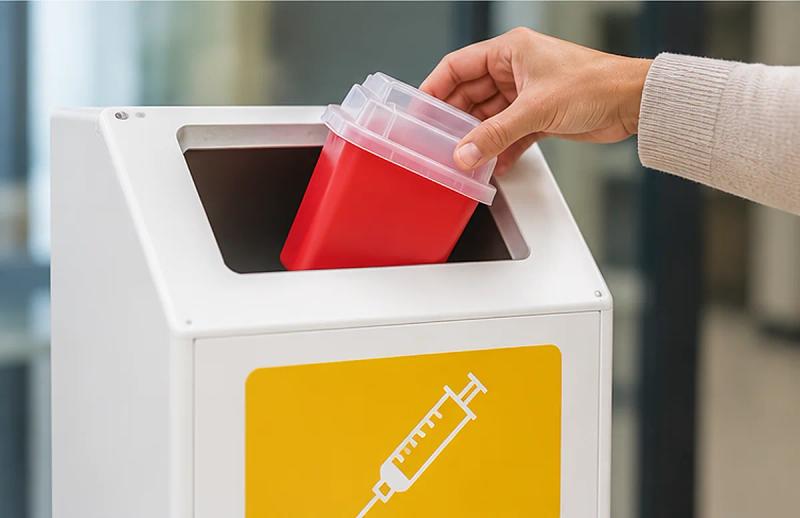
    Dropping off used sharps at a free community disposal location
    Illustrative only. This image does not depict a specific location or program.
    Business path

    Businesses and practices: when you need a pickup service

    A dental or veterinary practice, medical office, laboratory, funeral home or other business may generate regulated waste regularly. Depending on the work, it can include sharps in clinical volumes, red bag waste contaminated with blood or other potentially infectious materials, or pathological and other biomedical waste. A recurring or on-call collection arrangement may be appropriate; requirements depend on your waste and jurisdiction.

    In Florida, generator permits and transporter registrations are separate. Florida biomedical waste rule 64E-16 exempts generators producing or treating less than 25 pounds in each 30-day period from permit and fee requirements, but an initial application for a permit or exemption is required. A separate transporter-registration exception applies when a generator transports less than 25 pounds of its own biomedical waste in its own vehicle on one occasion. Other requirements may still apply. Checked on November 5, 2026.

    Discuss the applicable rules, storage and exemption process with your Florida Department of Health county office. Checked on November 5, 2026. Outside Florida, consult the appropriate state and local agencies. A call through this site may connect you with an independent cleanup company, but the company must confirm whether it offers the waste service you need.

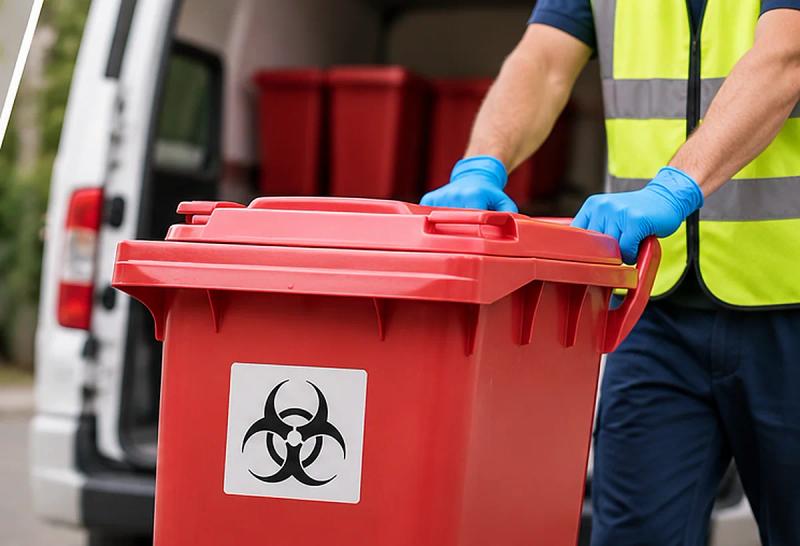
    Scheduled biohazard waste pickup for a medical or dental practice
    Illustrative only. This image does not depict a specific property or a referred provider.
    Planning collection

    What to discuss with an independent provider

    Waste collection arrangements differ by company and location. Before entering an agreement, describe what you generate, its approximate volume, where it is stored and how often you may need collection. Ask for a written explanation of these parts of the service:

    • Containers: Which sharps containers, bags or bins are accepted? Are they supplied, purchased separately or the customer's responsibility?
    • Scheduling: Is collection recurring or on request? Ask about frequency, minimum volumes, missed collections and how changes are handled.
    • Transport and treatment: Who collects the material, who transports it, and where does it go? Ask which requirements apply to each party and waste stream.
    • Documentation: What pickup receipts, tracking records or other documentation will you receive? Who retains them, and for how long?

    Florida's rule addresses storage timing and requires registered biomedical waste transporters to provide a receipt to the generator at pickup. See Florida Chapter 64E-16, checked on November 5, 2026. Requirements vary elsewhere, so check the rules for your location and material.

    For covered occupational exposure to human blood and specified other potentially infectious materials, OSHA's Bloodborne Pathogens Standard sets workplace protections. It does not apply automatically to every biological or chemical waste stream. Checked on November 5, 2026.

    Before you agree

    Checking a biohazard waste disposal company

    We do not check the companies your call reaches. Ask whether the company handles your specific materials and location, who will transport the waste, and what permits or registrations apply to each part of the work. Request proof of insurance and a written agreement before authorizing a contract.

    In Florida, ask for the relevant biomedical waste transporter registration number and check it with the Department of Health. The department's registered transporter list is a starting point; if a transporter is absent, the department advises contacting it to validate registration. Checked on November 5, 2026. The generator and transporter requirements are distinct, and the limited exceptions noted above may apply. Confirm current status and requirements with the county health department.

    Review what is included in the price, how additional pickups or containers are charged, how long the agreement runs and how to change or end it. The provider sets its own terms and price. If a company cannot produce current documentation for the requirements that apply, ask further questions before proceeding.

    Local options

    Biohazard waste disposal near you

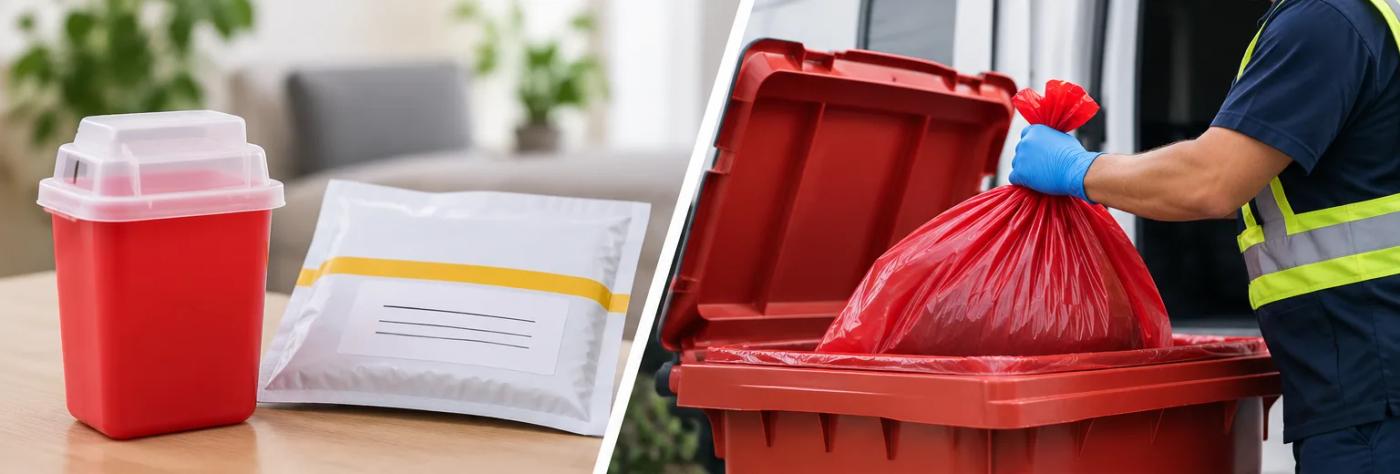
    If you are searching for a biohazard waste disposal company for your practice, a call may connect you with an independent company serving your ZIP code. Coverage depends on location, and in some areas a connection may not be available. Ask the company directly if it offers the pickup, transport or disposal you need, and confirm its availability and service area.

    For a small amount of household sharps, the drop-off and mail-back options above may be more practical. Check the program's eligibility, containers and charges first. You do not need to call this referral line to use those resources.

    Making an inquiry

    How a biohazard waste disposal pickup referral works

    A call to (786) 628-8505 is forwarded through our referral partner to a call center, available 24/7. The call center asks for the ZIP code where cleanup is needed and connects the caller to an independent biohazard cleanup company serving that area. The call center does not perform cleanup. Calls may be recorded.

    The call is an inquiry, not a booking. A connection may not be available in every ZIP code, and we cannot promise pickup or that a company offers a particular waste service. If connected, explain your generator type, materials, volume and preferred frequency. The provider confirms its own availability, scope, credentials, timing and price, and can discuss an agreement if it is a fit. The call center's hours do not establish a provider's hours.

    Read more about how the referral process works.

    Common questions

    Frequently asked questions

    Is ordinary household trash considered biohazard waste?

    Ordinary household trash is not generally regulated biomedical waste. Used needles and other sharps need special handling, however. Check your local rules and disposal options rather than placing loose sharps in trash or recycling.

    Can a provider pick up sharps or loose needles?

    Some waste providers offer sharps collection for businesses, but accepted materials, containers, locations and service terms vary. Ask a provider directly. A household with a small quantity can first check local drop-off or mail-back options. Do not handle loose needles without appropriate guidance.

    Do I need to buy red bags or special containers first?

    Ask the provider whether containers and bags are included or sold separately, and which ones are appropriate for your waste. Do not assume they are included in a pickup agreement. Follow the rules and procedures that apply while arranging service.

    What is a waste manifest?

    A manifest or tracking record documents waste movement. Records and terminology depend on the material and jurisdiction. In Florida, registered biomedical waste transporters provide pickup receipts. Ask what records you will receive, where the waste goes and how long you need to retain them.

    Can a household request a one-time pickup?

    That depends on the provider, the material and the location. For a small amount of household sharps, check a local drop-off or mail-back program first. Ask about eligibility, accepted containers and any fee before you go or ship.

    Does Biohazard Cleanup Connect guarantee compliant disposal?

    No. We are an independent referral service, not a waste disposal company, and do not guarantee a provider's performance or compliance. Check applicable credentials and insurance, and confirm service terms directly with the provider before signing an agreement.

    When you are ready

    Talk through the next step.

    Call (786) 628-8505 to talk through your situation. Your call is forwarded through our referral partner to a call center, available 24/7. The call center asks for the ZIP code where you need the cleanup and connects you to a biohazard cleanup company that serves that area. We are a referral service, not a cleanup company. Calls may be recorded. If anyone is in danger or hurt, call 911 first.

    Call (786) 628-8505

    We are paid a referral fee for qualified calls. You do not pay us for the call.

    Service depends on your ZIP code; in some areas we may not be able to connect you.