Independent referral hub · Provider availability varies by location
    Branch 1 · Biohazard Waste Disposal

    For veterinary clinics, animal hospitals, laboratories, and mobile practices

    Veterinary Biohazard Waste DisposalA practical guide

    Veterinary facilities may generate sharps, blood or body-fluid materials, pathological or animal-related waste, medications, and chemicals that require different handling paths. This guide helps teams prepare a recurring or one-time request without assuming one provider accepts every category.

    Call (786) 628-8505

    We are paid a referral fee for qualified calls. You do not pay us for the call.

    Read the guide

    A phone call is an inquiry, not a booking or guarantee of a response, referral, or service. Any independent provider involved confirms its own availability, scope, pricing, timing, credentials, permits, and applicable requirements directly.

    Separate the animal-care streams

    The animal, material, container, volume, facility setting, and jurisdiction shape the right collection conversation.

    Visual reference

    Understand the setting without graphic detail.

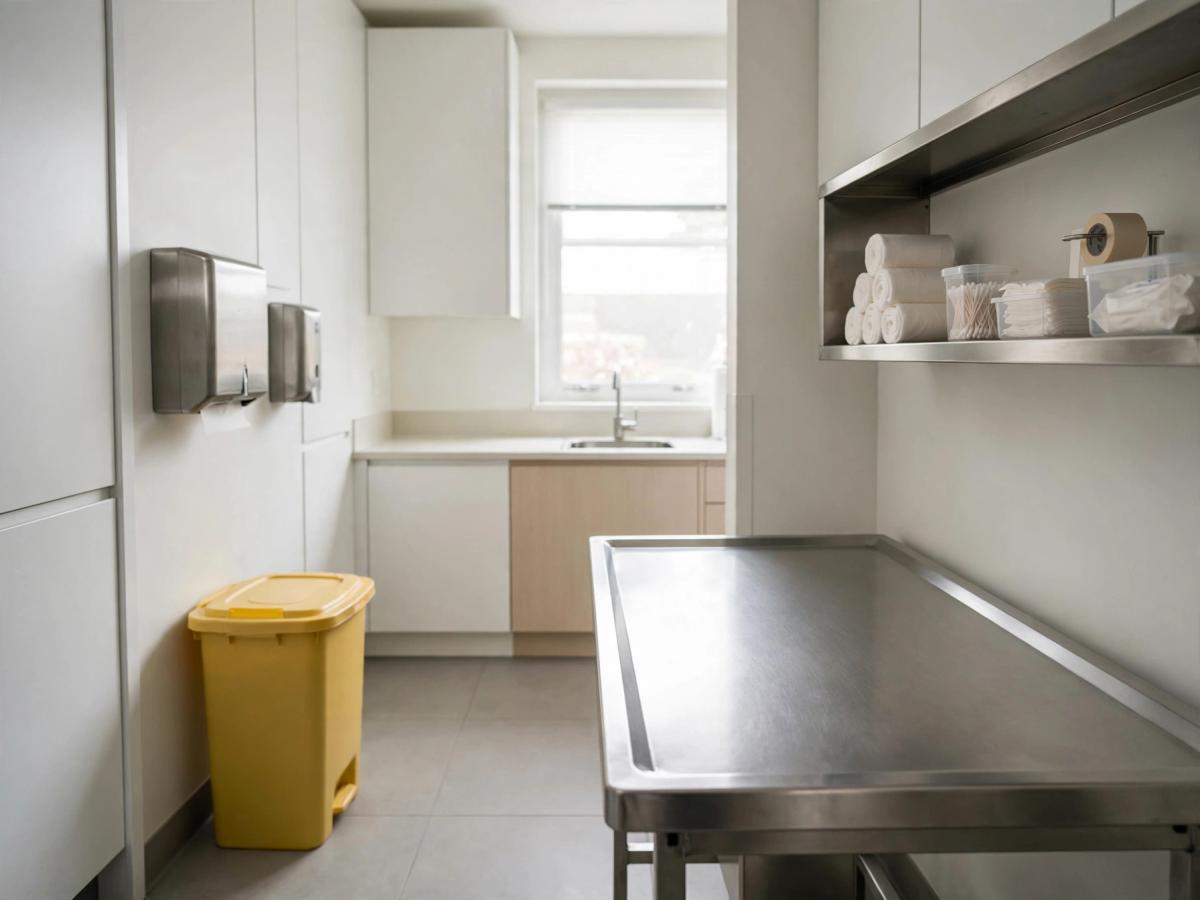
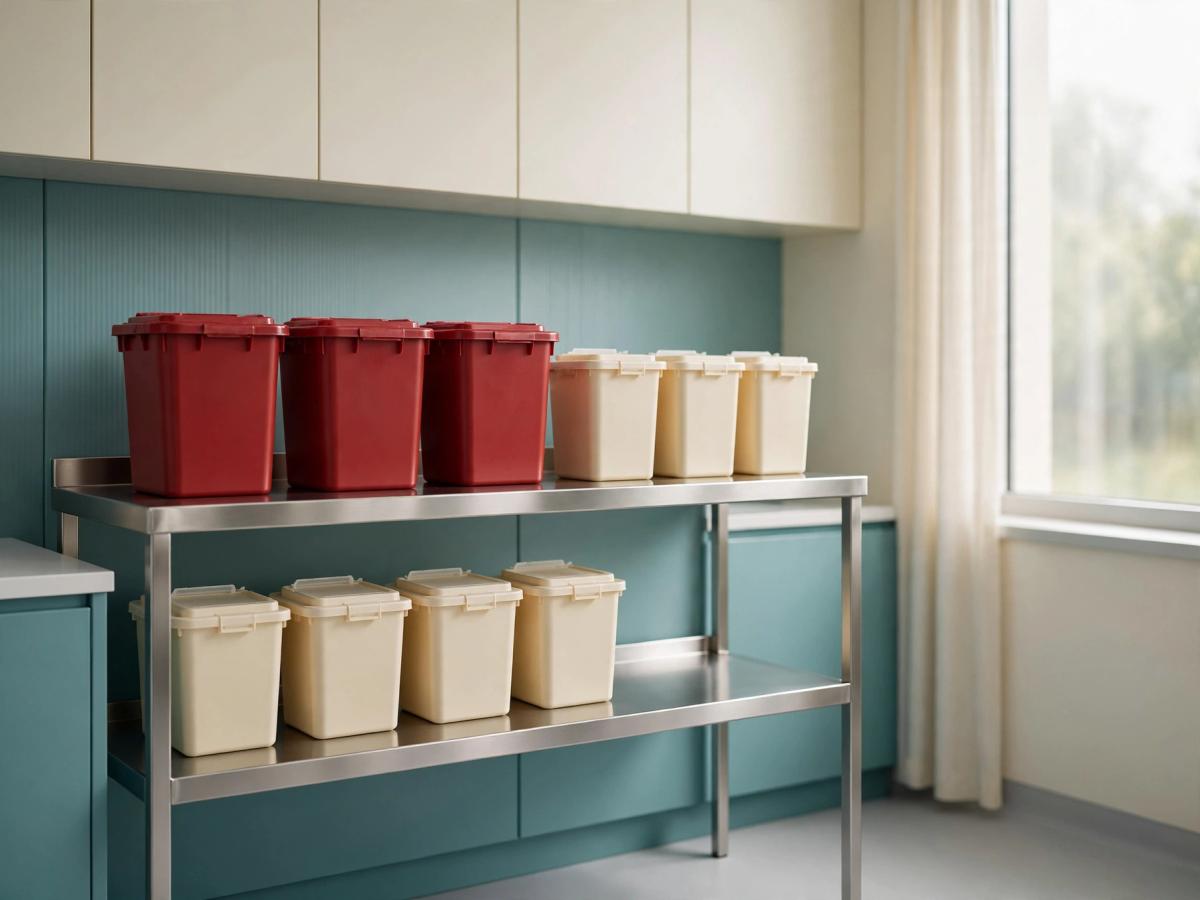
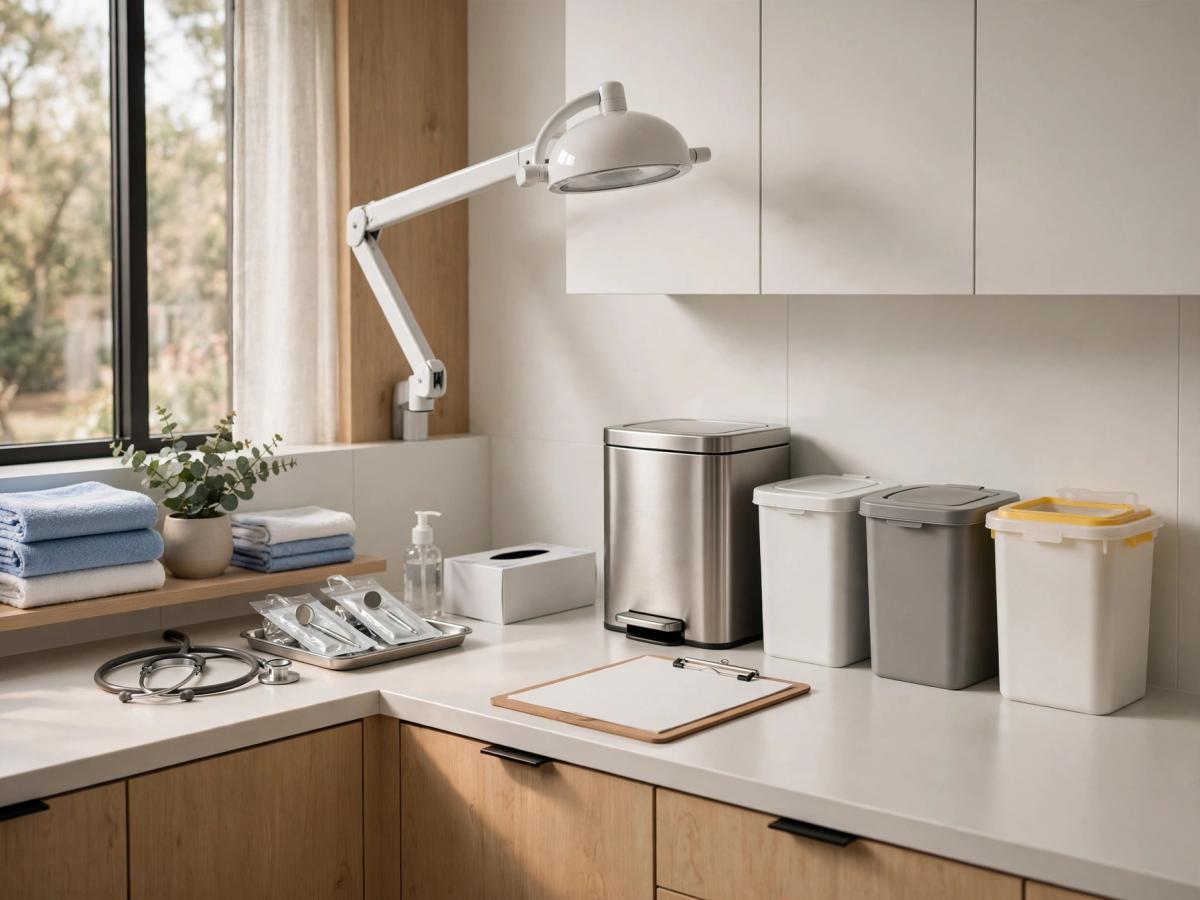
    These images are illustrative guide references, not a provider facility or customer scene.

    Clean animal clinic treatment room with a closed waste container and clear surfaces.
    A clean animal-care treatment room with a closed waste container. Illustrative guide image, not a provider facility or customer scene.
    Sealed red and neutral clinical waste containers arranged on stainless steel shelving in a bright service room.
    Sealed clinical waste containers in a bright service room. Illustrative guide image, not a provider facility or customer scene.
    Clean dental or veterinary-style workspace with closed collection containers and clear work surfaces.
    A clean practice workspace with closed collection containers. Illustrative guide image, not a provider facility or customer scene.

    Start here

    What veterinary biohazard waste disposal may involve

    Animal hospitals, veterinary clinics, diagnostic laboratories, shelters, and mobile practices can produce sharps, blood-contaminated items, body-fluid materials, pathological or animal-related waste, pharmaceutical items, and chemicals. These categories may need different containers, records, transport, treatment, or disposal arrangements.

    An independent provider can explain which streams it accepts and whether it supplies containers, recurring pickup, one-time collection, manifests, or separate coordination. Do not assume a provider that handles routine biohazard waste also handles pathological, pharmaceutical, or chemical material.

    Biohazard Cleanup Connect is an independent referral hub. It does not collect veterinary waste, transport animals or materials, treat or dispose of waste, or determine a facility's compliance requirements.

    Use the details you know

    Identify the material before choosing the route

    These situations help frame a provider conversation. The provider and responsible facility authority confirm the actual category and service.

    Identify the material before choosing the route
    SituationWhat a provider may clarify
    A clinic or animal hospital needs routine collectionFacility type, waste categories, container sizes, storage, volume, pickup frequency, access hours, and the records the practice needs.
    Sharps and blood-contaminated treatment materials are generatedWhich containers and routes apply, whether the provider handles both streams, and how full or damaged containers should be managed.
    Pathological or animal-related material needs removalMaterial type, source, containment, timing, provider acceptance, jurisdictional or facility requirements, and documentation.
    Medications, euthanasia agents, or chemicals are part of the requestWhether the provider accepts that category, which separate service or authority applies, and how it should remain isolated until directed.
    A kennel, treatment room, vehicle, or surface is contaminatedWhether the request is waste collection, cleaning and disinfection, odor work, restoration, or a combination of separate scopes.

    Before you call

    What to know before a provider conversation

    Keep animals, staff, clients, and visitors away from uncertain material while you gather safe facts. Do not open, sort, or combine containers.

    • Restrict access to the designated storage or affected area and follow the facility's existing incident procedures.
    • Do not handle loose sharps, leaking bags, pathological material, medications, chemicals, or unknown containers.
    • Do not mix pharmaceutical, chemical, ordinary, and biological waste because they are stored in the same room.
    • Note the facility type, material category, approximate amount, container condition, access, and any animal or human exposure from a safe position.
    • For an exposure, serious injury, fire, active release, or immediate danger, follow emergency procedures and call 911 when appropriate.

    Provider conversation

    Questions for a veterinary waste provider

    Provider scope can differ sharply between routine clinical waste and animal-related, pharmaceutical, or chemical streams. Ask for an itemized scope before authorizing service.

    • Confirm whether the provider handles sharps, blood or body-fluid materials, pathological waste, animal-related waste, medications, and chemicals.
    • Ask about approved containers, labels, storage, supply or exchange, pickup frequency, access hours, and one-time requests.
    • Clarify whether animals, carcasses, tissues, pharmaceuticals, or chemicals require another provider or authority.
    • Review manifests, receipts, treatment or disposal records, and which details the facility should retain.
    • Separate waste collection from kennel, treatment-room, vehicle, odor, spill, or surface cleanup.
    • Confirm credentials, permits, pricing, timing, coverage, and limitations for the provider and location.
    Referral process

    How a veterinary disposal referral works

    A phone inquiry can ask about possible veterinary-waste options, but no provider or service is guaranteed. The facility and any independent provider confirm which animal-care streams fall within the provider's scope.

    1. 1

      Prepare facility details for a call

      If you choose to call, share only safe, general details: ZIP code, practice setting, material categories, containers, approximate volume, pickup pattern, access, and general record needs.

    2. 2

      A provider confirms each category

      An independent provider may ask about sharps, blood, pathological or animal-related waste, medications, chemicals, and separate cleanup needs.

    3. 3

      Review the confirmed service

      The provider explains its own scope, containers, timing, pricing, credentials, permits, records, and exclusions before work begins.

    Questions people ask

    Practical questions before you call

    Does every biohazard provider handle veterinary waste?

    No. Provider scope can vary by veterinary setting, material, volume, container, and jurisdiction. Ask specifically about sharps, blood or body-fluid materials, pathological or animal-related waste, medications, and chemicals.

    Are medications and chemicals part of veterinary biohazard waste?

    They may require a separate category or provider. Do not mix them with biological waste or ordinary trash. Tell the provider what is present and ask which service or authority should handle it.

    Can a veterinary clinic schedule recurring pickup?

    Some providers offer recurring routes for selected streams. Share the facility type, categories, estimated volume, containers, access hours, and preferred frequency so the provider can confirm fit.

    What if pathological or animal-related material is involved?

    Keep it contained and restrict access without opening or moving it. The provider must confirm whether it handles the material, what container and documentation apply, and whether another authority or specialist is needed.

    Does veterinary waste disposal include cleaning a kennel or treatment room?

    Collection and surface or room cleaning are separate questions. Tell the provider if a kennel, treatment room, vehicle, spill, odor, or disinfection need is also present.

    Does Biohazard Cleanup Connect verify veterinary permits?

    No. Biohazard Cleanup Connect is an independent referral hub. The facility should ask any independent provider involved to confirm its own scope, credentials, permits, records, pricing, timing, and limitations.

    Phone inquiry

    Call to ask about a possible provider connection.

    Biohazard Cleanup Connect is an independent information and referral hub, not a cleanup contractor. A call is an inquiry, not a booking or guarantee of a response, referral, or service.

    • If you choose to call, share only safe, general details you already know. Do not inspect or handle material to prepare.
    • Independent providers confirm their own availability, work scope, pricing, timing, credentials, permits, and records directly.
    • This number is not for emergencies. Call 911 for active danger or a medical emergency.
    Call (786) 628-8505

    We are paid a referral fee for qualified calls. You do not pay us for the call.