
Independent referral hub · Provider availability varies by location
    Branch 1 · Biohazard Waste Disposal

    For facilities, property managers, households, and one-time material requests

    Blood-Contaminated Waste DisposalA practical guide

    Blood-contaminated waste disposal is a material-collection question. It is different from cleaning a room, vehicle, workplace, or trauma scene. This guide helps you describe the source, moisture, containment, sharps, access, and one-time or recurring need so a provider can confirm the right scope.

    Call (786) 628-8505

    We are paid a referral fee for qualified calls. You do not pay us for the call.

    Read the guide

    A phone call is an inquiry, not a booking or guarantee of a response, referral, or service. Any independent provider involved confirms its own availability, scope, pricing, timing, credentials, permits, and applicable requirements directly.

    Waste or cleanup?

    The source, amount, leakage, affected surfaces, and access determine whether the request is collection, cleanup, or both.

    Visual reference

    Understand the setting without graphic detail.

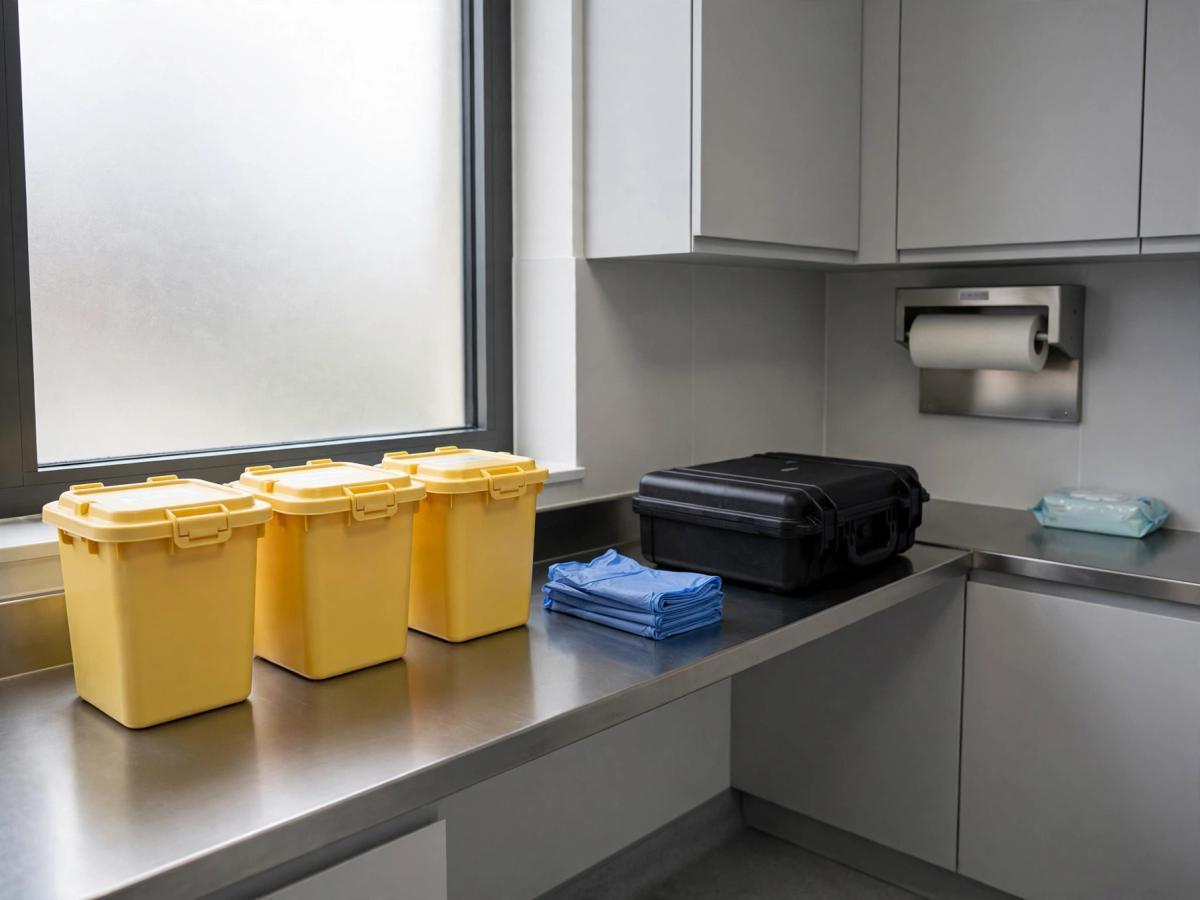
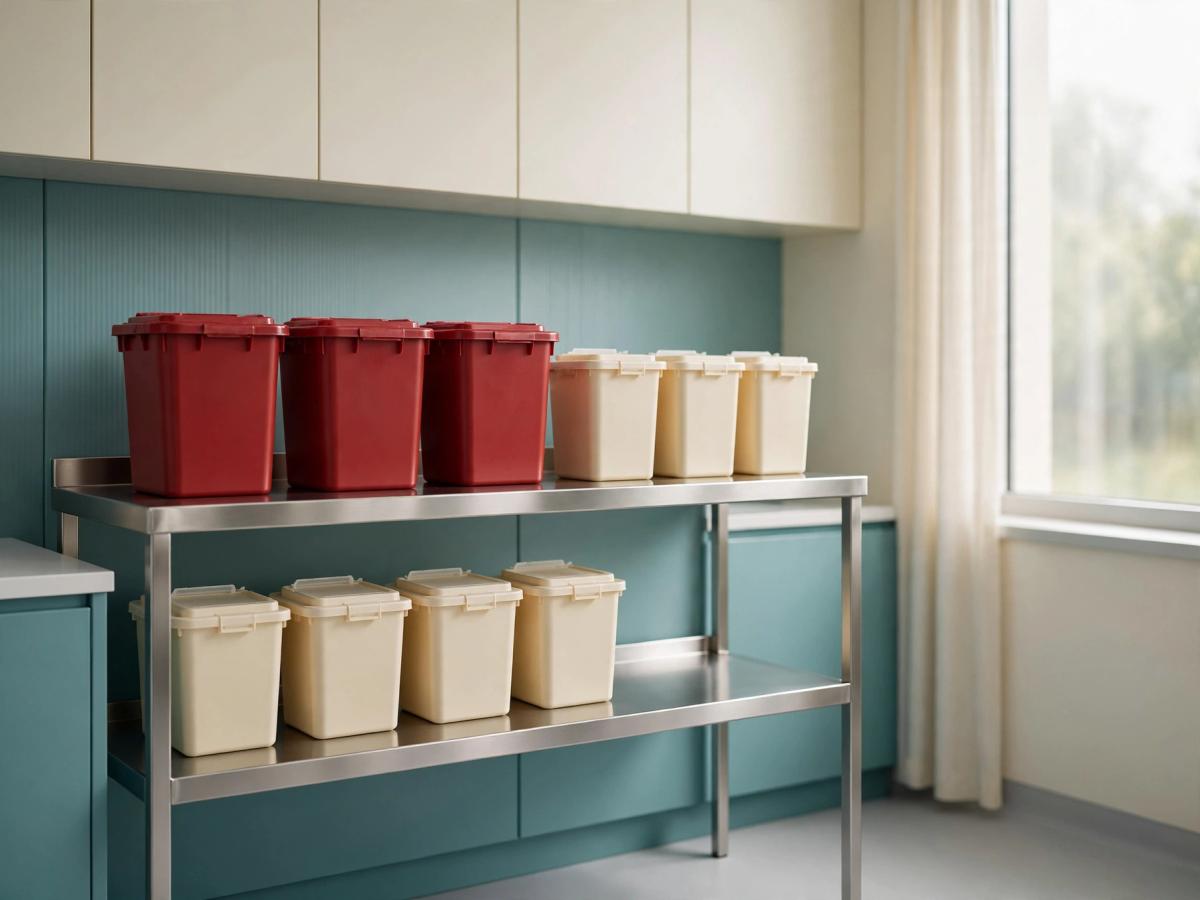
    These images are illustrative guide references, not a provider facility or customer scene.

    Clinical utility area with sealed containers and a closed equipment case, with no visible fluids.
    Sealed containers and a closed equipment case in a clinical utility area. Illustrative guide image, not a provider facility or customer scene.
    Sealed red and neutral clinical waste containers arranged on stainless steel shelving in a bright service room.
    Sealed clinical waste containers in a bright service room. Illustrative guide image, not a provider facility or customer scene.
    Sunlit clean interior with discreet air filtration and sealed equipment.
    A clean interior with discreet filtration and sealed equipment. Illustrative guide image, not a provider facility or customer scene.

    Start here

    When blood-contaminated waste disposal may fit

    A facility may need collection for blood-contaminated dressings, absorbent materials, disposable protective items, or other contained waste. A household, property manager, workplace, vehicle owner, or public facility may also have a one-time material request after an injury or event.

    The material can be dry or wet, contained or loose, mixed with sharps, or connected to surfaces that also require cleaning. That distinction matters because a waste pickup does not automatically include scene assessment, disinfection, porous-material removal, odor work, or structural restoration.

    Biohazard Cleanup Connect is an independent referral hub. It does not collect or dispose of blood-contaminated waste and does not decide whether a material is regulated under the rules that apply to your location.

    Use the details you know

    Describe the material and the surrounding scene

    The examples below help distinguish a collection request from a broader cleanup. Do not handle material or inspect hidden areas to answer them.

    Describe the material and the surrounding scene
    SituationWhat a provider may clarify
    Sealed blood-contaminated bags or absorbent materials need pickupSource, container type, condition, volume, access, one-time or recurring pattern, and whether the provider accepts that material.
    Wet, leaking, or loose blood-contaminated waste is presentLocation, access control, visible leakage, nearby people or pets, and whether a specific incident or cleanup response is needed.
    Sharps may be mixed with the blood-contaminated materialWhether any sharp is loose or contained, what the provider handles, and which safe isolation or authority direction applies.
    Blood affected a room, vehicle, floor, furniture, or other surfaceWhether the request includes cleaning, disinfection, porous-material removal, odor work, restoration, and separate disposal.
    A clinic, office, or facility needs a recurring routeGenerator type, waste category, container and storage requirements, volume, route frequency, records, and access schedule.

    Before you call

    What to know before a provider conversation

    Limit exposure and describe the situation from a safe position. Do not turn a waste request into a hands-on cleanup attempt.

    • Keep people and pets away from the material and restrict access to the storage or affected area.
    • Do not touch loose material, leaking bags, or possible sharps, and do not press down or repackage the waste.
    • Do not use household cleaners, pour liquid into a drain, or move material from a scene into another container.
    • Note the source, setting, approximate amount, moisture or leakage, container condition, and access limits without handling it.
    • If there is an exposure, serious injury, fire, active release, violence, or immediate danger, leave and call 911.

    Provider conversation

    Questions for a blood-waste provider

    Ask the independent provider to separate collection from surface cleanup and to state what it can handle before you authorize access.

    • Confirm whether the provider handles sealed, loose, wet, leaking, mixed, or sharps-containing blood-contaminated waste.
    • Ask about containers, closure, labels, storage, pickup or exchange, one-time service, recurring routes, and access.
    • Clarify whether cleaning, disinfection, porous-material removal, odor work, vehicle work, or restoration is separate.
    • Review manifests, receipts, disposal records, or other documentation that is included or required for the material.
    • Discuss who controls the property or vehicle and how occupants, tenants, staff, or customers will be kept away.
    • Confirm credentials, permits, pricing, timing, coverage, and limitations for the provider and location.
    Referral process

    How a blood-waste referral works

    A phone inquiry can ask about a possible provider connection, but no referral or service is guaranteed. An independent provider confirms whether its scope covers collection, cleanup, or a separate combination.

    1. 1

      Describe the source and setting safely

      If you choose to call, describe only safe facts: ZIP code, property or facility type, material condition, container status, access, and whether a surface or room may also be affected. Do not touch the material.

    2. 2

      A provider separates the scope

      An independent provider may ask about moisture, leakage, sharps, volume, access, cleaning, disinfection, disposal, and recurring needs.

    3. 3

      Review the provider's terms

      The provider confirms its own scope, pricing, timing, credentials, containers, records, disposal arrangements, and limitations before work begins.

    Questions people ask

    Practical questions before you call

    Is blood-contaminated waste disposal the same as blood cleanup?

    No. Disposal concerns contained material, while cleanup can involve rooms, vehicles, surfaces, porous items, disinfection, odor, or restoration. Tell the provider if both needs are present so it can confirm the right scope.

    Can a provider collect a one-time household request?

    Some providers focus on facility routes, while others may discuss one-time residential or property requests. Share the source, material condition, amount, setting, and location so the provider can confirm whether it handles the request.

    What if the waste is wet or leaking?

    Do not touch, move, wipe, or repackage it. Restrict access from a safe position and contact the responsible provider or authority for direction. Call 911 for an active exposure or immediate danger.

    What if there may be a needle in the waste?

    Tell the provider that a sharp may be present and do not reach into or sort the material. Keep the area isolated and ask which provider or authority should direct the next step.

    Will the provider remove contaminated furniture or porous materials?

    Some providers may discuss removal within a confirmed cleanup scope, while others may require a separate restoration or disposal service. Do not move the item yourself. Ask what inspection, removal, cleaning, and disposal include.

    Does Biohazard Cleanup Connect guarantee a disposal route?

    No. Biohazard Cleanup Connect is a referral hub and does not collect, transport, treat, or dispose of waste. The independent provider confirms its own scope, requirements, records, timing, pricing, and limitations.

    Phone inquiry

    Call to ask about a possible provider connection.

    Biohazard Cleanup Connect is an independent information and referral hub, not a cleanup contractor. A call is an inquiry, not a booking or guarantee of a response, referral, or service.

    • If you choose to call, share only safe, general details you already know. Do not inspect or handle material to prepare.
    • Independent providers confirm their own availability, work scope, pricing, timing, credentials, permits, and records directly.
    • This number is not for emergencies. Call 911 for active danger or a medical emergency.
    Call (786) 628-8505

    We are paid a referral fee for qualified calls. You do not pay us for the call.