Independent referral hub · Provider availability varies by location
    Branch 1 · Biohazard Waste Disposal

    A practical guide for red-bag programs and facility collection

    Regulated Medical Waste/Red Bag Waste CollectionA practical guide

    Red-bag waste is a common service label, but a red bag alone does not establish a universal legal classification or disposal path. This guide covers segregation, labeling, storage, scheduled routes, one-time requests, records, and the provider questions that help a facility define its actual stream.

    Call (786) 628-8505

    We are paid a referral fee for qualified calls. You do not pay us for the call.

    Read the guide

    A phone call is an inquiry, not a booking or guarantee of a response, referral, or service. Any independent provider involved confirms its own availability, scope, pricing, timing, credentials, permits, and applicable requirements directly.

    A bag color is not a classification

    The material, generator, containment, storage, transport, and local requirements determine what collection can look like.

    Visual reference

    Understand the setting without graphic detail.

    These images are illustrative guide references, not a provider facility or customer scene.

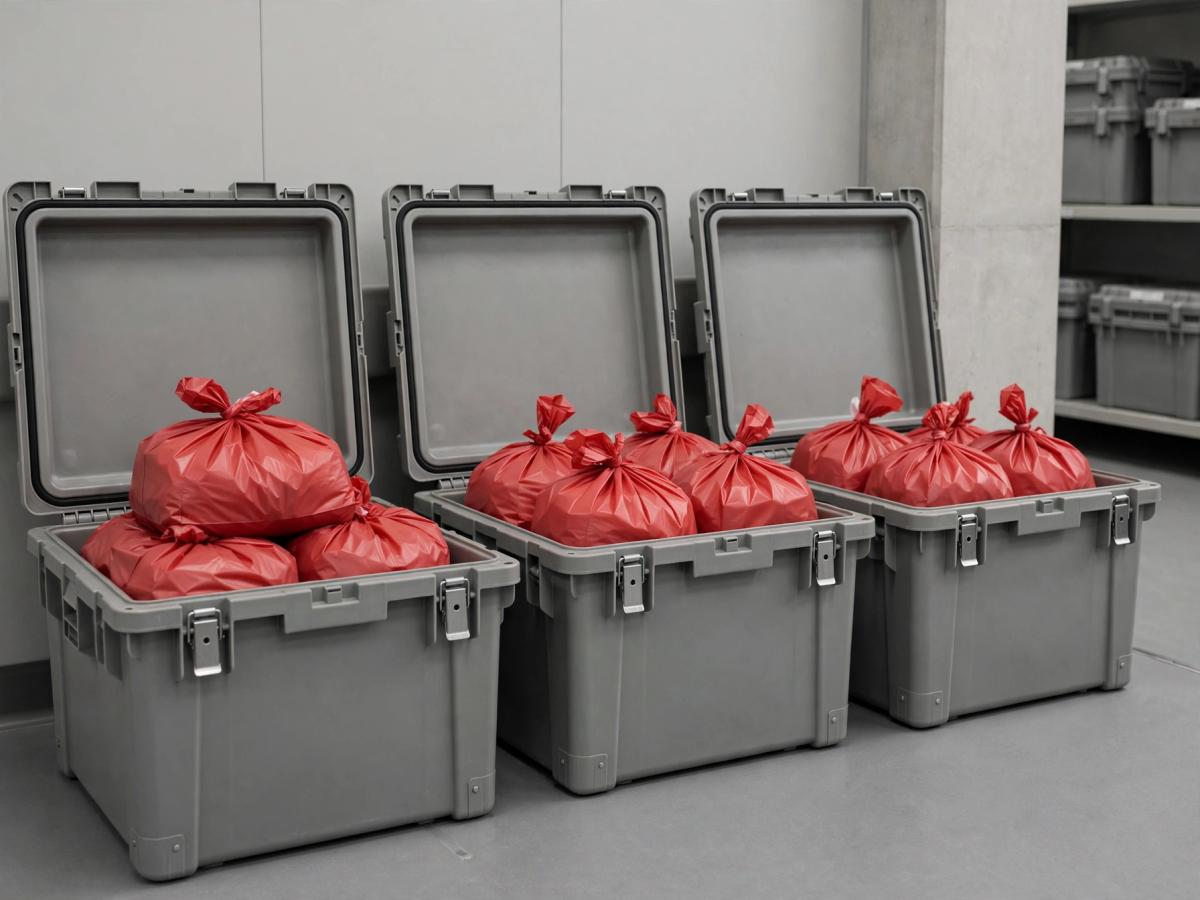
    Tied red collection bags secured inside rigid closed containers for regulated medical waste handling.
    Tied red collection bags inside rigid closed transport containers. Illustrative guide image, not a provider facility or customer scene.
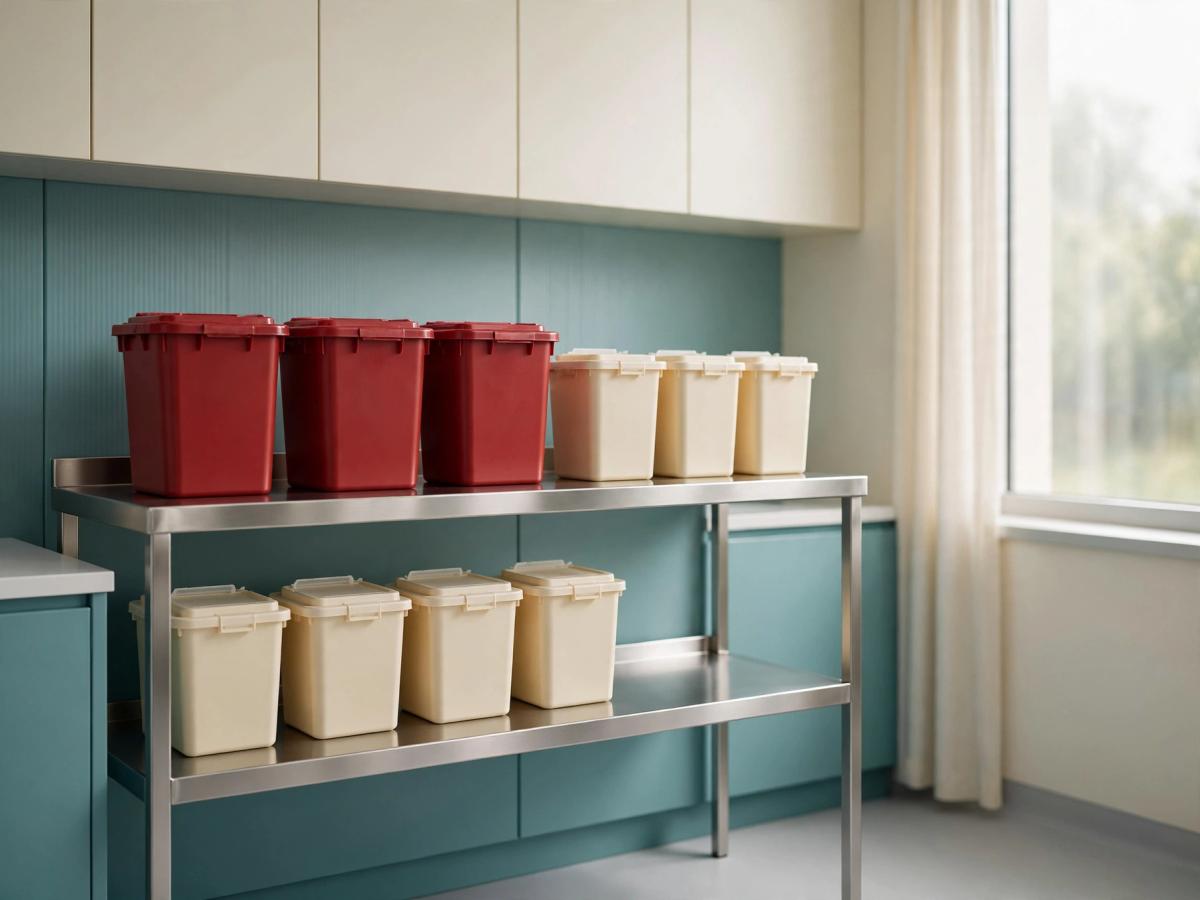
    Sealed red and neutral clinical waste containers arranged on stainless steel shelving in a bright service room.
    Sealed clinical waste containers in a bright service room. Illustrative guide image, not a provider facility or customer scene.
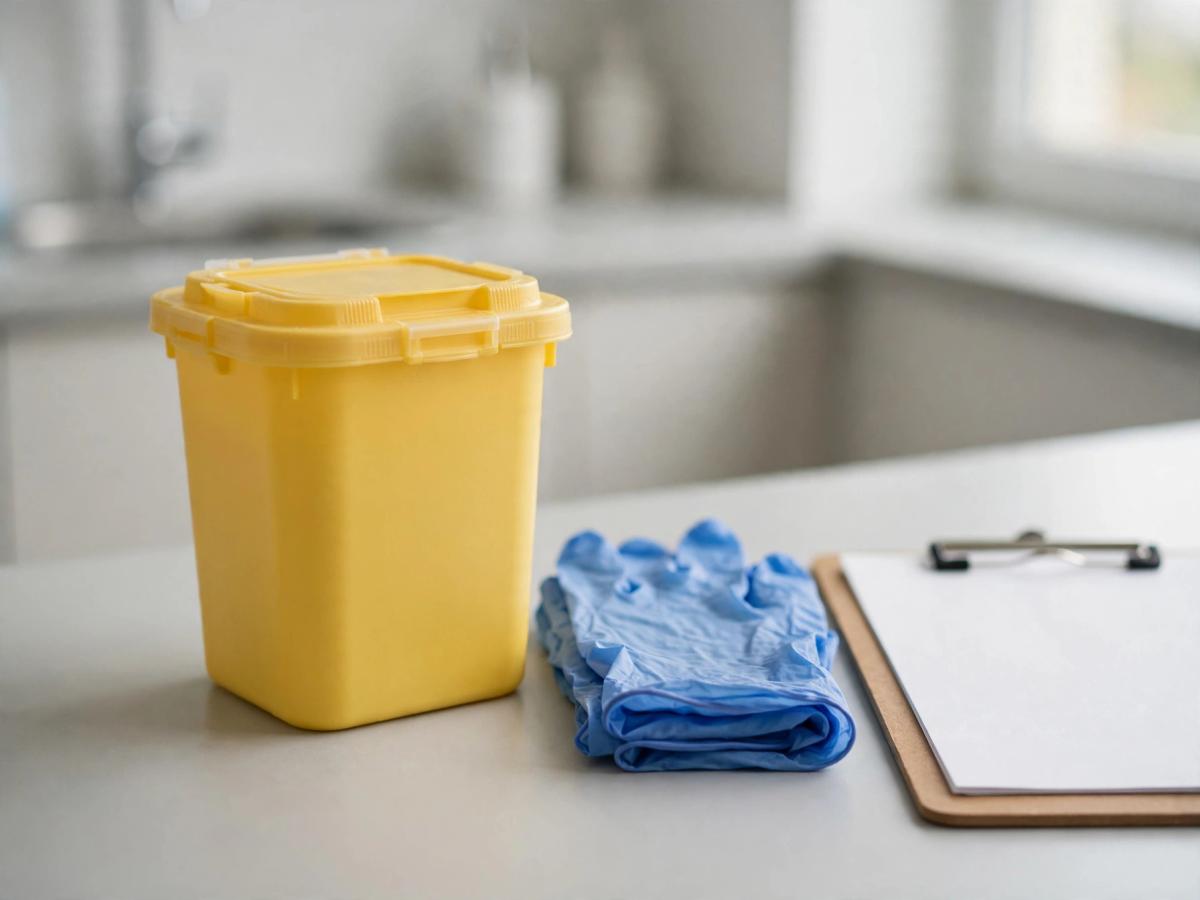
    Closed puncture-resistant sharps container beside protective gloves and a clipboard, with no exposed needles.
    A closed sharps container with protective supplies. Illustrative guide image, not a provider facility or customer scene.

    Start here

    How to think about red-bag waste collection

    Healthcare practices, laboratories, outpatient facilities, dental offices, veterinary facilities, and other generators may use red bags as part of an internal segregation system. The material inside may still need to be classified under facility, state, local, or provider requirements before collection.

    A collection program may include approved containers, labels, storage limits, scheduled routes, emergency or one-time discussions, manifests, receipts, and treatment or disposal arrangements. The exact service varies by stream and jurisdiction.

    Do not add ordinary trash, loose sharps, medications, chemicals, or unknown materials because a red bag is available. Biohazard Cleanup Connect is an independent referral hub and does not collect, transport, treat, or dispose of red-bag waste directly.

    Use the details you know

    Separate the service label from the actual stream

    These examples help a facility describe its needs. The provider and responsible authority confirm which materials belong in which collection path.

    Separate the service label from the actual stream
    SituationWhat a provider may clarify
    A practice wants a recurring red-bag routeGenerator type, actual contents, bag or container standard, storage area, expected volume, pickup frequency, and documentation needs.
    Red bags contain mixed ordinary trash and potentially regulated materialsWhat was placed inside, whether sharps, liquids, medications, or chemicals are present, and which segregation or authority guidance applies.
    The facility needs an urgent or one-time pickupMaterial category, bag and container condition, access, volume, reason for the request, and whether the provider offers that service in the location.
    Bags are stored in a room before the scheduled routeClosure, labeling, temperature or access considerations, storage duration, leak controls, and what to do if a bag is damaged.

    Before you call

    What to know before a provider conversation

    Use the facility's existing safety and waste procedures while you gather safe administrative details. Do not open or sort bags to improve the estimate.

    • Keep waste in the designated controlled area and limit access to trained, authorized personnel.
    • Do not press down, open, sort, rebag, or transfer red-bag contents to another container.
    • Do not assume red bags make ordinary trash, sharps, medications, chemicals, or liquids acceptable for the same route.
    • Record the facility type, approximate volume, visible container issues, route needs, and the material source from a safe position.
    • For a leak, exposure, fire, active release, serious injury, or immediate danger, follow emergency procedures and call 911 when appropriate.

    Provider conversation

    Questions for a red-bag collection provider

    Providers may define red-bag service differently. Ask for a clear description of accepted contents, containers, storage, routes, records, and exclusions.

    • Ask the provider to identify which material categories and generator types it accepts under the proposed service.
    • Confirm bag or container size, closure, labeling, storage, exchange, route frequency, and access requirements.
    • Discuss one-time or urgent collection separately from routine routes and ask what timing the provider can actually confirm.
    • Review manifests, receipts, treatment or disposal records, and the facility's responsibilities for retention.
    • Clarify separate handling for sharps, medications, chemicals, liquids, pathological materials, and room or surface contamination.
    • Confirm the provider's own permits, credentials, pricing, methods, coverage, and limitations for the jurisdiction.
    Referral process

    How a red-bag collection referral works

    A phone inquiry does not certify a bag, waste stream, route, or disposal outcome, and it does not guarantee a response or provider. Any independent provider confirms what it accepts and handles.

    1. 1

      Prepare facility details for a call

      If you choose to call, describe only safe, known details: ZIP code, facility type, service pattern, approximate volume, container condition, and general record or timing needs. Do not open or handle a bag to prepare.

    2. 2

      A provider confirms the category

      An independent provider may ask about contents, segregation, storage, access, pickup frequency, and applicable facility or jurisdiction requirements.

    3. 3

      Review the route and records

      The provider explains its own scope, pricing, timing, containers, transport, treatment or disposal arrangements, and documentation before you proceed.

    Questions people ask

    Practical questions before you call

    Does putting waste in a red bag make it regulated medical waste?

    No. A red bag may be part of a facility's segregation practice, but the bag color alone does not determine a universal legal classification or disposal path. The material, source, generator, container, and applicable requirements must be confirmed.

    What belongs in a red-bag collection route?

    Accepted contents vary by provider, facility protocol, material, and jurisdiction. Ask the provider to identify accepted categories and exclusions, especially for sharps, liquids, medications, chemicals, pathological materials, and ordinary trash.

    Can a provider collect red bags on a recurring schedule?

    Some independent providers offer recurring routes for specific generators and volumes. Share the facility type, location, estimated volume, storage situation, and preferred frequency so the provider can confirm the route.

    What if a red bag is leaking or overfilled?

    Do not open, press down, or repackage it. Restrict access, follow the facility's incident procedure, and contact the responsible lead, provider, or authority for direction. Call 911 for an active exposure or immediate danger.

    Will red-bag collection include manifests?

    The provider can explain which manifest, receipt, treatment, or disposal records it supplies for the agreed stream and service. Do not assume a record is included until the provider confirms its contents and delivery.

    Does red-bag collection include cleaning a storage room?

    Usually, collection and room cleaning are separate questions. Tell the provider if a leak, surface contamination, odor, or structural issue is also present so it can confirm whether another cleanup scope is needed.

    Phone inquiry

    Call to ask about a possible provider connection.

    Biohazard Cleanup Connect is an independent information and referral hub, not a cleanup contractor. A call is an inquiry, not a booking or guarantee of a response, referral, or service.

    • If you choose to call, share only safe, general details you already know. Do not inspect or handle material to prepare.
    • Independent providers confirm their own availability, work scope, pricing, timing, credentials, permits, and records directly.
    • This number is not for emergencies. Call 911 for active danger or a medical emergency.
    Call (786) 628-8505

    We are paid a referral fee for qualified calls. You do not pay us for the call.