Independent referral hub · Provider availability varies by location
    Branch 1 · Biohazard Waste Disposal

    A safety-first guide for homes, clinics, practices, and facilities

    Sharps & Needle DisposalA practical guide

    Sharps and needle disposal depends on whether the item is loose, contained, full, damaged, or part of a recurring facility stream. This guide helps you describe the situation and ask about containers, pickup, exchange, and exposure response without handling the sharp yourself.

    Call (786) 628-8505

    We are paid a referral fee for qualified calls. You do not pay us for the call.

    Read the guide

    A phone call is an inquiry, not a booking or guarantee of a response, referral, or service. Any independent provider involved confirms its own availability, scope, pricing, timing, credentials, permits, and applicable requirements directly.

    Leave loose sharps alone

    A sealed sharps container and a loose needle are different requests. The provider must confirm the safe collection path for each situation.

    Visual reference

    Understand the setting without graphic detail.

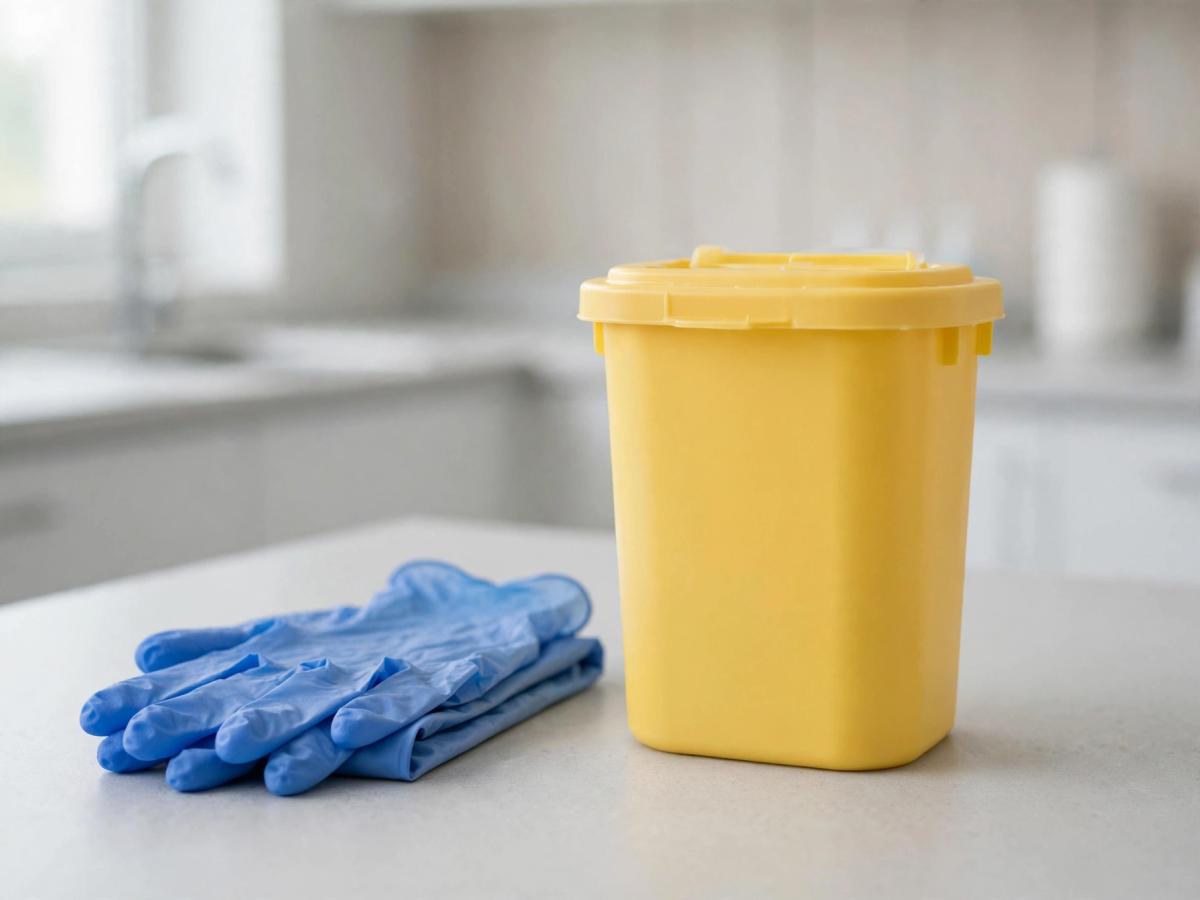
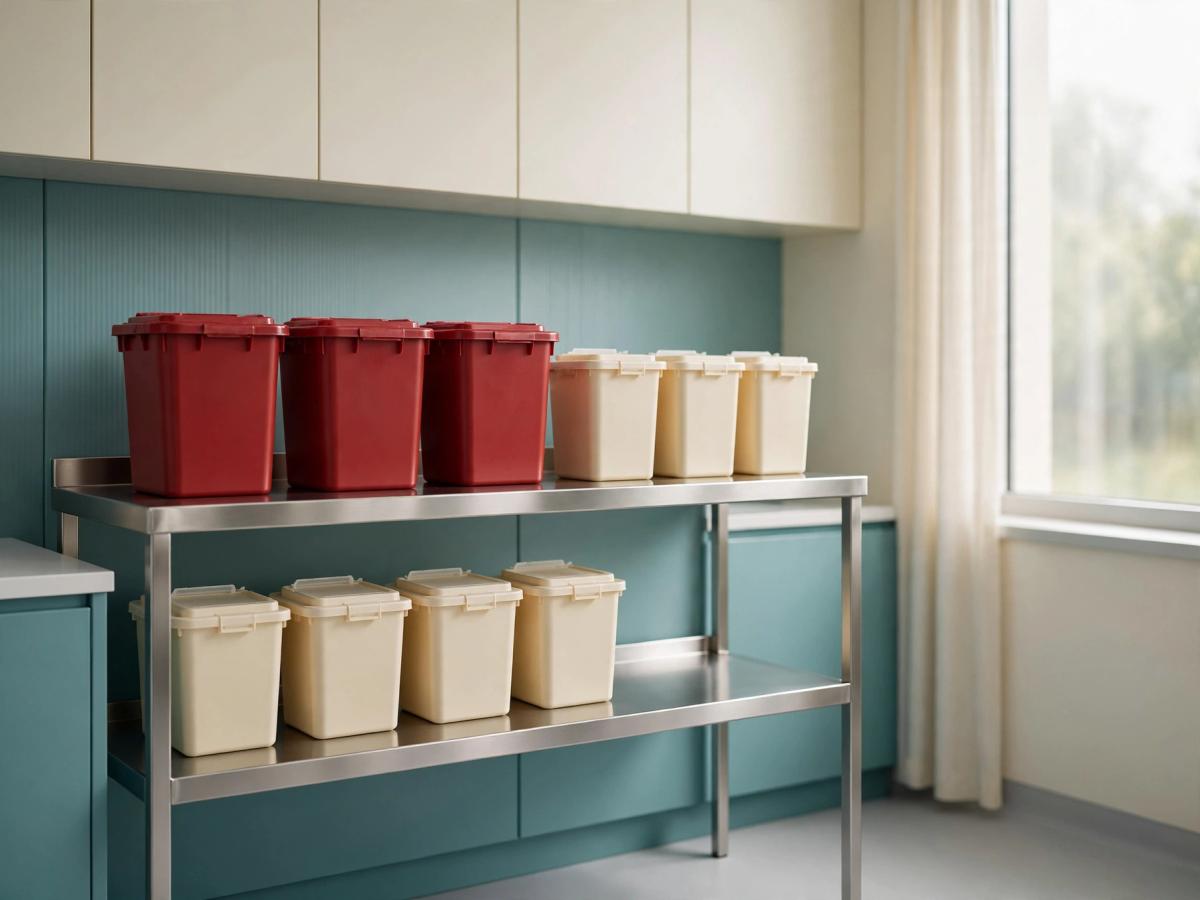
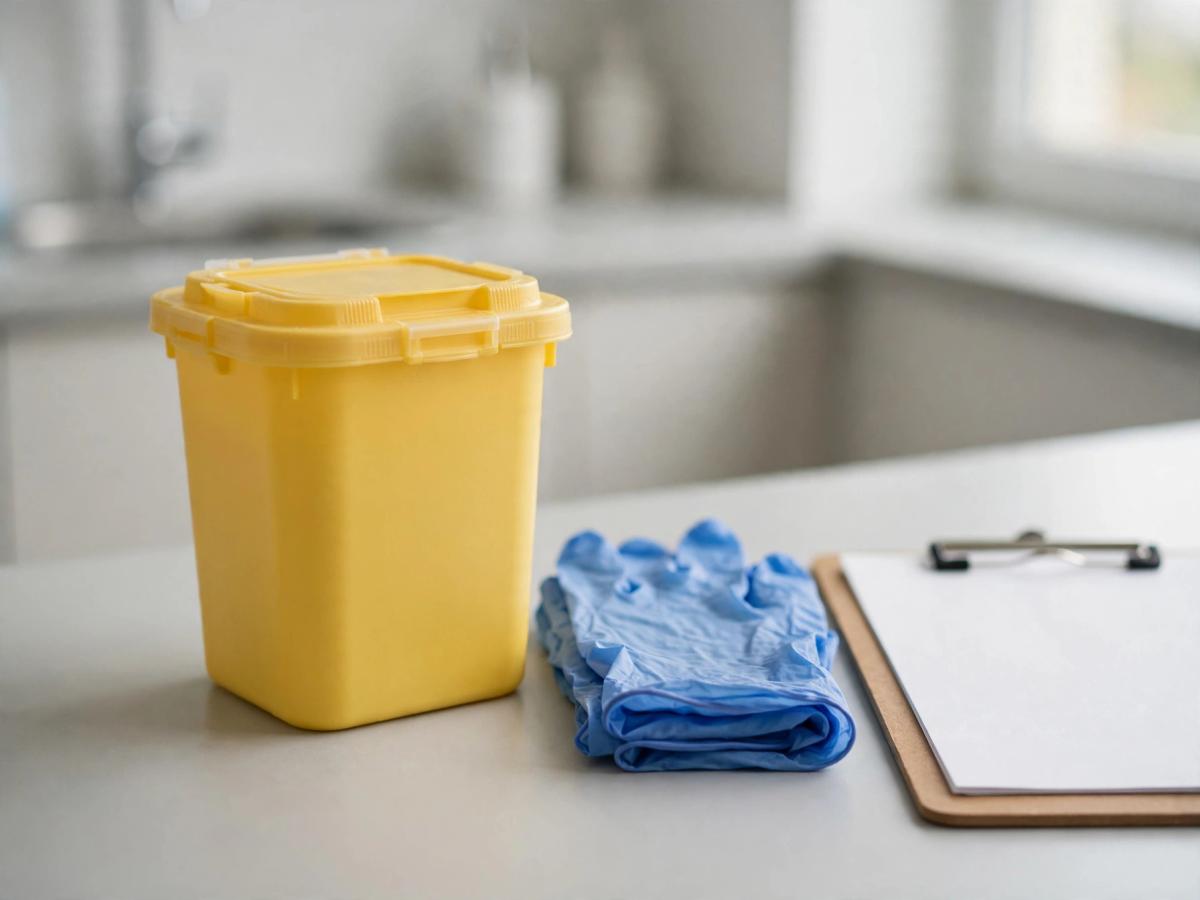
    These images are illustrative guide references, not a provider facility or customer scene.

    Securely closed puncture-resistant sharps container beside folded protective gloves, with no exposed needles.
    A closed puncture-resistant sharps container with protective gloves. Illustrative guide image, not a provider facility or customer scene.
    Sealed red and neutral clinical waste containers arranged on stainless steel shelving in a bright service room.
    Sealed clinical waste containers in a bright service room. Illustrative guide image, not a provider facility or customer scene.
    Closed puncture-resistant sharps container beside protective gloves and a clipboard, with no exposed needles.
    A closed sharps container with protective supplies. Illustrative guide image, not a provider facility or customer scene.

    Start here

    When sharps and needle disposal may be needed

    Households may encounter a discarded needle, while clinics, dental practices, veterinary offices, laboratories, and other facilities may produce a recurring stream of needles, lancets, blades, or other sharps. A provider may handle a sealed container, exchange a full container, or discuss a specialized response to a loose item.

    Container placement and closure matter. A puncture-resistant container that is accepted for the setting is different from a household box, bag, or improvised package. Do not recap, bend, sort, press down, or repackage a loose sharp to make the request easier.

    Biohazard Cleanup Connect is an independent referral hub, not a sharps collector or medical-response service. If a needlestick or exposure has occurred, seek emergency or urgent medical care and follow the responsible medical or public-health guidance.

    Use the details you know

    First distinguish loose items from containers

    Use the table to describe the request from a safe position. Do not inspect, move, or open a sharp or container to answer these questions.

    First distinguish loose items from containers
    SituationWhat a provider may clarify
    A loose needle or sharp is visible in a home, vehicle, or public areaExact location, access control, nearby people or pets, whether the item is mixed with other material, and whether a local authority has a specific response path.
    A sealed sharps container is full or ready for exchangeContainer type, closure, condition, generator or household setting, pickup or exchange options, and whether the provider accepts that container.
    A clinic or practice needs recurring sharps collectionGenerator type, container sizes, placement, storage, estimated volume, route frequency, records, and schedule changes.
    A container is damaged, leaking, overfilled, or cannot be closedWhat is visible without touching it, where it is stored, who can isolate the area, and which provider or authority should direct the next step.
    A needlestick or possible exposure has occurredSeek emergency or urgent medical care and follow exposure guidance first. A later disposal referral does not replace medical assessment.

    Before you call

    What to know before a provider conversation

    The safest first step is to create distance and describe what you can see. Handling the item can turn a disposal question into an injury.

    • Keep people and pets away from the area and close or restrict access without approaching the sharp.
    • Do not pick up, recap, bend, break, sort, sweep, vacuum, or repackage a loose needle or sharp.
    • Do not press down or reach into a container, bag, box, vehicle compartment, or pile that may contain sharps.
    • From a safe position, note the setting, location, container condition, and who can authorize access.
    • If a needlestick or exposure occurred, seek emergency or urgent medical care and follow the appropriate exposure instructions.

    Provider conversation

    Questions for a sharps provider

    Collection and exchange options vary by setting, container, material, and jurisdiction. Ask the independent provider to state its limits before anyone moves the item.

    • Confirm whether the provider accepts loose sharps, sealed containers, full containers, damaged containers, or only recurring facility routes.
    • Ask which container type, closure, label, storage location, and pickup or exchange procedure it requires.
    • Clarify whether the provider supplies containers, exchanges them, or expects the generator to obtain an approved container.
    • Discuss one-time residential or public-area requests separately from a clinic, dental, veterinary, or laboratory route.
    • Ask what records, receipts, manifests, or disposal documentation are included for the service.
    • Confirm the provider's own credentials, pricing, timing, coverage, and limitations before authorizing collection.
    Referral process

    How a sharps referral works

    A phone inquiry is not emergency medical help and does not guarantee a provider or collection. For exposure or injury, seek medical care; an independent provider confirms its own handling scope.

    1. 1

      Describe the item from a safe distance

      If you choose to call, describe only what you can see from a safe distance: ZIP code, setting, approximate location, container status, access limits, and whether anyone has been injured or exposed. Never pick up or move a sharp.

    2. 2

      A provider confirms the path

      An independent provider may ask about loose versus sealed material, container type, volume, access, pickup pattern, and local requirements.

    3. 3

      Follow the confirmed instructions

      The provider states its own scope, timing, pricing, credentials, records, and safe access plan before you authorize the work.

    Questions people ask

    Practical questions before you call

    What should I do if I find a loose needle?

    Do not pick it up, recap it, bend it, sweep it, vacuum it, or put it into a container yourself. Keep people and pets away, restrict access from a safe position, and contact an appropriate local authority or provider for direction.

    Can I put a needle in a household bottle or box?

    Do not repackage a loose needle or assume a household container is accepted. A provider or responsible authority can confirm the correct container and collection path for the setting.

    How do full sharps containers get collected?

    Some providers exchange or collect closed containers, while others serve only particular generators or routes. Ask about accepted container types, closure, labels, storage, pickup frequency, and the records you receive.

    Do homes and clinics use the same sharps service?

    Not always. Household, clinic, dental, veterinary, laboratory, and public-area requests may follow different container, access, volume, and documentation requirements. Describe the setting so the provider can confirm fit.

    What should I do after a needlestick?

    Seek emergency or urgent medical care and follow the appropriate exposure guidance. Disposal planning can happen afterward. A phone inquiry does not assess exposure or replace medical care.

    Does Biohazard Cleanup Connect pick up needles?

    No. Biohazard Cleanup Connect is a referral hub and does not collect sharps or provide medical response. An independent provider must confirm whether it handles the item, setting, container, and location.

    Phone inquiry

    Call to ask about a possible provider connection.

    Biohazard Cleanup Connect is an independent information and referral hub, not a cleanup contractor. A call is an inquiry, not a booking or guarantee of a response, referral, or service.

    • If you choose to call, share only safe, general details you already know. Do not inspect or handle material to prepare.
    • Independent providers confirm their own availability, work scope, pricing, timing, credentials, permits, and records directly.
    • This number is not for emergencies. Call 911 for active danger or a medical emergency.
    Call (786) 628-8505

    We are paid a referral fee for qualified calls. You do not pay us for the call.