Skip to content
    Independent information and referral hub
    A practical guide for families and property owners

    Crime Scene Cleanup: What Happens and Who to Call

    Who cleans up blood from a crime scene? Independent, specially trained biohazard cleanup companies, rather than police or family members, handle crime scene cleanup. A call can connect you with one that serves your area.

    Call (786) 628-8505 to talk through your situation. Your call is forwarded through our referral partner to a call center, available 24/7. The call center asks for the ZIP code where you need the cleanup and connects you to a biohazard cleanup company that serves that area. We are a referral service, not a cleanup company. Calls may be recorded. If anyone is in danger or hurt, call 911 first.

    Call (786) 628-8505

    We are paid a referral fee for qualified calls. You do not pay us for the call.

    Service depends on your ZIP code; in some areas we may not be able to connect you.

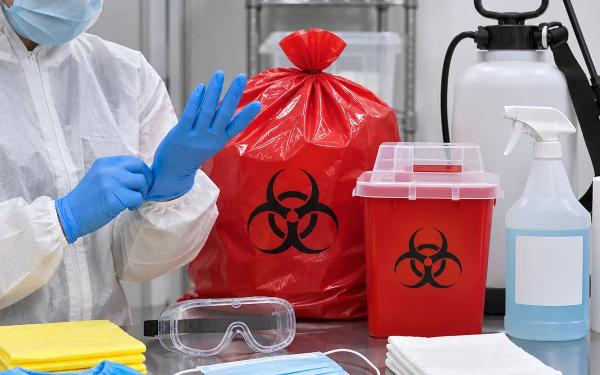
    Trained provider preparing for crime scene cleanup
    Illustrative only. This image does not depict a specific property or a referred provider.
    Understanding the work

    What crime scene cleanup involves

    Crime scene cleanup is the professional removal, disposal, and disinfection of blood, bodily fluids, and other biological material left behind after a violent crime, a death, or another traumatic event at a property. It is also called trauma scene cleanup. The companies that do it are sometimes called crime scene cleaners, a phrase that also appears in job listings. This guide is for people looking to hire a crime scene cleanup service or crime scene cleanup company.

    This work goes beyond ordinary cleaning. Blood and other body fluids can carry bloodborne pathogens and may travel into carpet, subfloor, grout, drywall, or upholstery, sometimes beyond the visible area. A trained provider assesses what can be seen and where material may have spread, then proposes appropriate removal, disposal, and disinfection. The work and the waste requirements depend on the materials and the circumstances.

    Pathogens can remain infectious outside the body for a period of time. For example, the CDC notes that hepatitis B virus can remain infectious on surfaces for at least seven days. Organisms and conditions differ, but this illustrates why visible cleanliness alone does not establish that an affected area is safe to handle.

    What makes crime scene cleanup different from routine cleaning

    A standard cleaning service is built around everyday dirt and dust. Crime scene cleanup may involve potentially infectious material, protective equipment, and waste subject to specific handling rules. It can take place soon after a traumatic event.

    Ask how the provider protects occupants, contains the area, handles disposal, and treats belongings. Discuss how the team will conduct itself in the property before you authorize the work.

    Recognizing the situation

    When crime scene cleanup may be needed

    Trauma crime scene cleanup situations vary widely. A professional assessment may be appropriate after:

    • A violent crime, assault, or homicide at a home, apartment, or business where blood or other biological material remains after law enforcement has finished processing the scene.
    • A suicide or attempted suicide involving blood or bodily fluids. For someone experiencing a suicidal or mental health crisis, or a family member seeking help, the 988 Suicide and Crisis Lifeline is available any time: call or text 988.
    • An unattended or undiscovered death where decomposition has occurred and fluids or odor may have spread into surrounding materials.
    • A serious accident involving significant blood loss, whether at home or in a vehicle, beyond the scope of routine first-aid cleanup.
    • Another incident where law enforcement has processed the scene and released the area back to the property owner or family.

    Each situation can involve different materials, access requirements, and insurance considerations. Describe what you already know safely, and ask an independent provider how it would assess the situation.

    Scene release and access come first

    If anyone is in danger or there is a medical emergency, call 911 first. Cleanup should begin only after law enforcement or the responsible authority has released the scene and confirmed access is authorized. A medical examiner's release of a person is not the same thing as the property being released for cleanup. Confirm both before anyone enters to begin work.

    Until the scene is released, do not touch, move, or clean anything in the affected area. Leave belongings that may be part of an investigation where they are until the responsible authority says otherwise. Keep children, pets, and visitors away from an unsafe area. You can ask questions and make a phone inquiry from a safe place without entering or inspecting the scene.

    After the scene is released

    What an independent provider does

    Once access is authorized, a trained provider typically discusses the work and may arrange an assessment. The precise steps depend on the property, materials, and agreed scope:

    • Assessment. A walkthrough identifies visible contamination and where it may have migrated beneath flooring or into walls. Ask what the provider can determine before a quote and what might only become clear after work starts.
    • Containment. Barriers and, where needed, negative air pressure can help separate the affected area from the rest of the property. Ask how occupants and unaffected spaces will be protected during the work.
    • Removal and disposal. Affected materials may include flooring, drywall, or furniture. Some waste is regulated biomedical waste and must be contained, transported, and disposed of according to applicable rules. Not every affected item is classified the same way.
    • Cleaning and disinfection. The provider cleans affected surfaces and selects disinfectants appropriate for the materials and situation. Ask about EPA-registered products with relevant bloodborne-pathogen claims and their label directions, as well as the final inspection.
    • Odor treatment. Decomposition or prolonged exposure may require additional work on porous materials. The provider assesses this case by case; complete odor removal should not be promised before an assessment.
    • Documentation. Ask whether photos, an itemized scope, waste records, or other documentation are available for an insurance claim or, where relevant, an estate or legal process.

    For covered occupational exposure to human blood or other potentially infectious materials, OSHA's Bloodborne Pathogens Standard, 29 CFR 1910.1030, sets workplace protections including protective equipment and decontamination requirements. It is a workplace standard, not a certification of a particular provider.

    Regulated biomedical waste handling during crime scene cleanup
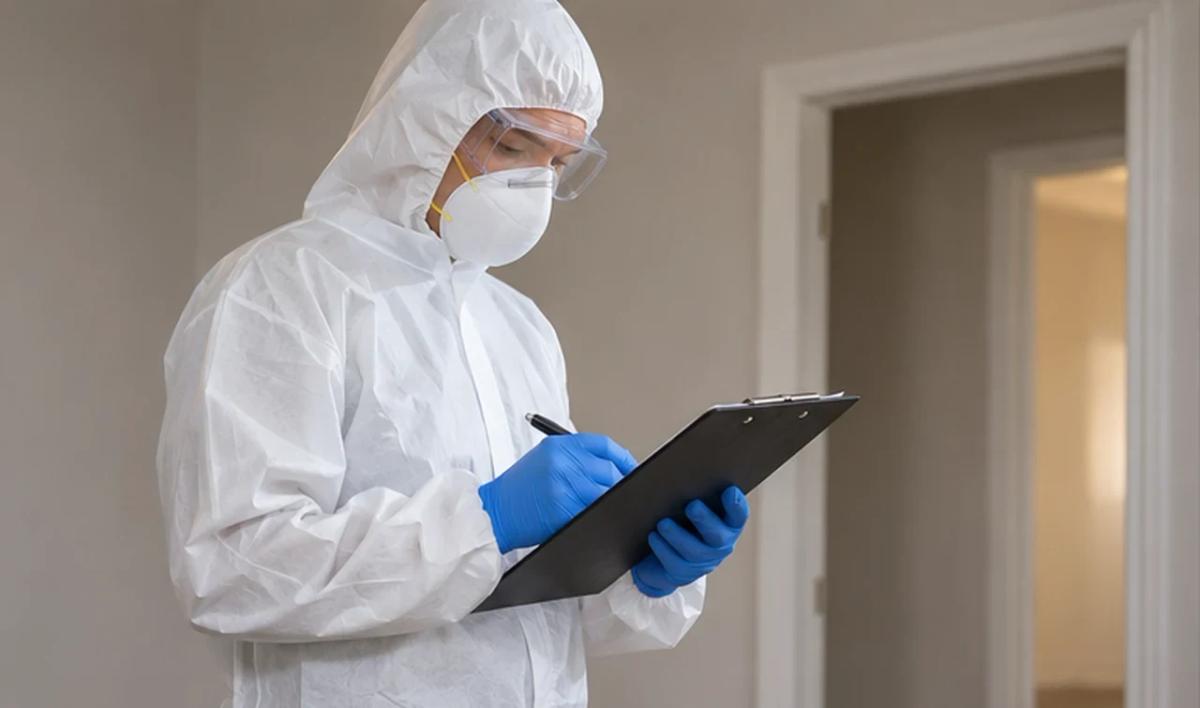
    Illustrative only. This image does not depict a specific property or a referred provider.
    Florida provider checks

    How to check a crime scene cleanup company in Florida

    Florida's Department of Health describes permitting trauma scene cleanup companies as biomedical waste generators and registering biomedical waste transporters. Generator permits and transporter registrations are separate. Applicable requirements and exceptions depend on the work and the waste. Ask the company which permit applies to its activity and who will transport any regulated biomedical waste, which may be a separate registered hauler.

    We do not check the companies your call reaches. Ask for the company's applicable DOH information and look at the Florida DOH Trauma Scene Clean-Up Providers list. DOH says entries without a four-digit number are not registered to transport biomedical waste. Inclusion is requested by owners; the list is not an endorsement of cleanup procedures, and a listing does not establish insurance, quality, or current availability.

    Registration is not the same as a generator permit, and Florida's biomedical waste rules include a limited transporter-registration exception for a generator moving less than 25 pounds of its own waste in its own vehicle on one occasion. Generator permit exemptions are separate. Confirm current status and the requirements for the actual arrangement with the county DOH when needed.

    Wherever you are, request proof of insurance and a written estimate before authorizing work. Ask what credentials apply to the particular services and jurisdiction. Ask for clarification before committing if an estimate or waste arrangement is unclear.

    Before authorizing work

    What to ask before you hire a provider

    Ask the provider to include clear answers in the estimate:

    • What are your applicable DOH permit and transporter registration details in Florida, or your applicable credentials elsewhere? Can I verify them? Can you provide proof of insurance?
    • What exactly is included in the written quote, and what would be billed separately? What happens if the scope changes after work starts?
    • How do you determine whether flooring, drywall, furniture, or other materials need to be removed rather than cleaned?
    • Roughly how long do you expect the work to take, and when can it begin after access is authorized?
    • Can you provide documentation or photos for an insurance claim, and who should request them?
    • How do you dispose of any biomedical waste? Is transport handled in-house or by a separate hauler, and what requirements apply?

    A written scope should identify affected spaces and who approves additional work. Confirm whether repairs or replacement are included; cleanup and restoration may be separate.

    Who pays for crime scene cleanup

    Costs and coverage vary by provider, location, and the extent of the work. This site does not quote prices or handle billing. Some homeowners insurance policies cover crime scene cleanup under certain conditions, and some providers can supply itemized documentation an insurer asks for.

    Ask your insurer about coverage, deductibles, and steps required before work begins. Ask the provider what it can document. The provider sets its own price and payment terms.

    Calling for help with crime scene cleanup after a difficult event
    Illustrative only. This image does not depict a specific property or a referred provider.
    Making an inquiry

    How a crime scene cleanup referral works

    A call to (786) 628-8505 is forwarded through our referral partner to a call center, available 24/7. The call center asks for the ZIP code where cleanup is needed and connects the call to an independent biohazard cleanup company that serves that area. The call center does not perform cleanup. Calls may be recorded.

    A call is an inquiry, not a booking or a guarantee of service. The independent provider can discuss the situation, ask follow-up questions, and, if appropriate, arrange an assessment. The provider confirms its own availability, scope, credentials, timing, and price. Coverage depends on ZIP code, and in some areas a connection may not be available.

    Share what you know without returning to an unsafe area. Tell the provider whether the scene has been released and who can authorize access. Read how the referral process works.

    Local information

    Crime scene cleanup near you

    If you are searching for crime scene cleanup near me or crime scene cleaners near me, a call can connect you with an independent provider serving your ZIP code when one is available. Coverage depends on location, and in some areas we may not be able to connect you. A local guide does not guarantee provider availability.

    Explore our Florida area-specific crime scene cleanup guides below. Wherever you are searching from, ask about applicable registrations or credentials, proof of insurance, and a written estimate before confirming any work.

    Explore related guides

    Questions about access, affected materials, and scope vary. Explore a specific guide, or read Biohazard Cleanup: What It Is and Who to Call for the broader category.

    Questions families ask

    Frequently asked questions

    Can cleanup begin before the scene is released?

    No. Follow law enforcement's or the responsible authority's direction until the scene is released and access is authorized. A medical examiner's release of a person does not by itself clear the property.

    Does a family member need to be present during cleanup?

    That is generally up to the family and the provider to arrange between themselves; it is not necessarily required. Discuss access and any questions about belongings before work begins.

    What if contamination extends under flooring, walls, or other materials?

    Contamination can travel into materials beyond the visible area, which is why an assessment matters. Ask the provider how they determine the extent, what they can establish before quoting, and how changes in scope will be approved if concealed material is discovered.

    Does crime scene cleanup include personal belongings?

    Sometimes, depending on the scope agreed with the provider. Do not move or discard items in the affected area yourself. Let the provider and the responsible authority guide what happens to them.

    Can a landlord or property manager call to ask about a possible referral?

    Yes. A landlord, property manager, family member, or another person may call to discuss a possible referral. Before work begins, confirm who is authorized to arrange it and grant access to the property.

    Is odor removal guaranteed?

    No provider should promise complete odor removal before assessing the space. The scope depends on the materials affected, how long contamination was present, and what work is agreed.

    Will insurance pay for crime scene cleanup?

    It depends on the policy and circumstances. Confirm directly with your insurer, and ask the provider what documentation it can supply to support a claim.

    How is crime scene cleanup different from general biohazard cleanup?

    Biohazard cleanup is the broader category. It covers professional handling of biological material in a range of circumstances. Crime scene cleanup refers to work following a violent crime or a scene law enforcement has processed, often with additional questions about scene release and documentation.

    Do I need a police report or case number to hire a provider?

    Not necessarily, though having one on hand can help if you plan to file an insurance claim or need to confirm the scene has been officially released. A provider can discuss what is needed for your situation.

    When you are ready

    Talk through the next step.

    Call (786) 628-8505 to talk through your situation. Your call is forwarded through our referral partner to a call center, available 24/7. The call center asks for the ZIP code where you need the cleanup and connects you to a biohazard cleanup company that serves that area. We are a referral service, not a cleanup company. Calls may be recorded. If anyone is in danger or hurt, call 911 first.

    Call (786) 628-8505

    We are paid a referral fee for qualified calls. You do not pay us for the call.

    Service depends on your ZIP code; in some areas we may not be able to connect you.