Independent referral hub · Provider availability varies by location
    Branch 3 · Specialty/Extended Remediation

    An incident-specific guide for workplaces, facilities, warehouses, and laboratories

    Industrial/Chemical Incident CleanupA practical guide

    Industrial and chemical incidents require an incident-specific assessment, not a generic cleanup promise. This guide helps facility owners, managers, safety teams, and property decision-makers organize questions about emergency response, site control, SDS or material identification, reporting, industrial hygiene, testing, waste classification, disposal, and clearance.

    Call (786) 628-8505

    We are paid a referral fee for qualified calls. You do not pay us for the call.

    Read the guide

    A phone call is an inquiry, not a booking or guarantee of a response, referral, or service. Any independent provider involved confirms its own availability, scope, pricing, timing, credentials, permits, and applicable requirements directly.

    Site control before cleanup

    A referral cannot determine safe re-entry. Emergency response, material identification, authority direction, and qualified assessment come first.

    Visual reference

    Understand the setting without graphic detail.

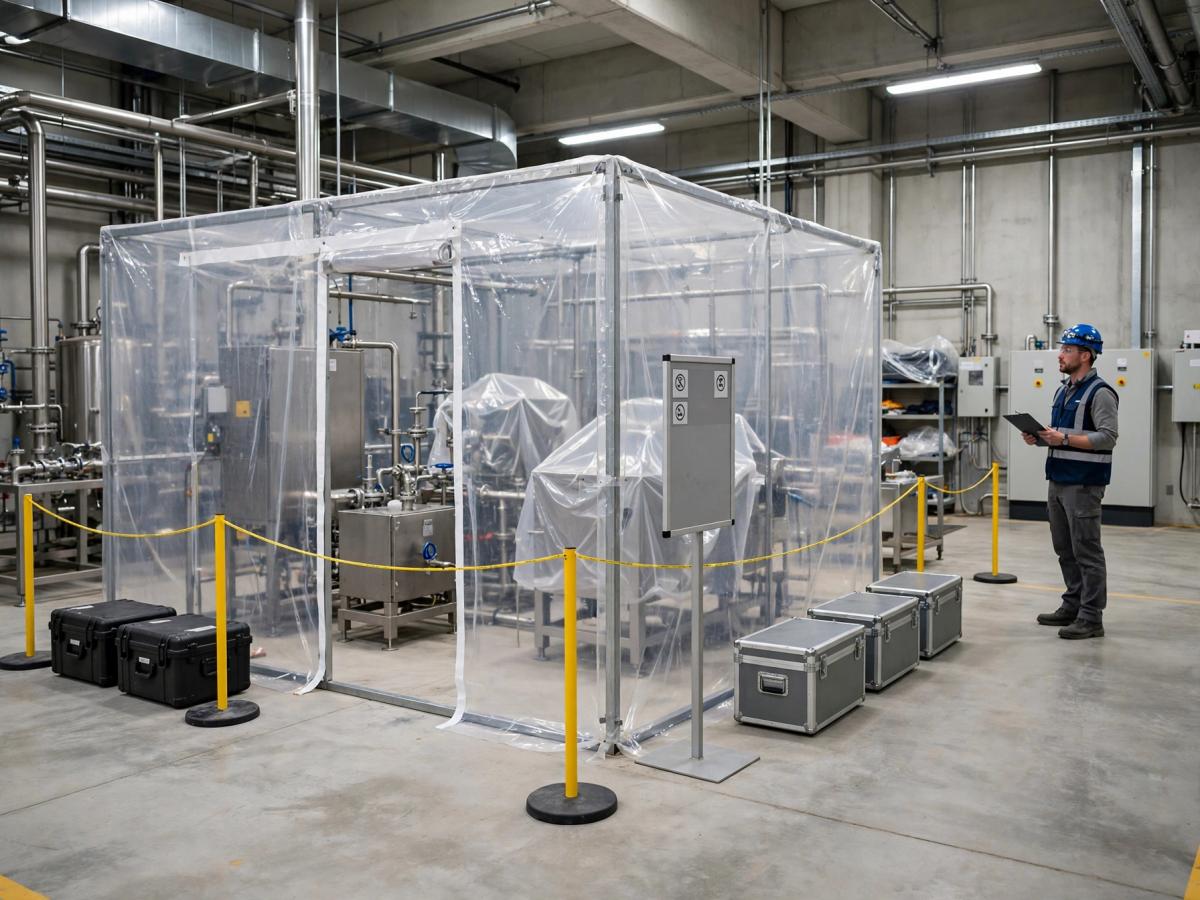
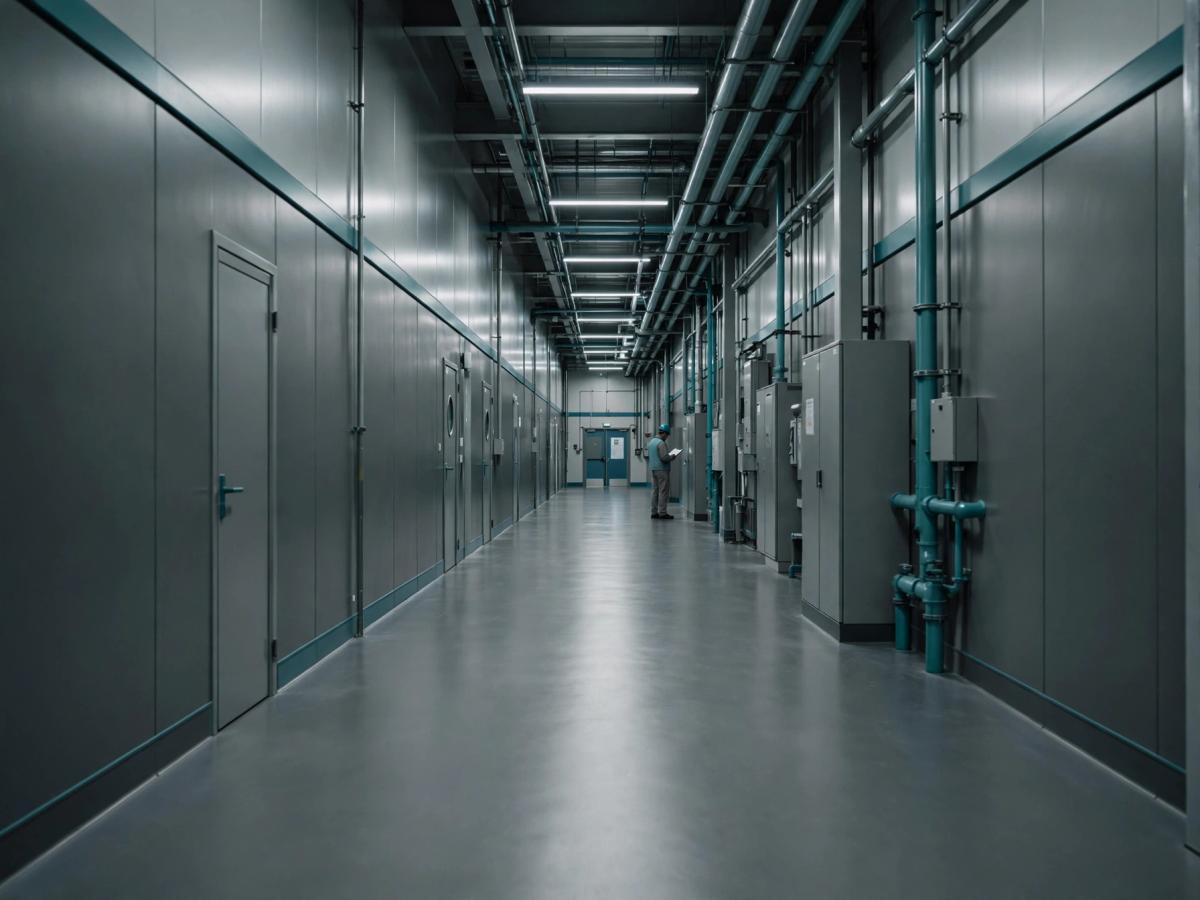
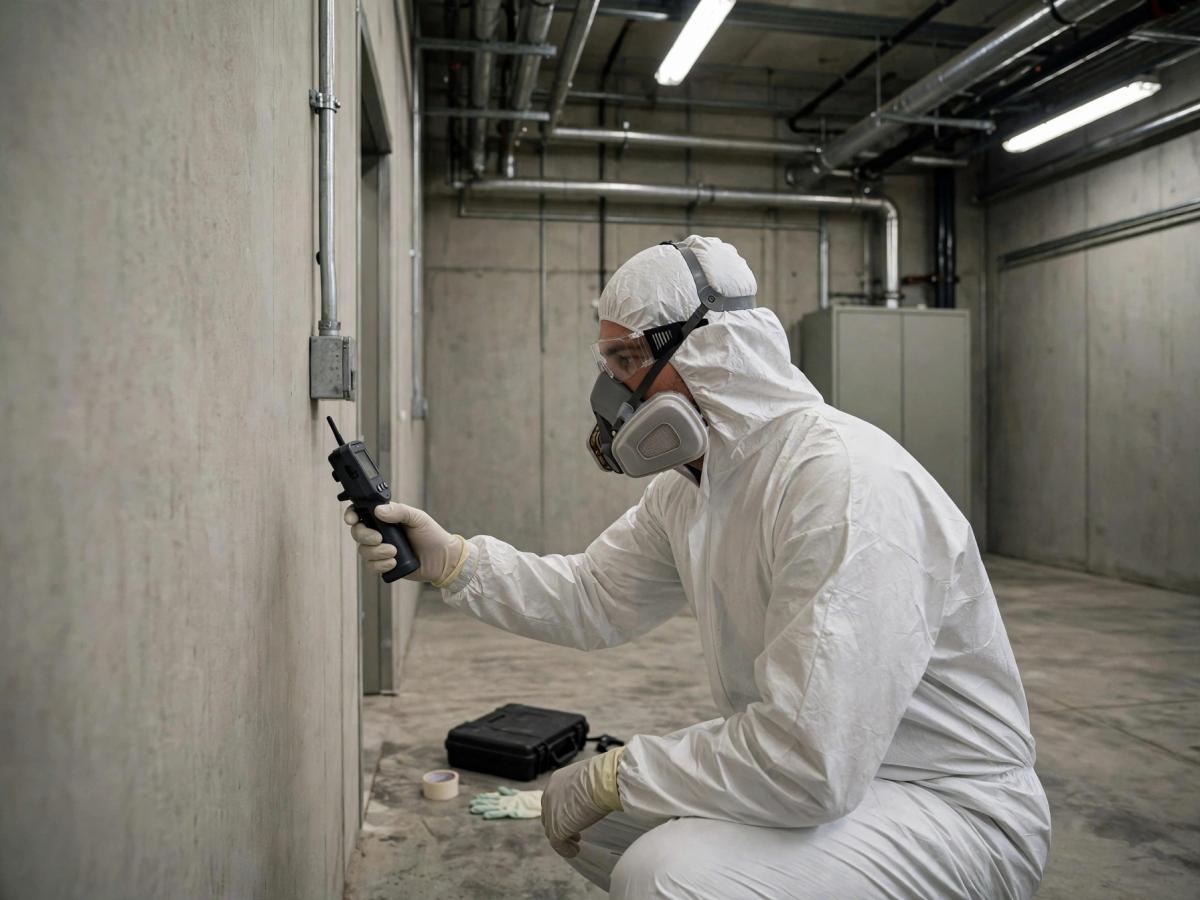
    These images are illustrative guide references, not a provider facility or customer scene.

    Clean industrial processing area with a contained work zone and safety professional, with no smoke, spills, or active release.
    A clean industrial area with a contained work zone and safety review. Illustrative guide image, not a provider facility or customer scene.
    Clean industrial facility corridor with a distant safety professional holding a clipboard.
    An industrial corridor with a safety review in progress. Illustrative guide image, not a provider facility or customer scene.
    Specialist in plain protective clothing inspecting a wall with a handheld instrument after a contained incident.
    A wall inspection after a contained incident. Illustrative guide image, not a provider facility or customer scene.

    Start here

    When industrial or chemical incident cleanup may be needed

    A workplace, facility, warehouse, laboratory, production area, or industrial property may need specialty support after a spill, release, reaction, fire, unknown material event, or contamination incident. The correct response depends on the material, amount, location, exposure, ventilation, equipment, and authority requirements.

    Emergency response, site control, SDS or material identification, reporting, industrial hygiene, testing, waste classification, disposal, cleaning, restoration, and clearance are separate questions. Several providers or authorities may be involved, and one referral should not be treated as a complete incident plan.

    Biohazard Cleanup Connect does not assess chemical hazards, declare safe re-entry, perform industrial cleanup, transport waste, approve disposal, or replace emergency or safety professionals. Call 911 for active danger, fire, exposure, violence, or a medical emergency.

    Use the details you know

    Build the incident conversation in the right order

    The table is a planning aid, not a safe-entry checklist. Follow emergency and responsible-authority direction first.

    Build the incident conversation in the right order
    SituationWhat a provider or authority may clarify
    An active release, fire, exposure, violent event, or medical emergency remainsLeave the area, call 911, and follow emergency response and site-control instructions. Do not treat a phone inquiry as a substitute for emergency response.
    A controlled incident has an identified product or SDSMaterial, amount, area, equipment, ventilation, containment, reporting, industrial hygiene, waste classification, and provider qualifications.
    The material or contamination extent is unknownWho should identify or test it, how access is controlled, whether sampling is appropriate, and which specialist or authority must lead.
    The facility needs testing, cleanup, disposal, or clearanceWhich steps are separate, who sets acceptance criteria, what records are required, how waste is classified, and who decides re-entry.
    Operations, employees, contractors, or customers may be affectedOccupancy, communication, privacy, work stoppage, access, documentation, reporting, and the responsible workplace or public authority.

    Before you call

    What to know before a provider conversation

    Do not enter or investigate an industrial incident to improve the referral. Use the site's emergency plan and share only safe administrative facts.

    • Follow the facility emergency plan, site-control instructions, SDS guidance, and responsible authority direction.
    • Do not enter, sample, move containers, mix chemicals, restart equipment, or ventilate a restricted area.
    • Keep workers, contractors, customers, visitors, children, and animals away from the controlled area.
    • From a safe location, note the facility type, incident status, known material, authority contact, affected area, and access limits.
    • Call 911 for an active release, fire, exposure, violence, structural risk, serious injury, or medical emergency.

    Provider conversation

    Questions for an industrial or chemical provider

    Ask each provider to define its role in the incident chain. Cleanup, industrial hygiene, testing, waste, disposal, and clearance may not be one service.

    • Confirm the provider's role after emergency response and site control, and who authorizes entry and work.
    • Ask how it uses SDS or material identification, industrial hygiene, sampling, laboratory testing, containment, and exposure information.
    • Review cleaning, removal, equipment treatment, waste classification, transport, disposal, restoration, and clearance as separate scopes.
    • Clarify who decides safe re-entry, employee return, production restart, customer access, and regulatory reporting.
    • Confirm credentials, permits, pricing, timing, coverage, methods, and limitations before authorizing work.
    Referral process

    How an industrial incident referral works

    Call only after immediate danger and site-control instructions are addressed. A phone inquiry does not guarantee a response, referral, or service; the responsible authority and qualified providers define the work sequence.

    1. 1

      Prepare controlled-site details for a call

      If you choose to call after immediate danger and site-control instructions are addressed, share only safe, general details: ZIP code, facility type, incident status, known material or SDS information, access restrictions, the responsible authority, and the specialty step being considered. Do not enter or test the area.

    2. 2

      Providers map their roles

      Independent providers may ask about industrial hygiene, testing, containment, cleanup, waste classification, disposal, restoration, reporting, and clearance.

    3. 3

      Review decisions and handoffs

      Each provider confirms its own scope, credentials, permits, pricing, timing, records, limitations, and which authority controls re-entry or restart.

    Questions people ask

    Practical questions before you call

    Can Biohazard Cleanup Connect tell us when a facility is safe to re-enter?

    No. Biohazard Cleanup Connect is a referral hub and cannot assess chemical hazards or declare safe re-entry. Follow emergency, site-control, industrial-hygiene, workplace, public-health, and other responsible-authority direction.

    What is an SDS and why might a provider ask for it?

    A Safety Data Sheet can provide material and handling information for a product, but it does not by itself complete an incident assessment. Share it through the responsible facility process and ask the provider what other facts or testing it needs.

    Are testing, cleanup, disposal, and clearance the same service?

    They can be separate steps with different providers, records, criteria, and decision-makers. Ask who is responsible for each step and what documentation is required before work begins.

    Can a warehouse or laboratory request a specialty provider?

    An authorized facility owner or manager may call to ask about possible provider options after emergency and site-control instructions are addressed. Any provider involved confirms its own material, facility, access, and jurisdictional scope.

    What if the chemical or material is unknown?

    Do not sample, smell, move, mix, or test it yourself. Keep the area controlled, follow the site emergency plan and responsible authority, and ask which qualified specialist should lead identification.

    Does Biohazard Cleanup Connect perform industrial chemical cleanup?

    No. Biohazard Cleanup Connect is an independent referral hub. Independent providers confirm their own role, credentials, permits, scope, pricing, timing, records, and limitations.

    Phone inquiry

    Call to ask about a possible provider connection.

    Biohazard Cleanup Connect is an independent information and referral hub, not a cleanup contractor. A call is an inquiry, not a booking or guarantee of a response, referral, or service.

    • If you choose to call, share only safe, general details you already know. Do not inspect or handle material to prepare.
    • Independent providers confirm their own availability, work scope, pricing, timing, credentials, permits, and records directly.
    • This number is not for emergencies. Call 911 for active danger or a medical emergency.
    Call (786) 628-8505

    We are paid a referral fee for qualified calls. You do not pay us for the call.