Independent referral hub · Provider availability varies by location
    Branch 3 · Specialty/Extended Remediation

    A post-incident guide for irritant and chemical residue situations

    Tear Gas & Chemical Residue CleanupA practical guide

    Residue from law-enforcement activity, training, irritants, or another chemical release may affect a property, vehicle, workplace, or shared facility. This guide explains the safety boundary and the questions an independent provider must answer about the substance, materials, ventilation, PPE, disposal, and specialty support.

    Call (786) 628-8505

    We are paid a referral fee for qualified calls. You do not pay us for the call.

    Read the guide

    A phone call is an inquiry, not a booking or guarantee of a response, referral, or service. Any independent provider involved confirms its own availability, scope, pricing, timing, credentials, permits, and applicable requirements directly.

    Identify before treating

    Do not neutralize or spread an unknown residue. Emergency response and official release come before cleanup planning.

    Visual reference

    Understand the setting without graphic detail.

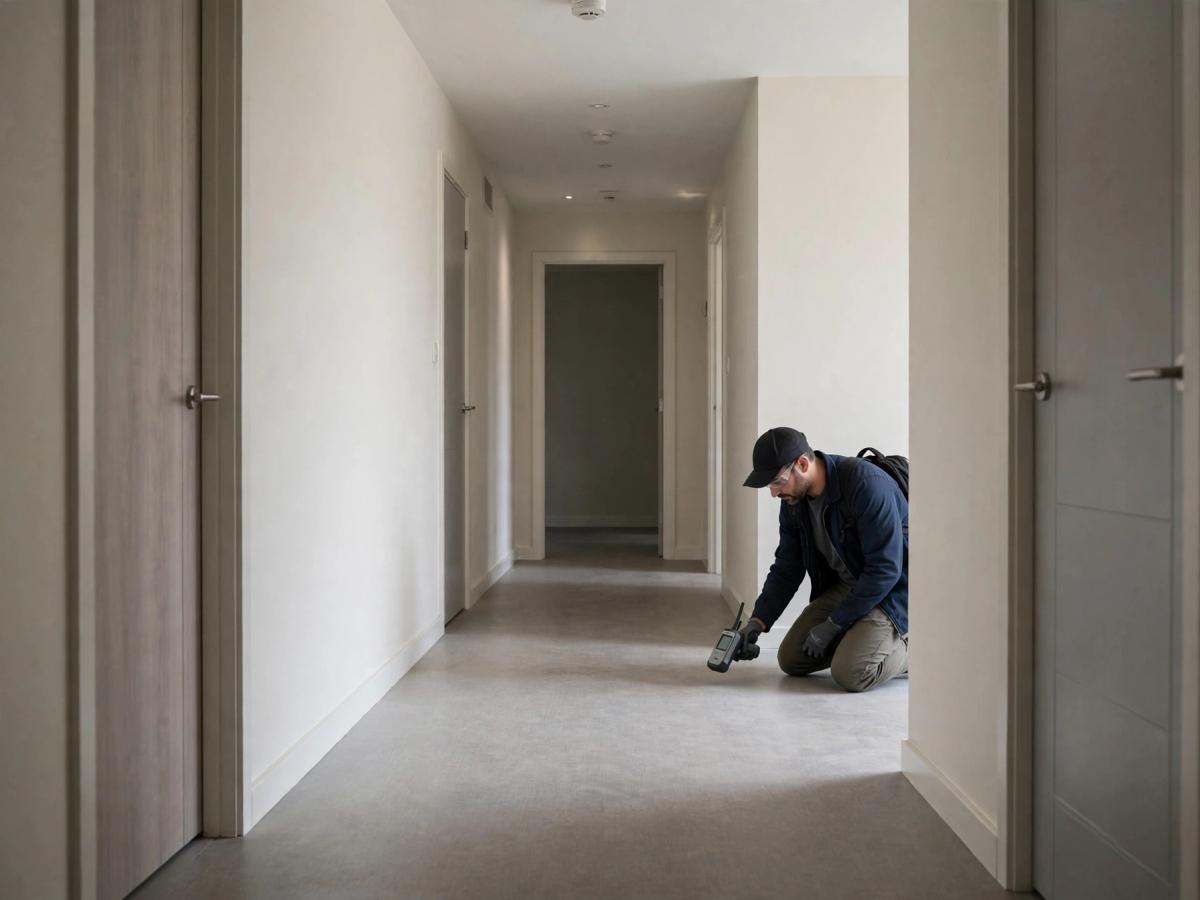
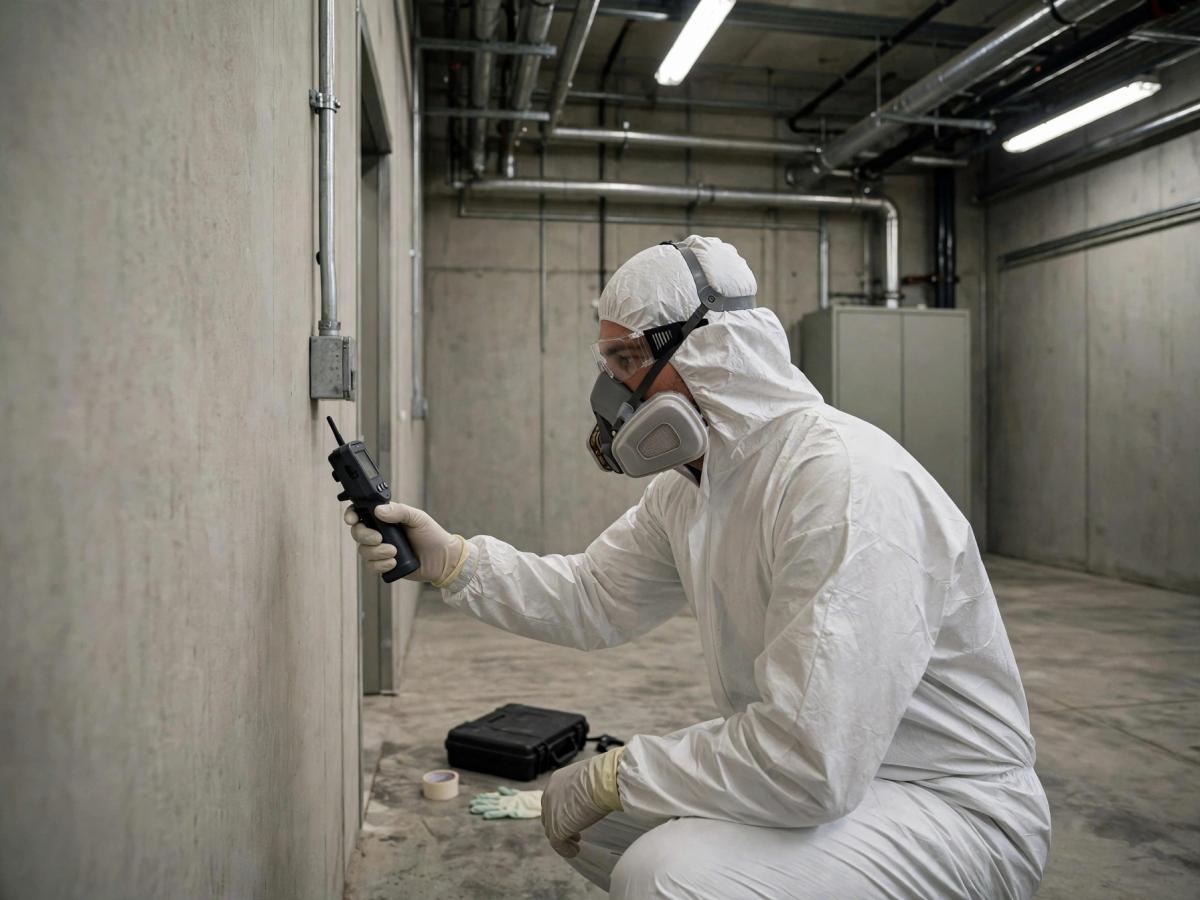
    These images are illustrative guide references, not a provider facility or customer scene.

    Specialist inspecting a hard surface with a handheld instrument, with no fumes, spills, weapons, or distress.
    A specialist inspecting a hard surface with a handheld instrument. Illustrative guide image, not a provider facility or customer scene.
    Specialist in plain protective clothing inspecting a wall with a handheld instrument after a contained incident.
    A wall inspection after a contained incident. Illustrative guide image, not a provider facility or customer scene.
    Sunlit clean interior with discreet air filtration and sealed equipment.
    A clean interior with discreet filtration and sealed equipment. Illustrative guide image, not a provider facility or customer scene.

    Start here

    When tear gas or chemical residue cleanup may be relevant

    A released property may retain residue on surfaces, contents, fabrics, ventilation systems, vehicles, or equipment after law-enforcement activity, training, an irritant deployment, or another chemical incident. The substance and exposure conditions affect what can be cleaned and how.

    A provider may need to coordinate with fire, law enforcement, public health, industrial hygiene, building officials, or a restoration specialist. Cleaning, ventilation, disposal, testing, and structural repair may be separate scopes.

    Do not neutralize chemicals, mix products, ventilate an unsafe area, or treat the residue as ordinary dust. Biohazard Cleanup Connect is a referral hub and does not assess, clean, transport, dispose of, or declare a property safe.

    Use the details you know

    Confirm the substance and site status first

    Use these prompts to describe the request without handling residue or attempting a neutralization.

    Confirm the substance and site status first
    SituationWhat a provider or authority may clarify
    An active release, exposure, fire, or emergency remainsLeave the area, call 911, and follow emergency instructions. A cleanup referral does not replace emergency response.
    Law enforcement or another authority has released the property after an incidentSubstance or event information, affected rooms or materials, access, ventilation, occupants, and the provider's confirmed specialty scope.
    Residue may be on fabrics, furnishings, vehicle interiors, or HVAC componentsMaterial compatibility, containment, PPE, ventilation, cleaning or removal, disposal, restoration, and limitations.
    The substance is unknown or the property needs testingWho should identify or test it, whether industrial hygiene support is needed, how access is controlled, and which records apply.
    A workplace, venue, rental, or facility needs to reopenResponsible decision-maker, provider documentation, employee or customer communication, ventilation, and separate re-entry or public-health guidance.

    Before you call

    What to know before a provider conversation

    Keep the area closed as directed and avoid actions that can spread or react with residue. Share facts from outside the affected space.

    • Leave an active release or exposure area and call 911 or the responsible authority.
    • Do not neutralize, dilute, mix, spray, wipe, sweep, vacuum, or launder unknown residue.
    • Do not ventilate or restart HVAC systems in an unsafe or unreleased property without direction.
    • Note the incident type, official release status, property or vehicle, affected area, access, and known substance information from a safe location.
    • Keep occupants, staff, customers, tenants, children, and pets away until the responsible authority or provider gives direction.

    Provider conversation

    Questions for a chemical-residue provider

    The provider should identify its assumptions and boundaries rather than recommend a generic cleaning product for an unknown substance.

    • Confirm how the provider uses incident information and who is responsible for substance identification or testing.
    • Ask about PPE, containment, ventilation, surface compatibility, affected materials, access, and occupancy restrictions.
    • Review cleaning, removal, disposal, testing, industrial hygiene, restoration, and HVAC work as separate possible scopes.
    • Ask what documentation describes the work, areas, methods, waste, limitations, and any follow-up or handoff.
    • Clarify who decides safe re-entry, reopening, occupant return, or public communication.
    • Confirm credentials, permits, pricing, timing, coverage, methods, and limitations before authorizing work.
    Referral process

    How a chemical-residue referral works

    A phone inquiry is not emergency response, a booking, or a guarantee of service. After emergency response and official release, any provider involved must confirm whether it can address the substance and site.

    1. 1

      Prepare incident details for a call

      If you choose to call after emergency response and official release, share only safe details you already know: ZIP code, property or vehicle type, incident source, affected area, access, ventilation, and known substance information. Do not enter or collect a sample.

    2. 2

      A provider checks specialty fit

      An independent provider may ask about PPE, materials, ventilation, testing, industrial hygiene, disposal, restoration, and documentation.

    3. 3

      Review limits and handoffs

      The provider confirms its own scope, pricing, timing, credentials, methods, permits, records, and which authority decides re-entry before work begins.

    Questions people ask

    Practical questions before you call

    Can I neutralize tear gas or chemical residue myself?

    No. Do not mix products, neutralize, spray, wipe, vacuum, or spread an unknown residue. Follow emergency, law-enforcement, fire, public-health, or building-official instructions and ask a qualified provider about the next step.

    Can a provider clean a vehicle after an irritant release?

    Some providers may handle vehicles, while others focus on buildings or facilities. Share the vehicle type, substance information, affected materials, access, and release status so the provider can confirm fit.

    What if the substance is unknown?

    Do not sample or test it yourself. Tell the responsible authority and provider what is known about the incident, and ask who should identify the substance or provide industrial-hygiene guidance.

    Does residue cleanup include HVAC or ventilation?

    It may require a separate assessment. Do not restart or open a ventilation system in an unsafe or unreleased property. Ask the provider whether HVAC, industrial hygiene, restoration, or testing is within scope.

    Who decides when a workplace or venue can reopen?

    The responsible property, workplace, public-health, emergency, or building authority may control re-entry or reopening. A provider can document its work and limitations but should not replace that decision-maker.

    Does Biohazard Cleanup Connect perform chemical residue cleanup?

    No. Biohazard Cleanup Connect is an independent referral hub. Any independent provider involved confirms its own substance scope, methods, credentials, permits, pricing, timing, documentation, and limitations.

    Phone inquiry

    Call to ask about a possible provider connection.

    Biohazard Cleanup Connect is an independent information and referral hub, not a cleanup contractor. A call is an inquiry, not a booking or guarantee of a response, referral, or service.

    • If you choose to call, share only safe, general details you already know. Do not inspect or handle material to prepare.
    • Independent providers confirm their own availability, work scope, pricing, timing, credentials, permits, and records directly.
    • This number is not for emergencies. Call 911 for active danger or a medical emergency.
    Call (786) 628-8505

    We are paid a referral fee for qualified calls. You do not pay us for the call.