Independent referral hub · Provider availability varies by location
    Branch 3 · Specialty/Extended Remediation

    A specialized, regulated, provider-assessed pathway

    Meth Lab/Clandestine Drug Lab DecontaminationA practical guide

    Suspected or confirmed clandestine drug-lab residue is a specialized property and public-safety concern. This guide explains the safe boundary before referral and the questions an independent provider may address around assessment, testing, remediation, clearance, disposal, and jurisdiction-specific requirements.

    Call (786) 628-8505

    We are paid a referral fee for qualified calls. You do not pay us for the call.

    Read the guide

    A phone call is an inquiry, not a booking or guarantee of a response, referral, or service. Any independent provider involved confirms its own availability, scope, pricing, timing, credentials, permits, and applicable requirements directly.

    Do not enter or disturb

    Leave suspected drug-lab conditions to law enforcement, public health, building officials, and qualified providers with a confirmed scope.

    Visual reference

    Understand the setting without graphic detail.

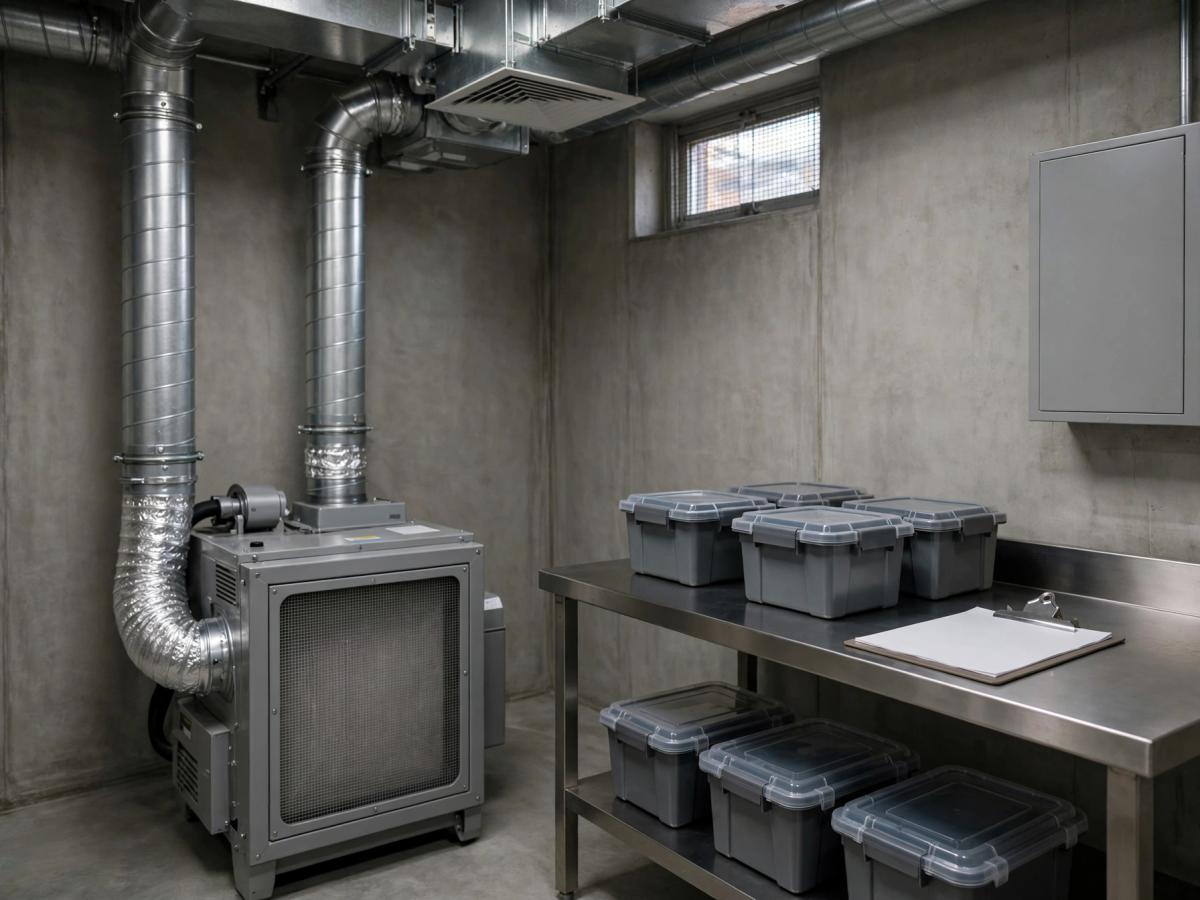
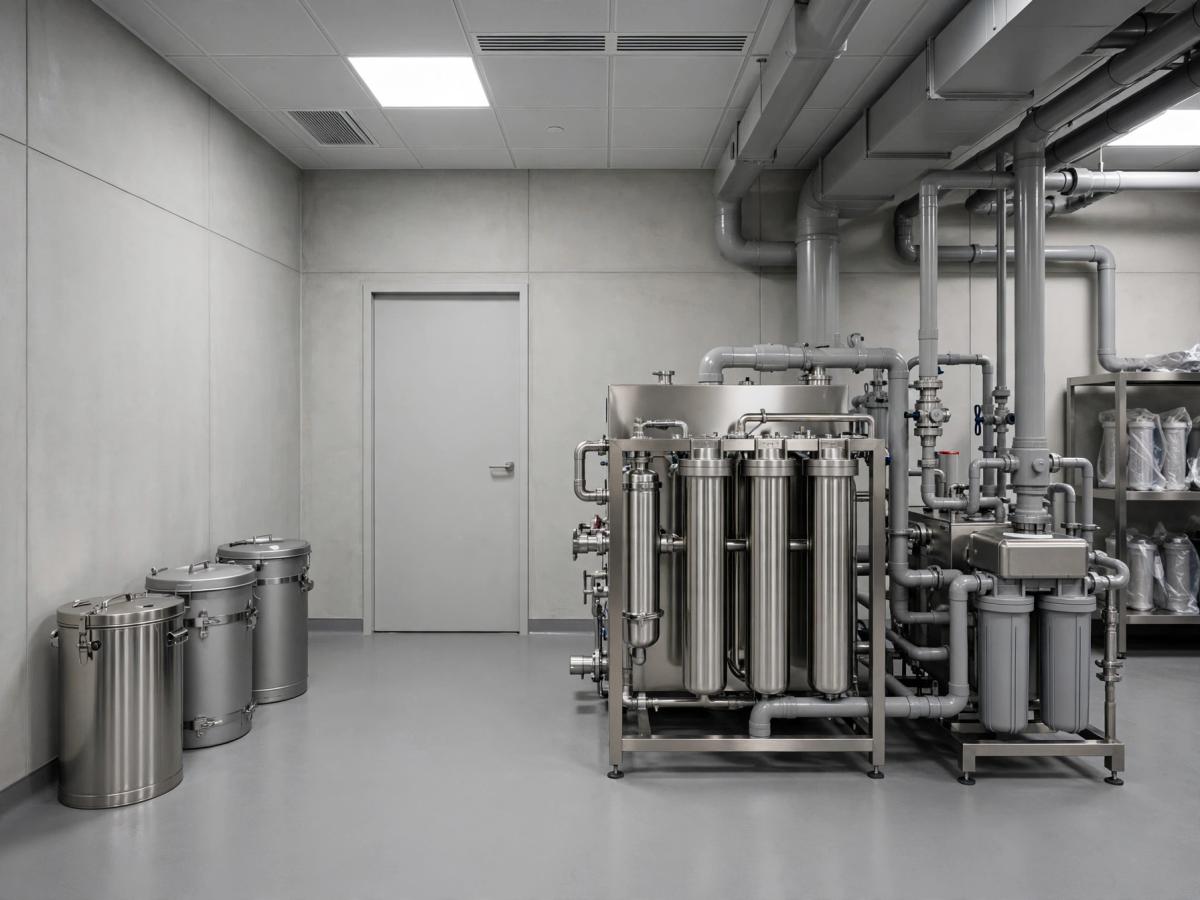
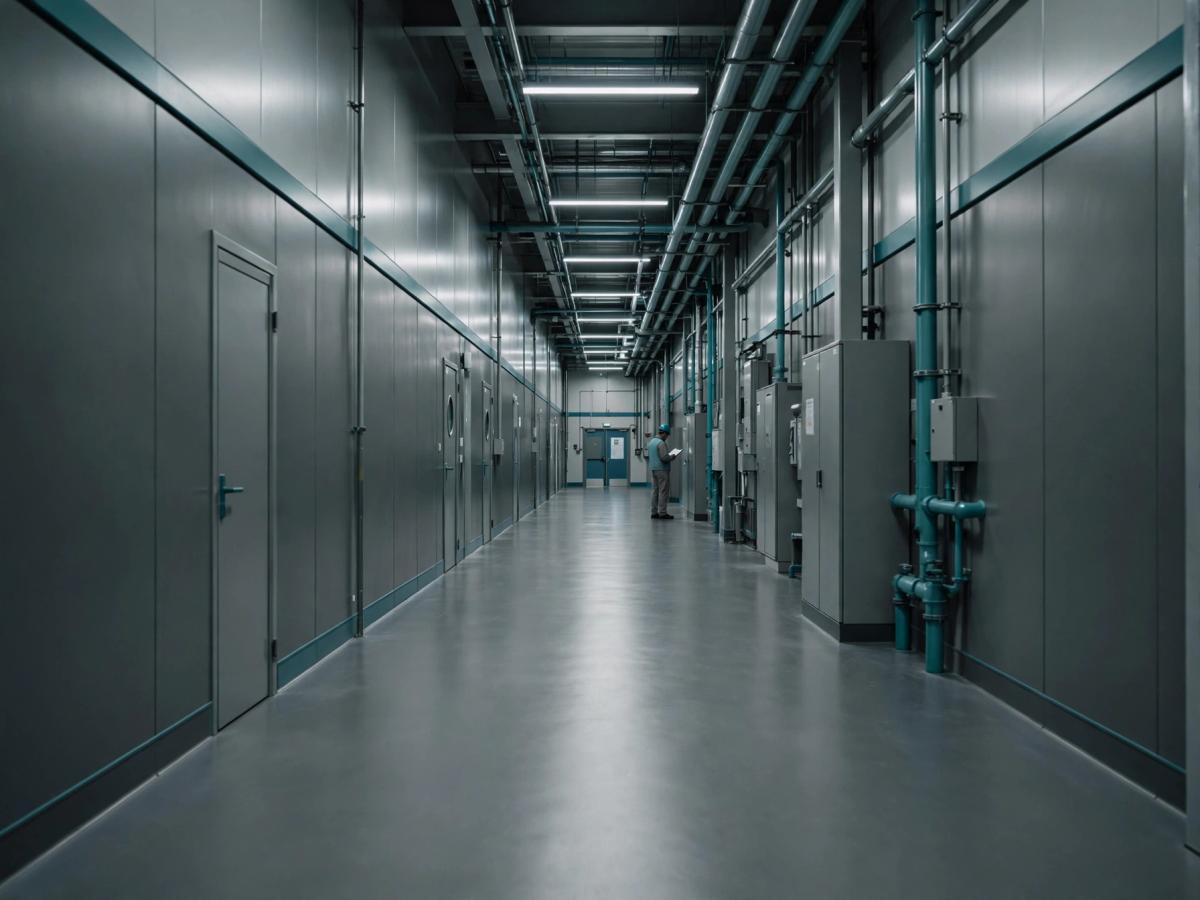
    These images are illustrative guide references, not a provider facility or customer scene.

    Controlled utility room with filtered ventilation, sealed containers, and an assessment clipboard, with no drugs or paraphernalia.
    A controlled utility room with filtration and sealed containers. Illustrative guide image, not a provider facility or customer scene.
    Controlled utility or laboratory room with sealed containers and filtration equipment.
    A controlled utility room with sealed containers and filtration. Illustrative guide image, not a provider facility or customer scene.
    Clean industrial facility corridor with a distant safety professional holding a clipboard.
    An industrial corridor with a safety review in progress. Illustrative guide image, not a provider facility or customer scene.

    Start here

    When clandestine drug-lab decontamination may be relevant

    A property may need specialized assessment after a suspected or confirmed clandestine drug-lab activity, law-enforcement action, chemical release, or residue concern. The safe path can involve site control, authority instructions, testing, remediation, waste classification, and clearance, each with its own requirements.

    Do not treat this as ordinary cleaning or a standard odor job. The provider may need to coordinate with law enforcement, public health, building officials, industrial hygiene professionals, laboratories, or other specialists before anyone enters or disturbs the property.

    Biohazard Cleanup Connect does not inspect, test, sample, ventilate, clean, remediate, clear, or certify suspected drug-lab properties. If there is active danger, chemical release, fire, violence, or a medical emergency, call 911 and follow official instructions.

    Use the details you know

    Authority direction comes before service selection

    These prompts help identify the next responsible conversation. Do not enter, sample, clean, ventilate, or disturb the property to answer them.

    Authority direction comes before service selection
    SituationWhat a provider or authority may clarify
    A suspected lab, chemical release, fire, or immediate danger may be presentDo not enter. Leave the area, call 911 or the responsible authority, and follow law-enforcement, fire, public-health, or building instructions.
    Authorities have secured the property but specialized assessment is neededSite status, access authorization, property type, notices, suspected materials, testing, industrial hygiene, and the provider's qualifications and scope.
    Testing, remediation, or clearance is being discussedWho sets the protocol, what sampling or laboratory work is required, remediation steps, waste handling, clearance criteria, records, and limitations.
    A property owner, buyer, tenant, or manager needs a transfer decisionCurrent authority restrictions, responsible decision-maker, documentation, disclosure or building requirements, access, and which specialist must sign off.
    Unknown containers, powders, liquids, or equipment remainDo not touch or move them. Ask the responsible authority and qualified provider how the items will be assessed and handled.

    Before you call

    What to know before a provider conversation

    Safety instructions are intentionally simple here because sampling or cleanup can make a suspected lab more dangerous.

    • Do not enter, sample, test, clean, ventilate, turn on utilities, or disturb a suspected or confirmed clandestine drug-lab property.
    • Keep people and animals away and follow law-enforcement, fire, public-health, or building-official instructions.
    • Do not touch containers, powders, liquids, equipment, surfaces, ventilation systems, or discarded materials.
    • From outside the restricted area, note the property type, authority contact, notices, access restrictions, and safe administrative details.
    • For an active release, fire, exposure, violence, structural risk, or medical emergency, leave and call 911.

    Provider conversation

    Questions for a clandestine-lab provider

    Provider availability and qualifications vary. Ask who controls the assessment, testing, remediation, disposal, clearance, and documentation at each stage.

    • Confirm the provider's role after authority release and the access authorization required before assessment.
    • Ask whether it coordinates testing, industrial hygiene, laboratory analysis, remediation, waste classification, and clearance or uses separate specialists.
    • Review the proposed containment, removal, cleaning, disposal, ventilation, and property-protection steps without accepting a generic promise.
    • Ask which jurisdiction-specific requirements, notices, records, reports, or clearance documents apply to the property.
    • Clarify who decides safe re-entry, occupancy, transfer, or release and what remains outside the provider's authority.
    • Confirm credentials, permits, pricing, timing, methods, coverage, and limitations before authorizing work.
    Referral process

    How a clandestine-lab referral works

    A phone inquiry can ask about specialty options, but it does not authorize access, testing, remediation, disposal, or clearance. Authorities and qualified providers determine those requirements.

    1. 1

      Prepare authority and site details for a call

      If you choose to call, share only safe details: ZIP code, property type, authority status, access restrictions, known concern, and the specialty step being considered. Do not enter or sample a restricted area.

    2. 2

      A provider checks the full scope

      An independent provider may ask about notices, testing, industrial hygiene, remediation, waste, clearance, records, and jurisdiction-specific requirements.

    3. 3

      Review qualifications and limits

      The provider confirms its own scope, credentials, permits, methods, pricing, timing, documentation, and the decisions that remain with authorities.

    Questions people ask

    Practical questions before you call

    Can I enter to see whether a property was used as a meth lab?

    No. Do not enter, sample, test, clean, ventilate, or disturb a suspected property. Follow law-enforcement, fire, public-health, and building-official instructions and let qualified providers assess access.

    Can I collect a sample or wipe a surface before calling?

    No. Sampling and cleaning can create exposure, disturb evidence, or change the assessment. Ask the responsible authority and qualified provider who should direct testing.

    Does every biohazard company handle clandestine drug-lab decontamination?

    No. This is a specialized, regulated, provider-assessed situation. Ask specifically about testing, remediation, waste, clearance, credentials, permits, and jurisdiction-specific requirements.

    What is the difference between testing, remediation, and clearance?

    They can be separate steps with different roles, methods, records, and decision-makers. The responsible authority and qualified provider explain which steps apply and what documentation is required for the property.

    Can a buyer or landlord call to ask about a possible referral?

    An authorized owner, buyer, landlord, manager, or other decision-maker may call to ask about possible provider options. Access and work remain subject to official instructions, property control, and the provider's scope.

    Does Biohazard Cleanup Connect certify a property as safe?

    No. Biohazard Cleanup Connect does not inspect, test, remediate, clear, or certify properties. Qualified providers and responsible authorities define the assessment, documentation, and safe re-entry decisions.

    Phone inquiry

    Call to ask about a possible provider connection.

    Biohazard Cleanup Connect is an independent information and referral hub, not a cleanup contractor. A call is an inquiry, not a booking or guarantee of a response, referral, or service.

    • If you choose to call, share only safe, general details you already know. Do not inspect or handle material to prepare.
    • Independent providers confirm their own availability, work scope, pricing, timing, credentials, permits, and records directly.
    • This number is not for emergencies. Call 911 for active danger or a medical emergency.
    Call (786) 628-8505

    We are paid a referral fee for qualified calls. You do not pay us for the call.