Independent referral hub · Provider availability varies by location
    Branch 2 · Crime Scene & Trauma Cleanup

    A provider-assessed guide for homes, workplaces, schools, and shared facilities

    Infectious Disease DisinfectionA practical guide

    A known or suspected infectious-disease event may call for assessed cleaning and disinfection, but the correct product, protocol, surface, contact time, ventilation, and documentation depend on the situation. This guide helps you prepare questions without making a universal sterilization claim.

    Call (786) 628-8505

    We are paid a referral fee for qualified calls. You do not pay us for the call.

    Read the guide

    A phone call is an inquiry, not a booking or guarantee of a response, referral, or service. Any independent provider involved confirms its own availability, scope, pricing, timing, credentials, permits, and applicable requirements directly.

    Protocol before product

    A provider should identify the situation, surfaces, method, contact time, access, ventilation, and limits before work begins.

    Visual reference

    Understand the setting without graphic detail.

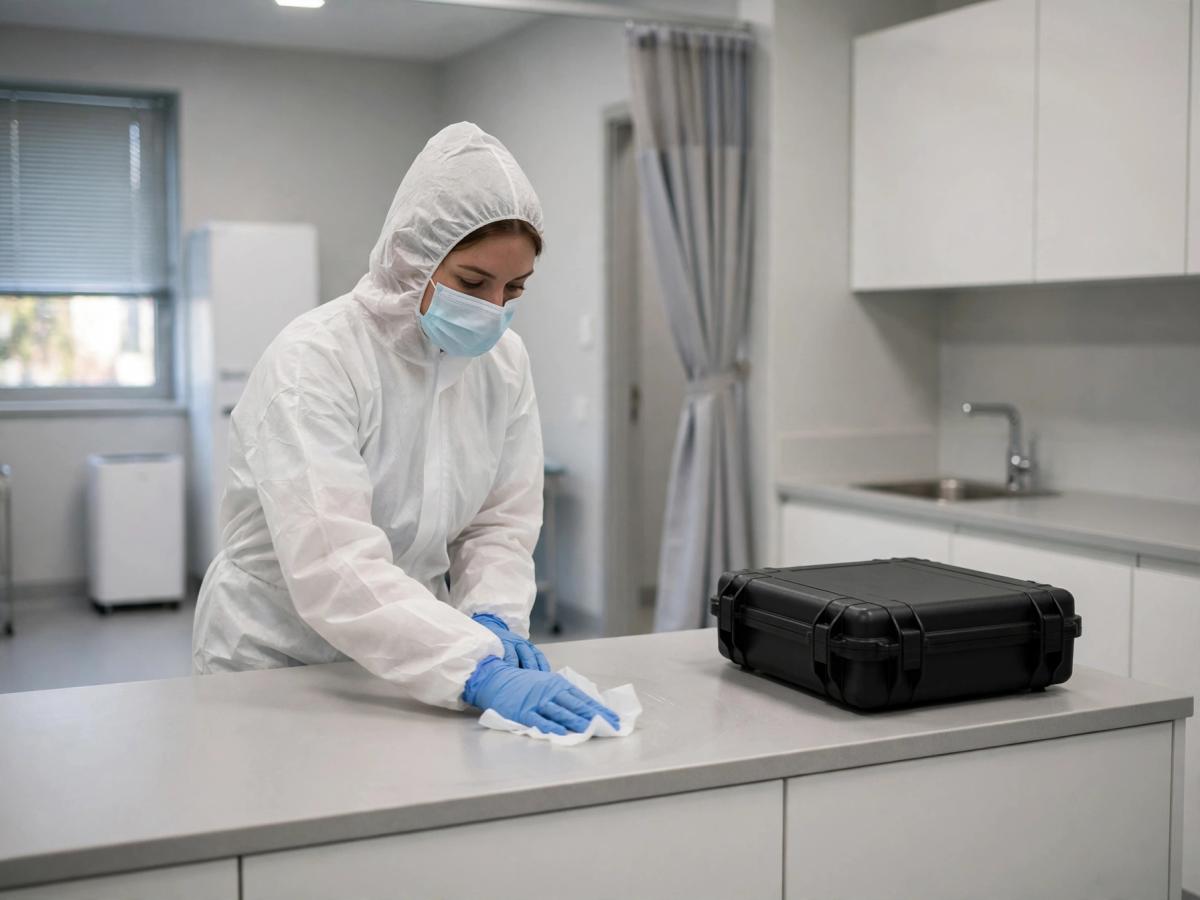
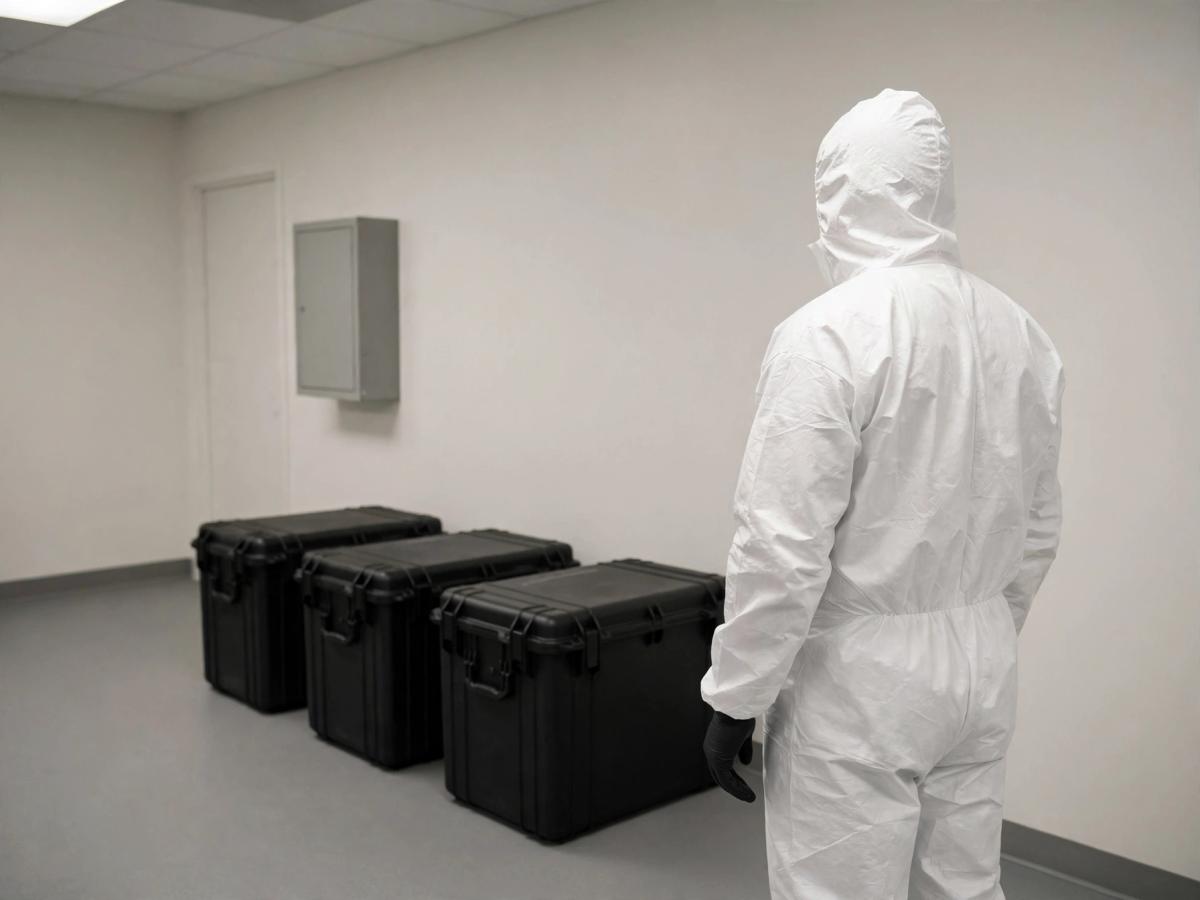
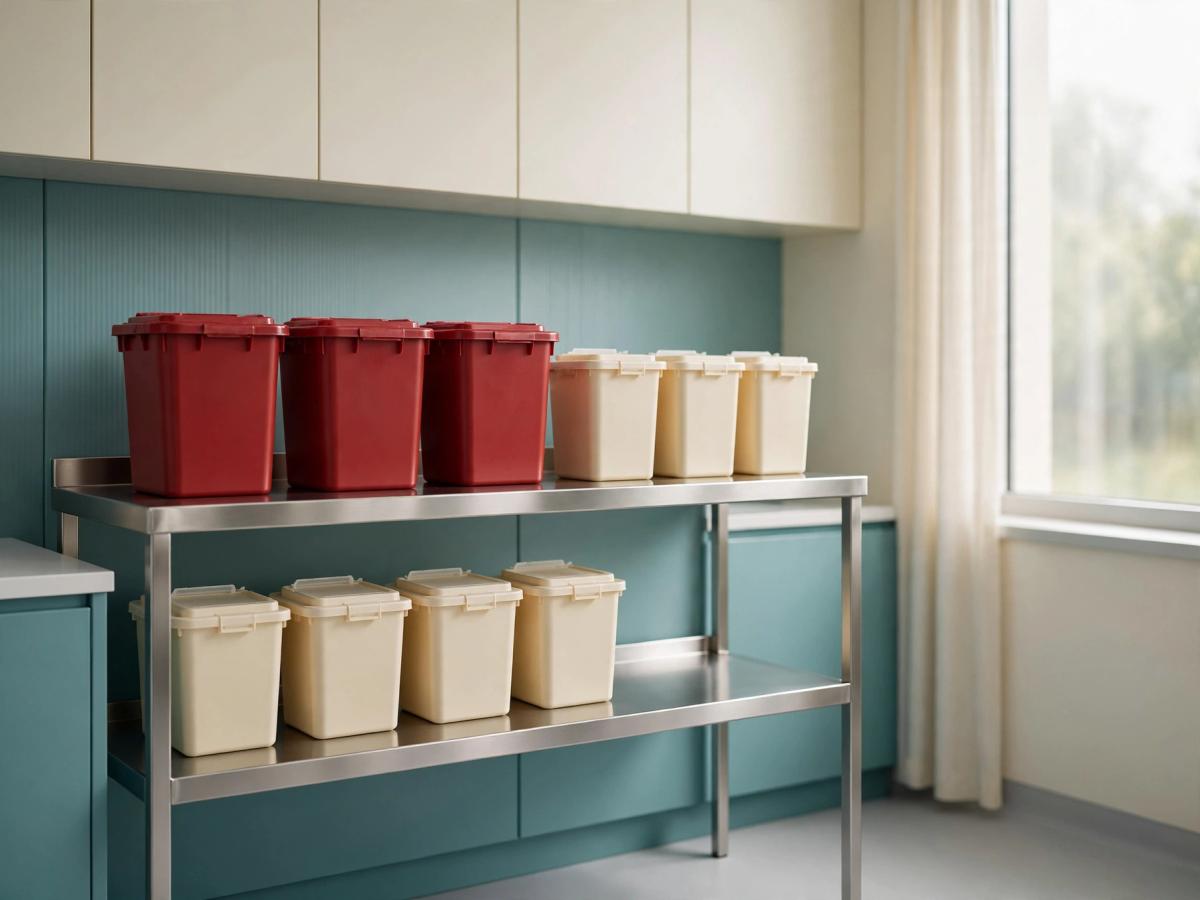
    These images are illustrative guide references, not a provider facility or customer scene.

    Professional in plain protective clothing cleaning a hard surface in a healthcare room.
    A professional cleaning a hard surface in a healthcare room. Illustrative guide image, not a provider facility or customer scene.
    Professional in plain protective coveralls standing beside closed equipment cases in a clean room.
    Protective equipment staged in a clean room. Illustrative guide image, not a provider facility or customer scene.
    Sealed red and neutral clinical waste containers arranged on stainless steel shelving in a bright service room.
    Sealed clinical waste containers in a bright service room. Illustrative guide image, not a provider facility or customer scene.

    Start here

    When infectious-disease disinfection may be relevant

    Homes, workplaces, schools, healthcare settings, retail areas, shared facilities, and public spaces may need provider-assessed cleaning after a known or suspected infectious-disease event. The response depends on what is known, where it occurred, what surfaces are involved, and which authority or facility protocol applies.

    Cleaning and disinfection are not the same as universal sterilization. An independent provider may discuss a product or protocol, preparation, contact time, ventilation, PPE, access, waste, documentation, and limitations for the identified situation.

    Biohazard Cleanup Connect is a referral hub, not a public-health authority or disinfection contractor. It does not determine safe re-entry, diagnose an infection, or promise that every organism or surface can be addressed by one method.

    Use the details you know

    Identify the situation before choosing a protocol

    Use these prompts to organize a safe request. The provider and responsible health or facility authority confirm the appropriate protocol.

    Identify the situation before choosing a protocol
    SituationWhat a provider may clarify
    A home or shared facility has a known or suspected infectious-disease eventWhat is known about the situation, affected rooms and surfaces, occupancy, access, ventilation, facility guidance, and whether a specialist is needed.
    A workplace, school, retail, or healthcare area needs a documented serviceWho controls the site, required protocol, work hours, occupants, records, communication, and any reopening or handoff decision.
    The organism or situation is not identifiedWhat facts are known, who should provide guidance, whether testing is appropriate, and whether the provider can work without a confirmed organism.
    Surfaces, porous materials, equipment, or HVAC may be affectedMaterial compatibility, cleaning versus disinfection, ventilation, contact time, inaccessible areas, restoration, and limitations.
    There is an active medical emergency or dangerous releaseCall 911 and follow emergency or public-health instructions. A phone inquiry does not assess an active emergency or make a site safe.

    Before you call

    What to know before a provider conversation

    Use the responsible health, workplace, school, or facility protocol first. Do not collect samples or improvise a chemical treatment.

    • Keep people away from the affected area as directed by the responsible authority, facility lead, or health professional.
    • Do not collect samples, mix chemicals, fog a room, or apply a product without confirmed instructions for the situation and surface.
    • Do not assume a product labeled for one organism, surface, or use is appropriate for another.
    • Note the facility type, affected area, known information, access, ventilation, occupants, and documentation need from a safe position.
    • If someone is seriously ill, there is an active exposure, chemical release, fire, or immediate danger, call 911.

    Provider conversation

    Questions for a disinfection provider

    A credible conversation should identify the situation and protocol rather than promise a generic sterilization result. Ask what the provider can document and what it cannot address.

    • Ask how the provider identifies the organism or situation information it needs and whether another authority or specialist must guide the protocol.
    • Confirm products or methods, surface compatibility, preparation, contact time, ventilation, PPE, access, and areas included.
    • Discuss porous materials, equipment, HVAC, waste, laundry, restoration, or testing as separate questions when relevant.
    • Ask what records describe the work, product or protocol, dates, areas, limitations, and any follow-up instructions.
    • Clarify who decides re-entry, reopening, occupancy, patient return, or public communication for the site.
    • Confirm credentials, pricing, timing, coverage, methods, and limitations before authorizing service.
    Referral process

    How an infectious-disease disinfection referral works

    A phone inquiry may start a conversation about possible provider options, but no referral or service is guaranteed. The independent provider and responsible authority define the protocol and limitations.

    1. 1

      Prepare safe site details for a call

      If you choose to call, share only safe general details: ZIP code, facility type, affected area, known situation, access, occupants, ventilation, and any documentation or reopening question. Do not collect or test samples.

    2. 2

      A provider confirms protocol fit

      An independent provider may ask about organism information, surfaces, products, contact time, PPE, ventilation, waste, and facility guidance.

    3. 3

      Review the written scope

      The provider confirms its own methods, areas, pricing, timing, credentials, documentation, limitations, and who decides re-entry before work begins.

    Questions people ask

    Practical questions before you call

    Does infectious-disease disinfection mean sterilization?

    No. Cleaning, disinfection, sanitizing, and sterilization have different meanings and uses. The provider should identify the situation, surfaces, product or protocol, contact time, ventilation, documentation, and limitations rather than promise a universal result.

    How does a provider know what product to use?

    The provider may need information about the organism or event, surfaces, material compatibility, contact time, ventilation, and facility or public-health guidance. Do not choose or mix chemicals based on a general label alone.

    Can a provider disinfect a school, workplace, or healthcare area?

    Some providers may serve those settings, while others have a narrower scope. Share the facility type, affected areas, occupancy, access, required documentation, and responsible authority so the provider can confirm fit.

    Who decides when people can return?

    The responsible property, workplace, school, healthcare, public-health, or emergency authority may control re-entry or reopening. A provider can describe its work and limitations but should not replace that decision-maker.

    What if the organism is unknown?

    Do not collect samples or improvise a treatment. Share the known facts with the responsible health or facility authority and ask a provider whether it can assess the situation or needs another specialist.

    Does Biohazard Cleanup Connect perform disinfection?

    No. Biohazard Cleanup Connect is an independent referral hub. Any independent provider involved confirms its own protocol, scope, pricing, timing, credentials, documentation, and limitations.

    Phone inquiry

    Call to ask about a possible provider connection.

    Biohazard Cleanup Connect is an independent information and referral hub, not a cleanup contractor. A call is an inquiry, not a booking or guarantee of a response, referral, or service.

    • If you choose to call, share only safe, general details you already know. Do not inspect or handle material to prepare.
    • Independent providers confirm their own availability, work scope, pricing, timing, credentials, permits, and records directly.
    • This number is not for emergencies. Call 911 for active danger or a medical emergency.
    Call (786) 628-8505

    We are paid a referral fee for qualified calls. You do not pay us for the call.